 Patient Login
 (201) 581-6100
A Guide to Coronary Vs Peripheral Artery Disease
The heart fuels life; it is your body’s lifeline. A blockage in your arteries or limbs is not good for your health and everyday life, and many people get these two diseases confused because they have similar symptoms. Understanding the coronary artery disease vs peripheral artery disease makes it simpler to address the problems.
Differences Between CAD and PAD
Proper treatment depends on understanding Coronary artery disease vs Peripheral artery differences. Let’s review the key differences between the two.
| Feature | CAD | PAD |
|---|---|---|
| Treatment | Patients can receive medical care with drugs, have angioplasty, or undergo bypass surgery. | A healthy lifestyle, medication, angioplasty, or a bypass operation are ways to help. |
| Major Risks | A person may have a heart attack or experience heart failure. | Blockage of blood to a limb or the removal of a limb |
| Important Risk Factors | Having high cholesterol, hypertension, diabetes, and smoking | Smoking, diabetes, having too much cholesterol, and hypertension |
| Main Symptoms | Feeling pain in the chest and having trouble breathing | Pain in the legs while exercising or during activity, as well as numbness |
| Diagnosis | An ECG, stress test, and angiography are examples of these tests. | The tests used are ABI, Doppler ultrasound, and angiography. |
| Occurs at | The heart's coronary arteries | The blood vessels (both large and small) in the limbs |
What Is Coronary Artery Disease?
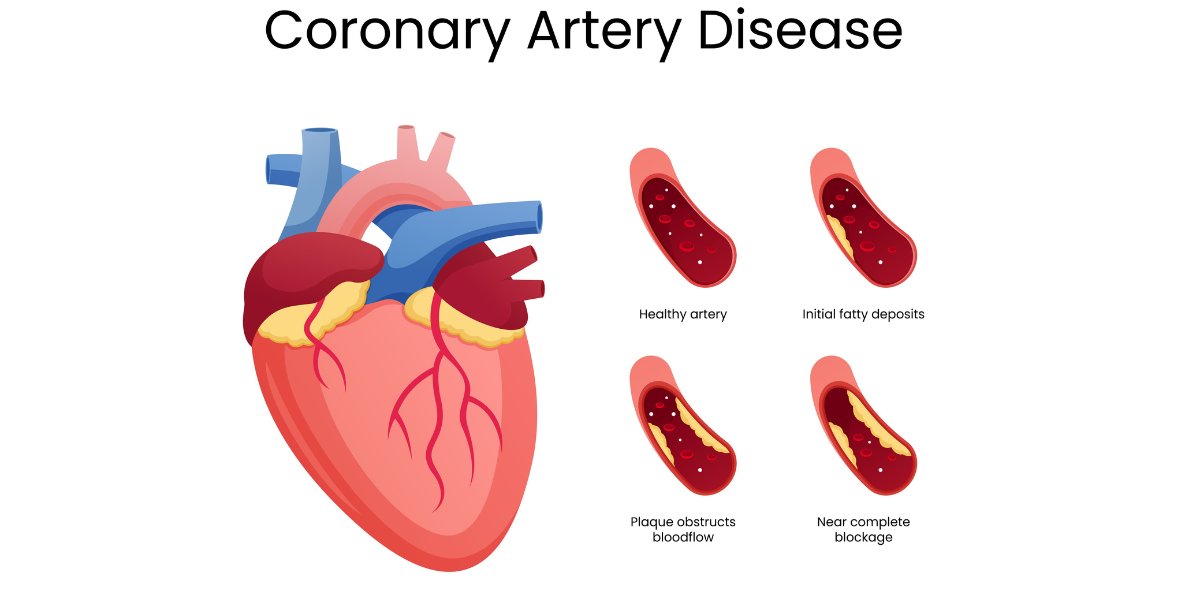
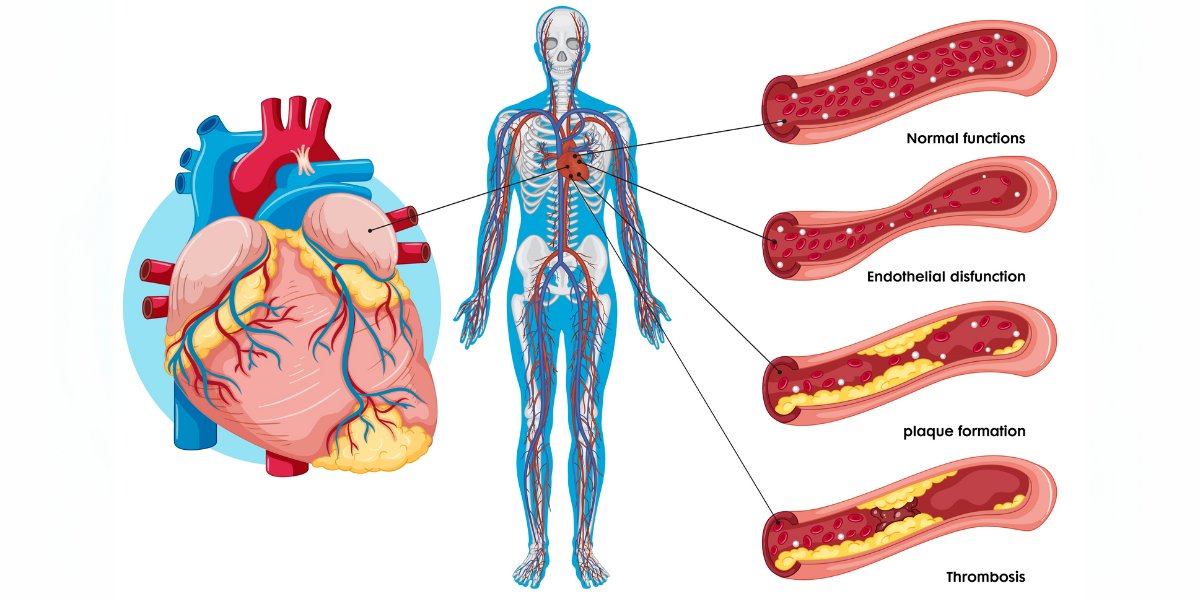
Heart problems can result in heart attacks and failure because they claim more lives than any other health condition. Clogging or narrowing of the heart’s arteries by plaque or fat usually causes CAD. Most of the time this condition called atherosclerosis builds up over a long period and is usually found only after a significant incident.
Reasons Behind CAD
CAD is largely caused by atherosclerosis. Some of the main factors that increase your risk are:
- High blood pressure
- High cholesterol
- Smoking
- Diabetes
- Obesity
- Sedentary lifestyle
- Unhealthy diet
- Presence of heart disease in the family
- As you become older, your risk of heart disease goes up.
Symptoms Of CAD
Although CAD might go dormant for some time, symptoms will appear when the arteries narrow. Common symptoms:
- A person having angina gets a squeezing pain in their chest, but the pain stops shortly after they rest.
- Exercising may make you feel short of breath.
- Being tired easily without having done anything strenuous.
- Chest pain, pain in your arm, neck, or jaw, discomfort, experiencing sweating, heartburn, nausea, or breathing problems signal a heart attack.
Diagnosing CAD
Based on the patient’s history, the following tests are suggested as mentioned below:
- An ECG lets the doctors track your heart’s electrical impulses.
- During a stress test, the person exercises to see how their heart functions.
- Doctors can view both the shape and movement of the heart thanks to ultrasound in an echocardiogram.
- With coronary angiography, special X-rays with dye take pictures of the heart arteries, checking for possible blockages.
- The CT coronary angiogram is employed to look at artery health non-invasively.
How Is CAD Usually Treated?
The main aim of treatment is to open up blocked blood vessels, reduce symptoms, and stop future issues. Options include :
- Making lifestyle improvements by eating well for your heart, working out regularly, quitting smoking, and keeping your weight under control.
- Many times, statins are prescribed to lower cholesterol, beta-blockers help lessen the heart’s work, antiplatelets stop clotting, and ACE inhibitors make blood pressure go down.
What Is Peripheral Artery Disease?
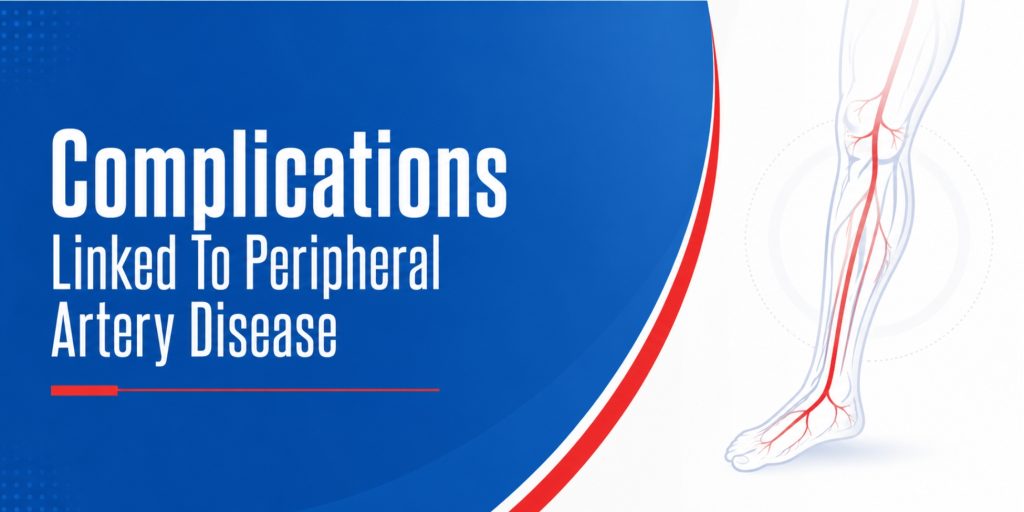
A lack of blood flow in the limbs due to blocked arteries is a serious issue for individuals with Peripheral Artery Disease (PAD). Just like Coronary Artery Disease (CAD), PAD results from atherosclerosis—only it affects arteries outside the heart. If left untreated, PAD can lead to pain, limited mobility, and in severe cases, limb loss. Fortunately, PAD is manageable with Proper PAD treatment options and such as lifestyle changes, medications, and minimally invasive procedures to restore proper circulation and improve quality of life.
Reasons Behind PAD
There are many PAD risk factors similar to CAD, but the most important one is smoking. The other risk factors are:
- High cholesterol
- High blood pressure
- Obesity
- Age (that is, over 50)
- Vascular problems in the family
PAD Symptoms
Since PAD often looks like typical aging or arthritis symptoms, many people misdiagnose it. The most common symptom is called claudication, which causes pain or discomfort in the legs as someone walks or exercises which stops when the person stops moving.
Additional symptoms are:
- Weakness or a tingling feeling in the legs
- Comparatively, there is more coldness in the lower leg or foot than in the other one
- Slow healing of sores or ulcers on the legs, feet, or toes
- Noticing discoloration on the skin of the legs or feet
- No or barely detectable pulse in the feet or legs
- Shiny appearance to the skin, slower hair growth, and thicker toenails
Diagnosing PAD
Diagnosing the disease early makes it much easier to prevent serious complications. Your doctor can use the following to help:
- With the Ankle-Brachial Index(ABI) the difference is taken in blood pressure at the ankle and arm and shows if any blockages are present.
- Doppler ultrasound helps experts monitor how blood is flowing through the peripheral arteries.
- Angiography is carried out to find where the arteries are blocked.
- Diagnostic blood tests for diabetes, cholesterol, and related risk factors.
How PAD Is Usually Treated?
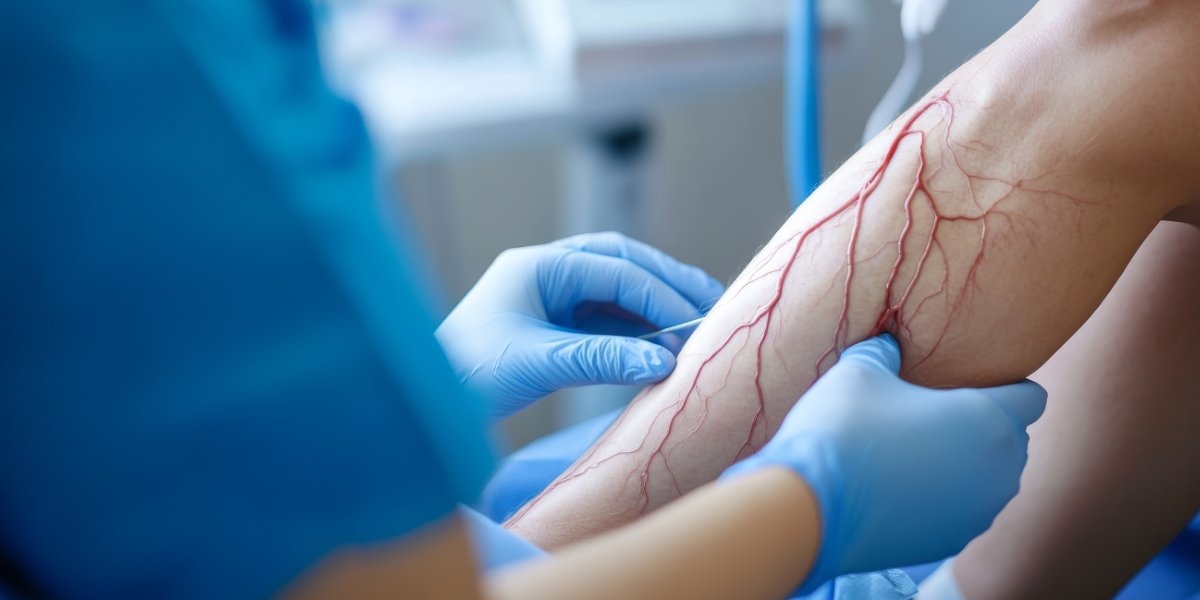
Doctors treat PAD with methods that help improve blood flow, ease symptoms, and lower the risk of related complications. Options include:
- Improve your lifestyle by quitting smoking, maintaining a balanced diet, walking each day, and losing some weight.
- Managing blood pressure and diabetes in addition to regularly giving statins, antiplatelet drugs (such as aspirin or clopidogrel), and cilostazol to assist with walking is significant for patients.
The PAD treatment cost depends on the type of treatment and the insurance associated with it. Changing your habits and taking medications is usually less expensive compared to angioplasty or surgical intervention. Comprehensive care plans from Advanced Medical Group aim to improve results and control expenses.
Look After Your Vascular Health Now For Better Health In The Future
Both CAD and PAD can be dealt with successfully. Recognizing what separates CAD from PAD and detecting the symptoms early allows you to keep up with your health. Whether you require help with the treatment or are interested in learning about PAD treatment costs, contacting specialists such as Advanced Medical Group will get you high-level medical care that is just right for you. Watch out for signs, remain cautious about your risk factors, and never take your body’s signs lightly—care for your heart and limbs! Taking care of your vascular system will help you live longer and healthier.