 Patient Login
 (201) 581-6100
Understanding The Risks Of Peripheral Artery Disease And Protect Your Health
Do you often feel pain or numbness in your limbs while walking but feel relieved when you get to rest? You could be at risk for peripheral artery disease (PAD). You must detect risk factors of peripheral artery disease early to prevent severe complications.
It is a common yet severe condition in which the arteries become blocked and narrowed due to the accumulation of fatty deposits (plaque). Because there is minimal blood circulation to the limbs, you may feel pain, cramps, and discomfort.
This article will help you better understand the conditions that may put you at risk of this disease and possible treatments.
Identifying Key Risk Factors of PAD
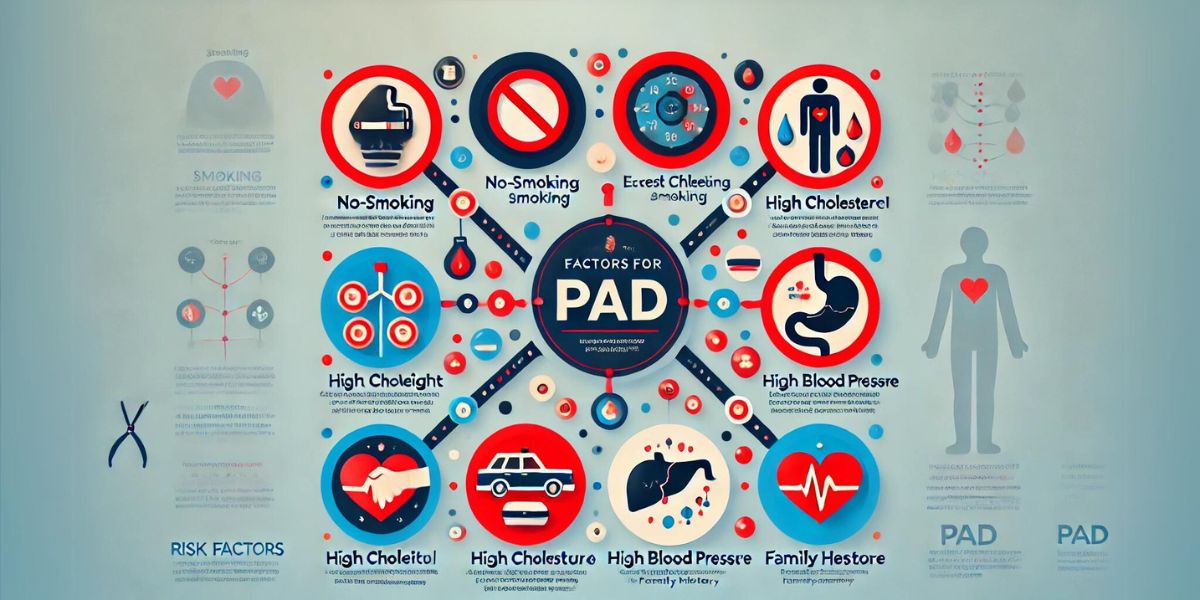
You can prevent this disease or (if you’ve already been diagnosed) learn how to manage it by identifying the risk factors of peripheral artery disease and ways to deal with them.
1. Diabetes
Increased blood sugar levels can accelerate the risk of fat deposits in your arteries. Uncontrolled sugar levels can damage nerves and vessels, causing poor blood circulation to your limbs.
There are higher chances that diabetic patients may suffer from this disease than other non-diabetic populations. The blockage caused by high blood sugar can hinder blood circulation and lead to problems like gangrene, ulcers, etc. It needs to be controlled with medications, proper diet, and regular exercise.
2. Hypertension
High blood pressure puts extra stress on your arteries, accumulating plaque. In the worst situation, it can damage your vessels. It can lead to severe diseases like cardiovascular diseases, PAD diseases, kidney problems, etc.
More than 140/90 blood pressure is considered hypertension, and it needs to be controlled to avoid severe health issues. You can manage your increasing blood pressure by taking medicines, eating the right food, and changing your lifestyle to minimize the PAD risk.
3. Tobacco Consumption
Nicotine is responsible for plaque buildup and blood vessel damage. Regular consumption of nicotine leads to atherosclerosis, respiratory issues, cardiovascular diseases, and much more. Due to the buildup of fatty deposits, blood flow in the arteries is reduced, which increases the risk of clot formation.
Along with living a healthy lifestyle, quit smoking and consumption of other tobacco products. Practice deep breathing exercises to improve your lung functioning and blood circulation. Prevent premature aging and the risk of PAD by avoiding tobacco consumption.
4. High Cholesterol
High cholesterol levels can also form plaque in your vessels and arteries. A lipid profile test can help you check your cholesterol levels and consult your doctor to manage the problem.
It is important to keep checking the cholesterol levels to prevent narrowing or blockage of arteries. Treat it on time to avoid limiting blood flow to your lower body. Limit your oil consumption, take your medicines regularly, and maintain a healthy lifestyle.
5. Obesity
If you have excess fat in your midsection, you may suffer from PAD shortly. Obese people are at higher risk of getting lifestyle disorders like high cholesterol, hypertension, and diabetes. Your BMI should be less than 30 to stay fit and active.
You can burn fat deposits around your arteries by altering your diet and lifestyle. Join any fitness program you enjoy regularly, such as gym, yoga classes, swimming, etc. Stay active and eat healthy to manage your weight scale and prevent suffering from PAD.
6. Genetics
Anyone with a family history of hypertension, heart disease, diabetes, or stroke has a higher chance of getting affected. You must be careful if such diseases run in your genes, as they can affect your health if you compromise your lifestyle.
Genetics can affect the body’s inflammatory response, which leads to chronic inflammation in the arteries. The majority of African Americans have such genes that predispose them to developing this disease. While controlling genetic disorders is impossible, managing your lifestyle can help in the prevention and management of PAD.
7. Poor Lifestyle
Due to a lack of physical activity, your chances of getting PAD can increase. You may notice some PAD symptoms, such as weakness, erectile dysfunction, change in skin color, fatigue, etc. Exercising regularly can maintain blood flow and minimize the chances of blockages.
Engage in regular walking, eat the right diet, and opt for a healthy lifestyle to avoid the risk of PAD. Sleep for at least 7 to 8 hours to improve your mood, and brain functioning, boost energy levels, and manage stress. With little changes in your lifestyle, you can live a better and healthy life.
8. Age Over 50
Arteries narrow naturally after you reach the age of 50. You may start experiencing fatigue, leg pain, weakness, etc. As you age, monitor your vascular health to avoid the risk of peripheral vascular disease.
Eat healthy and stay active to prevent vessel blockage and regulate blood circulation. As you age, you are more likely to develop health issues like hypertension, diabetes, etc. That’s why it is important to take care of your health as you age.
9. Postmenopause
In women, estrogen plays a crucial role in managing mood, hormones, and vessel widening. After menopause, estrogen levels fall drastically, which leads to the narrowing of arteries. It restricts the blood flow and puts them at a higher risk of heart disease. Women start gaining weight which leads to fat deposits on arteries, leading to PAD.
Due to hormonal imbalance, they also get affected by hypertension, insulin resistance, diabetes, etc. Compared to men, the chances of developing peripheral artery disease in women are quite low. Nonetheless, postmenopausal women also fall into the danger line. Again, lifestyle changes can help them prevent this disease.
Prevent Peripheral Vascular Disease With Proper Management
If you understand the risk factors of peripheral vascular disease, you know your next steps. Modify your lifestyle to deal with chronic conditions and prevent this disease. The PAD treatment cost in the advanced stages is quite expensive, including the diagnosis and surgeries. You can save costs and improve your health simply by managing your lifestyle.
If you are not ready to spend lakhs on your treatment, you should start investing in your health. Advanced Medical Group (AMG) can help diagnose your health and guide you toward a healthier lifestyle.
After all, prevention is more effective than any treatment—so stick to it!