 Patient Login
 (201) 581-6100
The Connection Between Stress And Peripheral Artery Disease
Peripheral Artery Disease (PAD) is described as a common condition as it affects over 200 million people globally. However, despite being referred to as a prevalent condition, it negatively impacts every aspect of a patient’s life. Even basic activities like walking and working out may become challenging for PAD patients.
Apart from the main causes of PAD, such as smoking and obesity, stress is one of the most significant factors that affect PAD severely. Stress leads to unhealthy lifestyle habits that may worsen the symptoms of PAD. Therefore, it is crucial to understand how does stress affects peripheral artery disease.
If patients fail to manage stress effectively and promptly, PAD can cause severe complications. Therefore, managing stress becomes a critical aspect for PAD patients. To understand how to manage stress, you must understand the link between stress and how it affects PAD.
In this article, we will discuss how stress can negatively impact PAD and what steps you can take to manage stress. These recommendations with proper PAD treatment will help the patients regain control of their health and quality of life.
How Does Stress Impact Peripheral Artery Disease?
Stress can exacerbate PAD in several ways, including
Vasoconstriction
When PAD patients undergo stress, the body releases hormones, including adrenaline and cortisol. These hormones initiate vasoconstriction. It narrows the arteries and restricts blood flow.
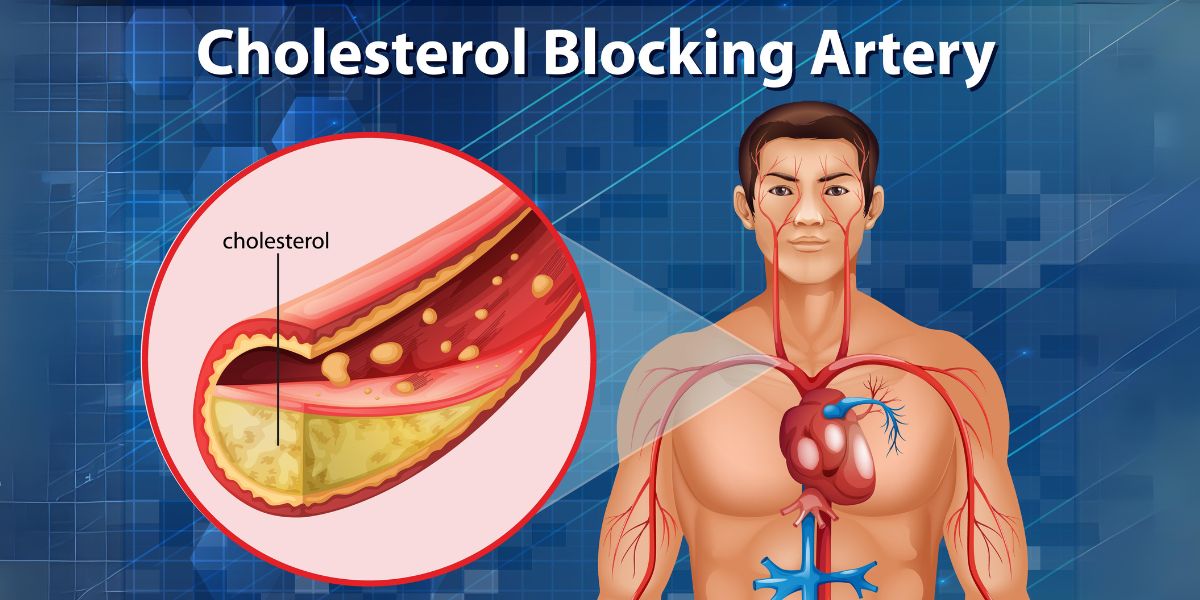
Further, stress increases the amount of inflammatory markers in the blood such as C-reactive protein (CRP) and interleukin-6 (IL-6). These markers show inflammation in the body and the arteries. Persistent inflammation can harm the arterial walls and make them more prone to plaque buildup. Additionally, the inflammation induced by stress can cause increased plaque buildup. This plaque contains fat, cholesterol, and other substances. These compounds harden and constrict the arteries. Gradually, this can considerably reduce blood flow to the arms and legs. This will result in issues like pain, cramping, fatigue in the legs, etc.
Behavioral Changes
Stress often triggers unhealthy and harmful habits like smoking, poor diet, lack of physical activity, etc. These are the key risk factors for PAD. They result in further exacerbation of the disease.
Anxiety And Depression
Anxiety and depression can further progress the severity of PAD. Depression with stress can lead to depleting energy and concentration in patients, making it hard to manage PAD. Further, with depression, patients can find it challenging to follow a routine, which includes exercise, good sleep, and a healthy and balanced diet, all of which can worsen PAD.
Stress Leads To Poor Circulation
Extensive stress can constrict blood vessels, impacting circulation. This can be discomforting for PAD patients. Slow Wound Healing Stress causes poor circulation, which can reduce the blood oxygen supply to tissues. It can also reduce the time it takes for a wound to heal, leading to a higher risk of infections in patients undergoing peripheral artery disease treatment.
Increased Cholesterol Levels
Stress increases cholesterol production, elevating plaque buildup in the arteries, causing more severity in PAD patients.
Impact Of Stress On Blood Pressure
Stress directly impacts blood pressure, which is a critical factor in PAD.
Hormonal response: When under stress, the body releases hormones like cortisol and adrenaline. These hormones raise heart rate and constrict arteries, leading to higher blood pressure.
Chronic hypertension: Chronic stress can result in sustained high blood pressure. This damages the arteries over time and leads to the development of atherosclerosis, a condition in which plaque builds up in the arteries and narrows them, further increasing the risk of PAD.
How Stress Affects Artery Health?
There is a clear link between stress and increased risk of PAD. PAD patients who experience stress become vulnerable to further complications, for instance:
Increased hospitalization: patients going through high-stress levels, mainly work-related stress, are more likely to be hospitalized for PAD compared to those with lower stress levels.
Risk factor amplification: Stress can also amplify other risks of PAD, including hypertension, diabetes, high cholesterol, etc. This occurs because stress causes poor lifestyle choices and physiological changes that worsen these conditions.
How Can PAD Patients Manage Stress?
Stress management is crucial to reduce the risk and impact of PAD. It is advised to follow these tips to control your stress effectively:
1. Exercise Consistently
When you do physical activity, the body produces endorphins. These are natural mood lifters. Thus, physical activity helps you improve overall cardiovascular health. Also, it helps you to maintain a healthy weight and control blood pressure.
2. Stick To A Healthy Diet
Following the best diet for PAD and eating nutritious meals promotes a healthy lifestyle and good health. When you eat well, you naturally feel good, So include fresh fruits, leafy vegetables, whole grains, and healthy proteins in your diet. Healthy eating habits reduce stress levels.

3. Practice Mindfulness Techniques
Engage yourself in yoga, mindfulness meditation, and breathing exercises. These techniques can greatly help you cope with stress and improve emotional wellness. They also help you relax emotionally, which ultimately helps control blood pressure and reduce inflammation.
4. Seek Assistance
Getting support from healthcare specialists, like counselors or therapists, can offer plans and resources to handle stress properly. Cognitive-behavioral therapy (CBT) and other stress relief methods can be beneficial. You can also create a strong support community of family and friends. It can help you reduce stress. Social interactions may give emotional assistance and reduce a sense of isolation and anxiety.
Taking Charge Of PAD By Reducing Stress
Once the patients understand the profound impact of stress on peripheral artery disease, it becomes easier to manage the condition effectively. The body’s reaction to stress intensifies the effects of PAD. Controlling stress by adopting lifestyle changes, including routine workouts, healthy eating habits, and meditation, will be beneficial. When needed, you can contact an Advanced Medical Group for assistance. They will assist you in better managing the condition and suggest tips for effective stress management. By dealing with stress, patients can strengthen their cardiovascular health and lower the chances of more serious complications.