 Patient Login
 (201) 581-6100
Medication-Based Treatment For Peripheral Artery Disease
Peripheral Artery Disease, or PAD, can often lower the quality of life by causing pain and limiting movement. This problem, caused by the narrowing of blood vessels due to fat build-up within them, can, however, be managed easily with a few lifestyle changes.
It is also important to supplement healthy living with meds for peripheral artery disease, as when left unchecked, PAD can lead to fatal conditions such as heart attack and stroke. These medications are often targeted at treating the associated risk factors or as preventive measures to avoid exaggerating the condition.
Once your medical practitioner diagnoses the condition, they may recommend different meds for PAD. Find the different types of medicines for PAD and their purpose below.
Treating Peripheral Artery Disease
PAD is caused by atherosclerosis, which is a buildup of fat cells inside the blood vessels. This restricts or reduces blood flow in the body, especially affecting your hands and legs.
Due to a lack of oxygen and nutrients, it is common for people with PAD to experience constant pain in their legs, which worsens on walking. A few other common PAD symptoms include spots on the skin, non-healing sores, and a high risk of infection.
Moreover, as mentioned above, if PAD is left unchecked, the fat deposit may widen, thus blocking a blood vessel completely, which can lead to a heart attack or stroke. Therefore, seeking immediate treatment for PAD is essential.
PAD treatment commonly involves better lifestyle habits, medicines, and physical therapy. In extreme cases, you might have to undergo surgeries. The lifestyle habits and physical therapy are aimed at maintaining weight and improving the pain level.
A few lifestyle recommendations that should accompany your medicines for PAD include:
- Consuming a balanced diet
- Maintaining a healthy weight
- Taking proper care of the feet
- Walking and exercising
- Stress management
The assisted physical therapy, on the other hand, can help restore a better life quality by improving endurance and reducing the pain.
Medicines For Peripheral Artery Disease
Medicine-based treatment for PAD involves an extensive routine based on the patient’s pre-existing medical conditions and the progress of the disease. Once you visit your medical practitioner, they will perform a complete physical exam to assess the situation.
In addition, they will consider your medical history to assess any existing medical problems, such as diabetes, high cholesterol, and high blood pressure. You may also have to undergo a few tests, including blood tests and angiography.
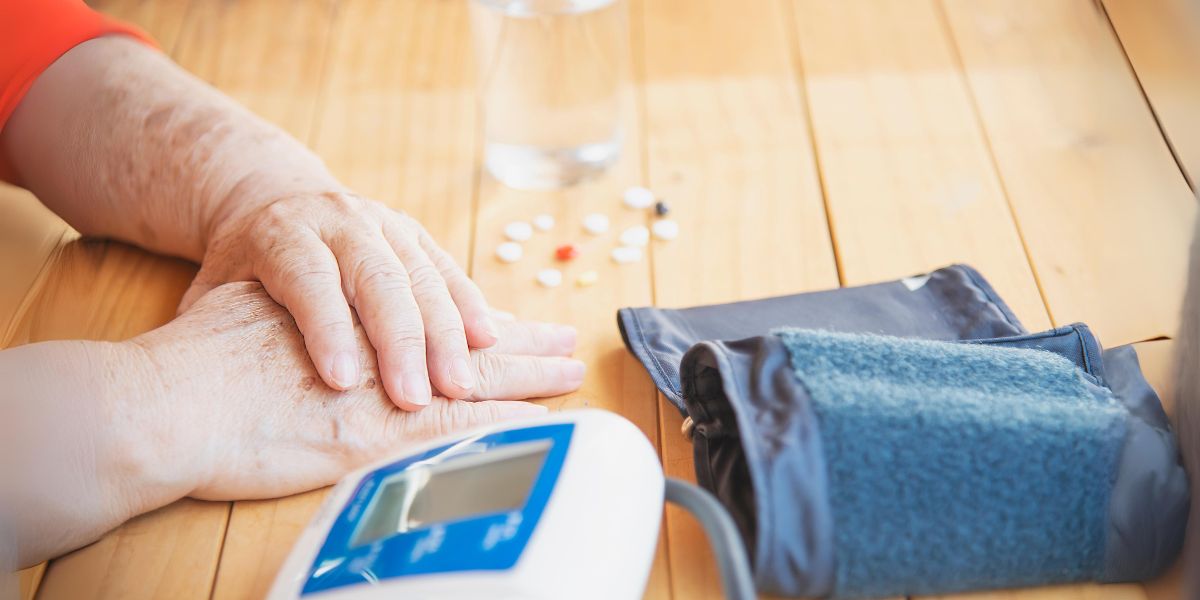
Based on your condition, your doctor will devise a medication plan, which will include drugs for treating your medical condition, prevention of blood clots, and pain management. The most commonly used medicines include
1. Statins
These medications are prescribed to those with a high blood cholesterol level. By helping lower cholesterol and fats in the blood, statins can help prevent or slow down plaque build in the blood vessels, thus relieving the symptoms of PAD.
In addition, statins help lower the risk of complications like heart attack and stroke. Statins work by reducing the liver’s production of LDL. Common names include atorvastatin and simvastatin.
Some people may experience side effects such as headache, nausea, and muscle aches on the consumption of statins.
2. Blood Pressure Medicines
High blood pressure is detrimental for PAD patients, as it can make the arteries stiff and hard, therefore further reducing the flow of blood. If you are a high blood pressure patient, your doctor may suggest blood pressure medicines such as angiotensin II receptor blockers or ACE inhibitors.
A few common side effects of ACE inhibitors include dizziness, headache, and weakness. However, these side effects commonly pass in a few days.
3. Diabetes Medicine
Diabetes is a common risk factor for PAD. After assessing your blood sugar levels, your doctor may put you on a regimen of medication to help maintain your sugar levels. These include alpha-glucosidase inhibitors and meglitinides.
In a more severe case, you may have to administer insulin injections for quick and effective results.
4. Pain Medicine
If you have extreme leg pain associated with PAD, you may ask your doctor for pain medication. The most commonly used pain medicine for PAD is cilostazol, which helps increase blood flow to the area. You may also be recommended pentoxifylline.
5. Antiplatelet Medicines
A high-risk factor associated with PAD is the chance of a piece of fatty deposit or plaque breaking from the artery wall, causing a blood clot that can lead to a heart attack if it affects the coronary artery.
On the other hand, if the clot forms in a blood vessel going to the brain, it can lead to a stroke. Therefore, PAD treatment often involves antiplatelet medications that play a vital role in preventing complications such as heart attack and stroke by reducing the chances of a blood clot.

In addition, they help prevent further narrowing of the arteries. A commonly prescribed antiplatelet medication is clopidogrel.
You may also be recommended an anticoagulant medication or a blood thinner, such as warfarin, to help prevent blood clots as a part of your meds for peripheral vascular disease.
PAD presents with a range of symptoms that can make it difficult to perform everyday tasks. Therefore, it is vital to reach out to your medical practitioner timely, enabling them to diagnose the problem and its source and prescribe medications for the same.
In addition, it is also important to follow the proper medication regimen and keep your follow-up visits, allowing your doctor to adjust the medications or dosage according to your progress.
Consulting PAD Doctors For Medications
As mentioned above, it is vital to seek timely treatment for PAD. Consulting a practitioner who specializes in PAD treatment can be beneficial, as they can help you manage the disease and associated risk factors as well. At Advanced Medical Group, we have a team of experts who provide complete diagnosis, treatment, and medication plans with their years of experience, helping you manage the condition effectively and efficiently, all at a low PAD treatment cost. Contact us today to book your appointment.