 Patient Login
 (201) 581-6100
Understanding The Costs Of Peripheral Artery Disease Treatments In 2025
Peripheral Arterial Disease, commonly known as PAD, is a common problem, often affecting people aged 40 and above. Peripheral Artery Disease is caused by a plaque buildup that affects the blood flow in the peripheral arteries.
Due to the narrowing down of the vessels, the flow of blood to different parts of the body, especially the legs, is reduced, resulting in symptoms like muscle pain and weakness. Moreover, atherosclerosis-caused PAD puts you at a higher risk of a stroke or heart attack.
Therefore, it is vital to identify peripheral artery disease early on and get it treated in a timely manner. The treatment for PAD depends on the severity and differs with each case. Read on to find the answers to questions like what it is and how much does PAD treatment cost?
How Much Does PAD Diagnosis Cost?
Early diagnosis of PAD is vital to prevent further complications. You must visit a doctor if you notice any symptoms like weakness or pain in the legs, shiny skin, or reduced hair growth in your limbs. In addition, you must consult your doctor if you have any of the risk factors mentioned above.
A healthcare professional will diagnose PAD by examining your legs and running common tests like ankle-brachial index, blood tests, CT scans, and Ultrasound imaging. For more severe cases, the doctor may ask for an angiography. These tests can cost around $1000-$3000.
| Treatment | Cost (USD) |
|---|---|
| Assisted Exercise Therapy | $2000-$5000 |
| Peripheral Angioplasty | $10,000-$40,000 |
| Balloon Angioplasty | $10,000-$30,000 |
| Atherectomy | $15,000-$35,000 |
| Bypass Surgery | $30,000-$60,000 |
| Antihypertensives | $200-$1000 annually |
| Antiplatelet medications | $100-$500 annually |
| Statins | $300-$1200 annually |
Peripheral Artery Disease Treatments And Their Costs
The treatment for peripheral artery disease generally begins with a few lifestyle changes, which are essential to help prevent the condition from worsening. However, further treatment for peripheral artery disease differs depending on the severity of the problem and an individual’s medical history. These include medications, exercise therapy, and surgical treatments.
Following are the common methods used for PAD and the average PAD treatment cost for each:
Lifestyle Changes
The first step to treating PAD is to make some lifestyle changes to reduce or prevent further blockage in the arteries. These include:
- Smoking cessation
- Eating a balanced diet to prevent fat buildup in the arteries
- Regular exercise to maintain cholesterol levels and improve blood flow
- Stress management
These simple lifestyle changes do not put any load on the pocket and are highly effective in the prevention and improvement of PAD symptoms. The only cost involved in making lifestyle changes would include consulting a dietician.
Medications
If you have risk factors and disorders commonly associated with peripheral artery disease, your doctor will suggest medications for their management. This includes antihypertensive medications for managing blood pressure, statin medications for high cholesterol, and insulin for diabetes.
Moreover, by treating the risk factors of PAD, these medications also help reduce the risk of heart attack and stroke. In addition to medications used for managing the risk factors, the doctor may prescribe aspirin or clopidogrel as an antiplatelet medication to help prevent blood clots associated with PAD, which are the common cause of a stroke.
This peripheral artery disease treatment prices can vary anywhere between $300-$1000 on average per year, depending on the medications.
Exercise Therapy
If you have pain or numbness in the legs, your doctor may suggest a supervised exercise program. These structured programs generally involve treadmill walking and stretching exercises to help improve the pain and enable you to walk further.
The cost of this treatment can range between $50 and $150 per session, and it requires multiple sessions over several months.
Minimally Invasive Surgical Treatments
If your PAD is severe and doesn’t improve with medications or exercise therapy, you may need to undergo minimally invasive procedures such as angioplasty, stenting, and atherectomy to help restore the blood flow.
Angioplasty and stenting are often performed together to help open the arteries and place a stent to help them remain open in the future. This surgery can cost between $10,000 and $40,000.
Atherectomy, on the other hand, involves removing plaque buildup with the help of a catheter, and this peripheral artery disease treatment costs $15,000 on average.
Surgery
The last treatment resort used in most severe cases is the highest-cost treatment for PAD. This could refer to bypass surgery, where the doctor may have to reroute blood flow if the arteries are completely blocked. This can cost anywhere between $30,000 to $60,000.
Factors Influencing Peripheral Artery Disease Treatments Cost
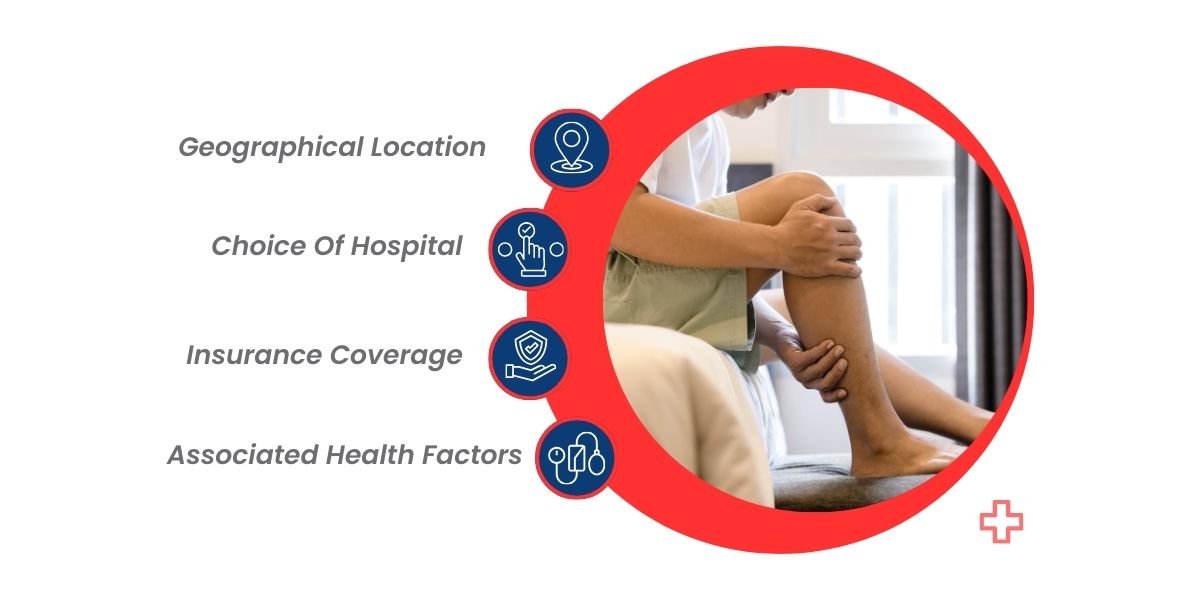
While the above table gives you an average of the different peripheral artery disease treatments prices, it is important to remember that these can vary with factors such as:
Geographical Location
The cost of the treatment can vary according to the area you live in. While urban areas with a high living cost may charge more, those in rural areas may have to pay less for the same treatment.
Choice Of Hospital Or Clinic
Different peripheral artery disease treatments cost will also vary with the facility you get treated in. For example, a specialised cardiovascular centre may charge more in comparison to a general clinic.
Insurance Coverage
The amount you pay out-of-pocket for your PAD treatment, from diagnosis to post-op care also depends on the insurance coverage you have.
Associated Health Factors
It is also important to remember that associated health factors can complicate your PAD and its treatment, leading to higher treatment prices than usual
Choose The Right Pad Treatment For Improved Health
Peripheral Artery Disease can be easily prevented and stopped from getting worse with a few lifestyle changes. However, it is essential to consult a doctor for the diagnosis and treatment early on, as severe PAD can lead to a risk of life-threatening conditions like heart attack and stroke. Advanced Medical Group has a PAD treatment specialist on board who can help you diagnose, treat, and manage PAD efficiently.