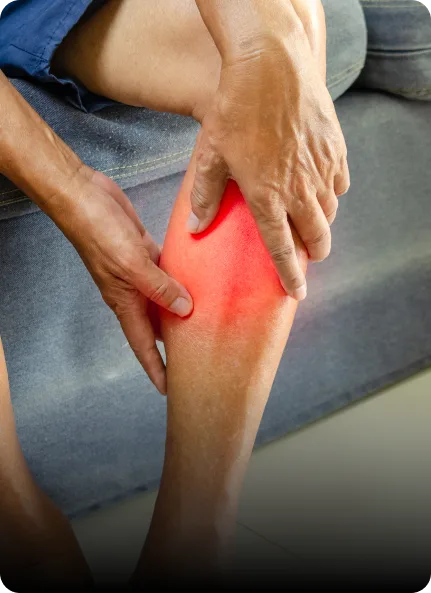
Leg Swelling Treatment In New Jersey
All About The Leg Swelling Treatment
Leg swelling refers to the abnormal accumulation of fluid in the tissues of the legs, leading to their enlargement and discomfort.
Leg swelling can be attributed to a range of vein-related ailments. This even includes distinctive conditions like chronic venous insufficiency, prominent varicose veins, acute DVT, or primary lymphedema.
Alongside leg swelling, individuals may experience pain, aching, heaviness, fatigue, cramping, itching, and skin changes like discoloration or ulcers.
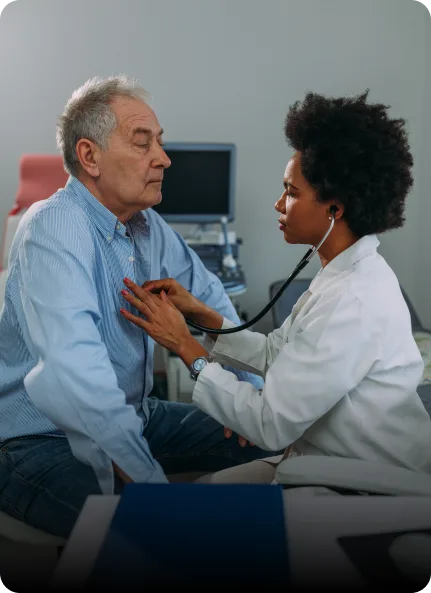
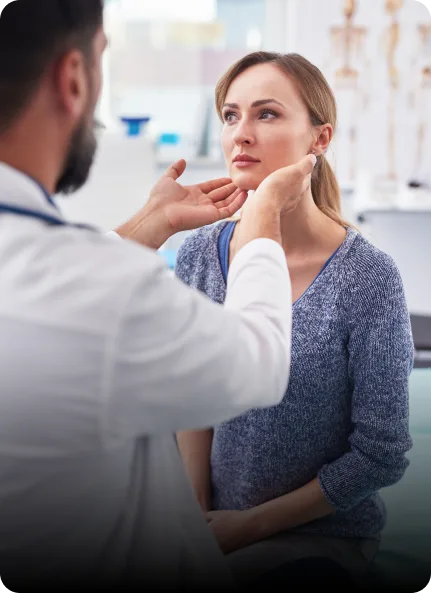
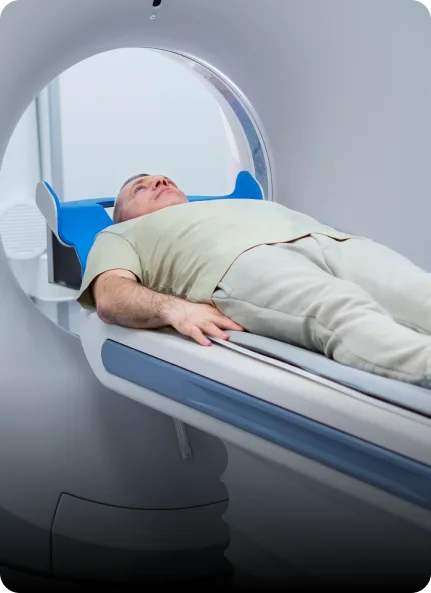
Diagnosis typically involves a physical examination, medical history review, and diagnostic tests such as ultrasound, venous Doppler, or venography to assess blood flow and identify any underlying vein disorders. Contact our specialists to know more about the leg swelling treatment cost and free insurance verifications!
Treatment may involve lifestyle modifications (elevating legs, exercising), compression therapy (wearing compression stockings), medications (diuretics, blood thinners), minimally invasive procedures (sclerotherapy, endovenous ablation), or surgical intervention (vein stripping, ligation) based on the specific condition and its severity.
Reputed Leg Swelling Treatment In New Jersey
Compression Therapy
Compression therapy involves wearing specially designed compression stockings or bandages that apply pressure to the legs, promoting better blood flow and reducing leg swelling. These garments are available in different strengths and lengths, and the choice depends on the severity of the swelling.
Medications
Depending on the underlying cause of leg swelling, various medications can be prescribed. Diuretics help to eliminate excess fluid from the body, while anticoagulants (blood thinners) may be used to treat leg swelling resulting from deep vein thrombosis (DVT).
Minimally Invasive Procedures
Minimally invasive procedures, such as sclerotherapy and endovenous ablation, are used to treat underlying vein conditions contributing to leg swelling. This treatment involves injecting solutions into the affected veins. As a result, they shrink and eventually fade. Endovenous ablation uses heat or laser energy to close off problematic veins, redirecting blood flow to healthier veins.
Surgical Interventions
In severe cases or when conservative treatments fail, surgical interventions like vein stripping or ligation may be recommended. Vein stripping involves removing the problematic veins through small incisions, while ligation involves tying off or closing the affected veins to redirect blood flow.
Lifestyle Modifications
Certain lifestyle changes can help alleviate leg swelling. These include elevating the legs above heart level, regular exercise to improve circulation, maintaining a healthy weight, avoiding prolonged sitting or standing, and wearing loose-fitting clothing.
Physical Therapy
Physical therapy techniques, such as manual lymphatic drainage, can be employed to manage leg swelling caused by lymphedema. This specialized massage technique helps stimulate lymphatic flow, reducing swelling and promoting better fluid drainage.
Reveal Solutions To Tackle Leg Swelling FAQs
The time for results varies depending on the underlying cause and the treatment chosen.
While certain procedures like compression therapy might help you with immediate relief, you might also require surgical intervention if need be. This might take a little longer road to recovery.
Some treatments may have potential side effects. For example, compression therapy can sometimes cause skin irritation or discomfort. Minimally invasive procedures and surgical interventions carry risks such as infection, bruising, or scarring. Engaging in a conversation with your healthcare provider regarding possible adverse reactions is of utmost importance.
Mild cases of leg swelling can often be managed at home through elevation, regular exercise, and wearing compression stockings. However, seek your certified vein treatment specialist and leg swelling doctors in NJ for appropriate treatment if you feel any progression in the swelling accompanied by pain.
Common side effects of spider vein treIn some cases, losing weight can help reduce leg swelling, particularly if the swelling is related to obesity or excess fluid retention. A balanced diet with a healthy caloric deficit can have a positive impact on your overall circulation levels and fluid balance. Contact our leg swelling doctor to know more.atments may include temporary skin discoloration, bruising, swelling, or mild discomfort at the treatment site. Serious complications are rare. But sometimes it can include infection, blood clots, or allergic reactions. Consult with our industry-renowned healthcare practitioners at Advanced Medical Group!
Well, this depends on the underlying cause. In some cases, such as venous insufficiency or varicose veins, management, and treatment can significantly reduce swelling. On the same note, conditions like lymphedema may require ongoing treatment procedures and sufficient lifestyle modifications for effectively managing your swelling.
Transform Your Leg Health With A Single Click 
Top Specialist of Advanced Medical Group
Dive Into The Inspiring Journeys Of Our Patients!
Our commitment to modern vein treatment solutions lies in a fusion of groundbreaking technology and advanced techniques. This winning combination ensures not only remarkable results but also an unparalleled experience for our esteemed patients offering comprehensive care and unwavering compassion at every turn.
World-class Leg Swelling Clinic In New Jersey
Our team takes the time to understand your unique needs and concerns, tailoring our treatment approach to address them effectively. We sincerely care about your well-being and quick recovery. And hence, our vein doctors take a keen interest in your case till you’re back on your feet with your health restored.