Patient Login
 (201) 581-6100
Cramping calves while walking?
Pain after a city block that eases when you stop — the most common early sign of PAD.
 Specialty
Vein & Vascular
Specialty
Vein & Vascular
Board-certified vascular care for peripheral artery disease — minimally invasive whenever possible, with a clear plan to relieve symptoms, slow progression, and protect your legs.
 Watch: About PAD Treatment
Catch trouble early — long before the warning becomes an emergency.
Book a ConsultingPeripheral artery disease narrows the vessels that feed the legs, so the muscles ache after a short walk and small wounds heal slowly. Our program treats the artery and the person — a structured walking plan, the right medication, and a minimally invasive procedure only when it will change your day-to-day. Same-day testing, same-week visits, one vascular specialist who stays with you from baseline to follow-up.
A short self-check. If any of these sound like you, a 30-minute screening visit is one of the highest-yield steps you can take.
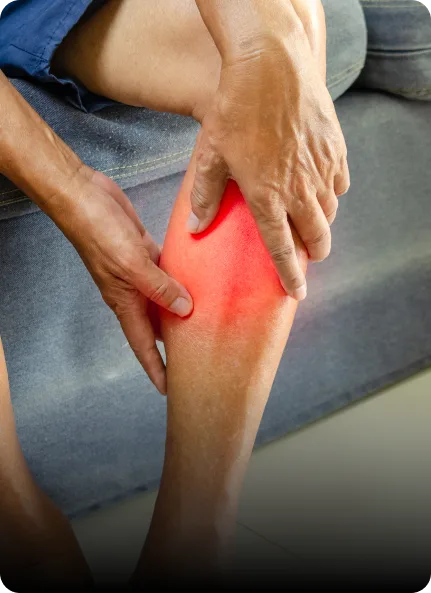
Pain after a city block that eases when you stop — the most common early sign of PAD.
A persistent temperature difference between feet often signals reduced blood flow on the colder side.
Slow-healing wounds on the toes, feet or lower legs can mean the tissue is not getting enough blood.
A heavy, weak or numb feeling below the knee, especially with reduced sensation in the foot.
Color or texture changes on the legs and feet — especially after rest — can indicate poor circulation.
Thinning hair on the lower legs or slow-growing toenails are subtle but reliable PAD clues.
Any of these sound familiar?
Book a Screening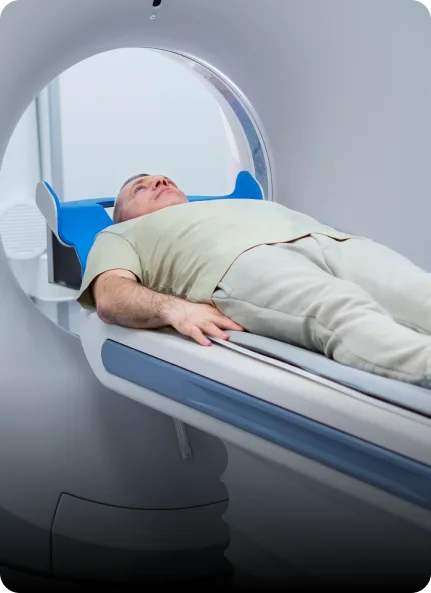



A small, senior team — board-certified vascular, cardiology, podiatry and endocrinology — sharing one chart and one plan.
 Dr. Merwin Richard, MDInterventional Cardiologist
 Dr. Bakul Desai, MDBoard-Certified Cardiologist
 Margaret M. Ciechanowska, MDEndocrinologist
 Dr. Maher BadriInternal Medicine
 Christopher Samaniego, DPMPodiatrist
Our highly skilled doctors work together with modern medical technologies to help you recover faster, restore mobility, and live a healthier, pain-free life.
 A specialist dedicated to your vascular health
 Early detection. Life-changing outcomes.
 Five locations—book near you, seen by experts
 Five specialties—one coordinated care team
 Minimally invasive. No overnight stay.
 The only in-office OBL in Hudson County
A 30-minute vascular evaluation gives you a clear baseline and a plan — covered by Medicare and most commercial plans.
Short, plain-language answers. Bring more — we will go through them at your visit.
Three things in this order: relieve symptoms (especially claudication), slow disease progression, and prevent serious complications like amputation or a cardiac event. The exact mix of therapies is tailored to how advanced the disease is and to your overall health.
Often, no. Most patients start with a structured walking program, smoking cessation support, and targeted medications. A minimally invasive procedure is added when symptoms limit your life or imaging shows a critical lesion.
It depends on the lesion: length, calcification, and location. Short, soft lesions respond well to angioplasty ± stenting. Heavily calcified vessels often need atherectomy first. Long, complex blockages may need a surgical bypass.
Most patients go home the same day and resume light activity within 24–48 hours. Full return to walking is usually within a week, with clear lifting and driving guidance before you leave.
Most PAD evaluations and procedures are covered by Medicare and major commercial plans when medically indicated. Our team verifies your benefits before any visit and explains any out-of-pocket cost in plain language.