
 Patient Login
 (201) 581-6100
Genicular Artery Embolization (GAE)
A minimally invasive procedure that reduces chronic knee pain by targeting the abnormal blood vessels causing inflammation.
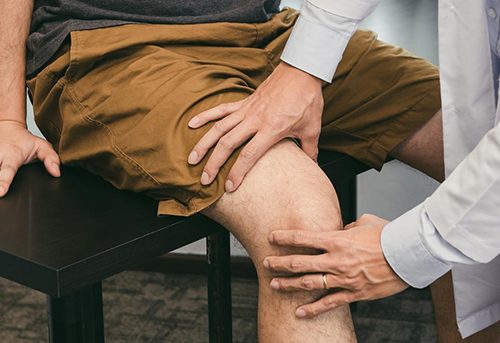
What it is
Genicular Artery Embolization (GAE) is an innovative, minimally invasive procedure that relieves chronic knee pain caused by osteoarthritis. A thin catheter is gently guided into the small arteries around the knee, and tiny medical particles are injected to reduce blood flow to the inflamed areas generating pain. By blocking these abnormal vessels, GAE decreases pain signals without harming surrounding healthy tissue.
Why consider GAE? For many patients the only long-term option used to be knee replacement surgery, while pain medication, injections and therapy often give only short-term relief. GAE offers an option for people who cannot have, or prefer to avoid, surgery.
Ideal candidates have moderate to severe knee osteoarthritis, are not ready or suitable for surgery, and have seen little improvement from medication, injections or physical therapy.
Frequently asked questions
Is GAE safe?
Yes — it is minimally invasive with a low risk of complications.
How effective is it?
Research shows roughly 70% of people who have GAE get lasting pain relief, with results typically lasting up to three years and some studies suggesting longer.
How long does it take, and what is recovery like?
The procedure usually takes one to two hours. Most patients go home the same day and return to normal activities within one to two days, with pain relief often beginning within weeks.
Is GAE covered by insurance?
Coverage varies by plan. Our team can help check your benefits before treatment.
Our treatment approach
A small amount of local anaesthetic is applied at the insertion site for comfort.
A tiny catheter is gently guided to the blood vessels around the knee using imaging.
Microscopic beads block the abnormal vessels driving inflammation and pain.
The catheter is removed and a small bandage applied; most patients go home the same day.
Meet our specialists
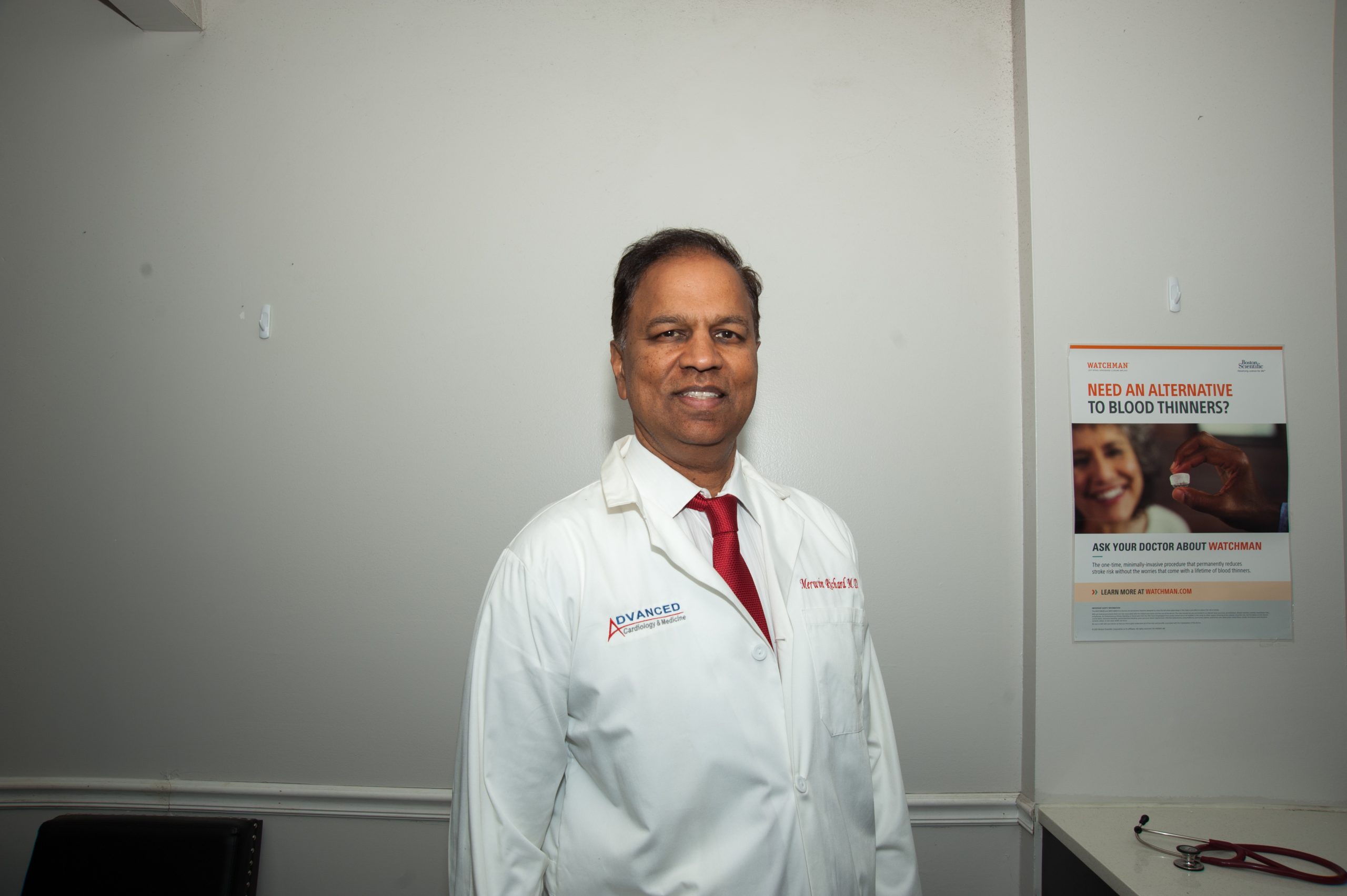 Dr. Merwin Richard, MD
Interventional Cardiologist CardioVascular / EndoVascular Specialist · Director
Dr. Merwin Richard, MD
Interventional Cardiologist CardioVascular / EndoVascular Specialist · Director
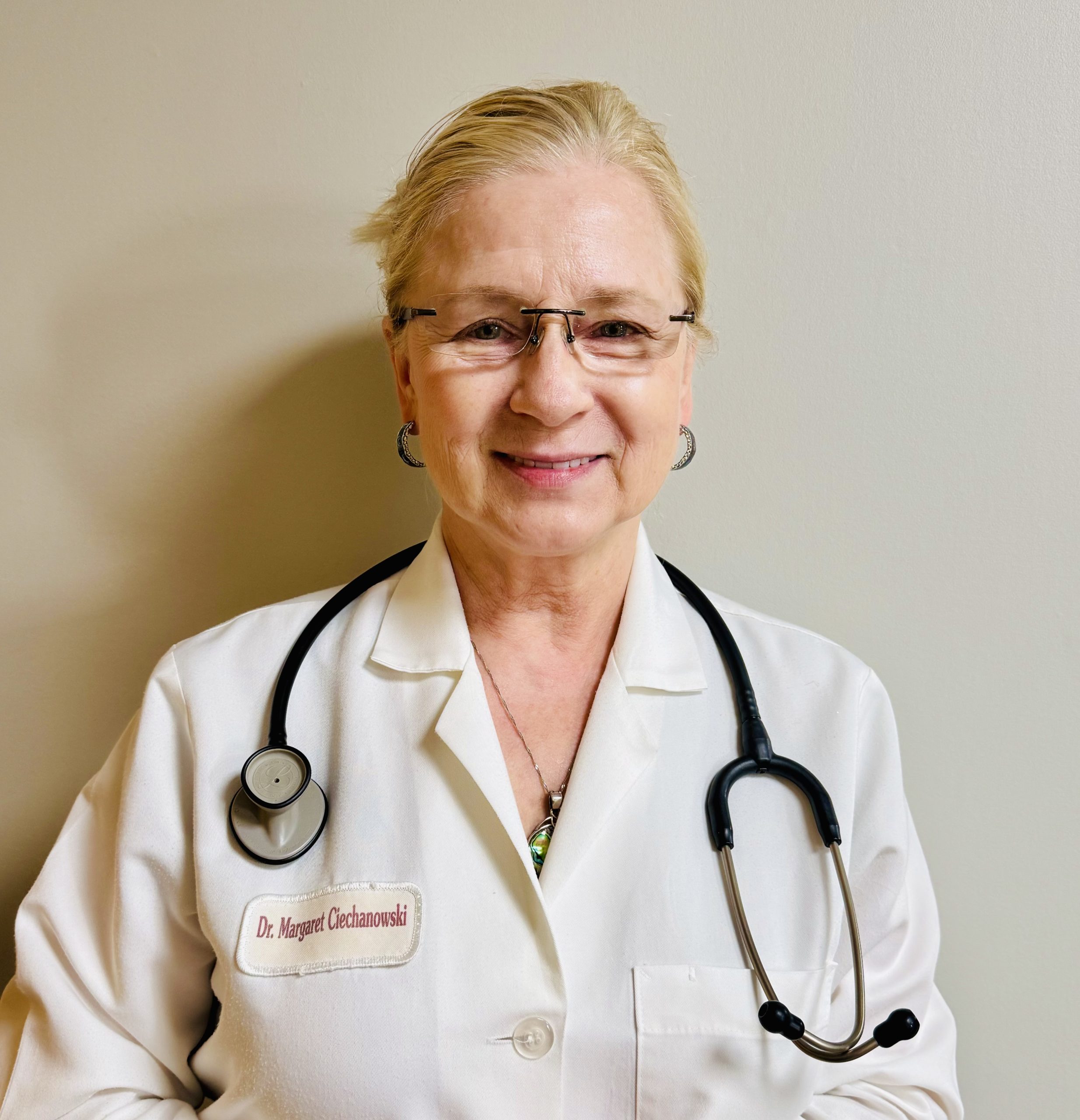 Margaret M. Ciechanowska, MD
Endocrinologist 35 years' experience · English & Polish
Margaret M. Ciechanowska, MD
Endocrinologist 35 years' experience · English & Polish
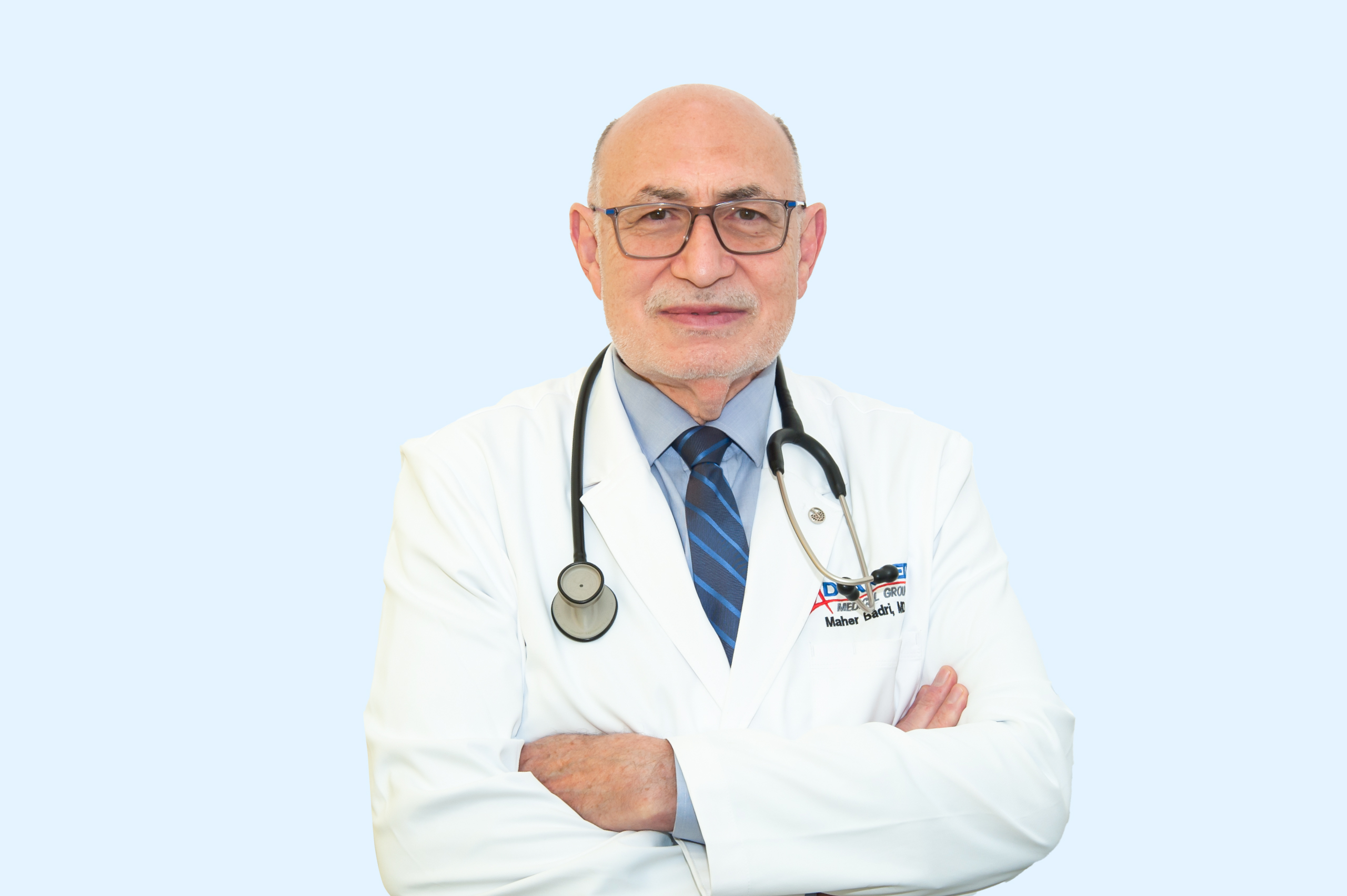 Dr. Maher Badri
Internal Medicine Diabetic & Addiction Medicine · Geriatric Care
Dr. Maher Badri
Internal Medicine Diabetic & Addiction Medicine · Geriatric Care
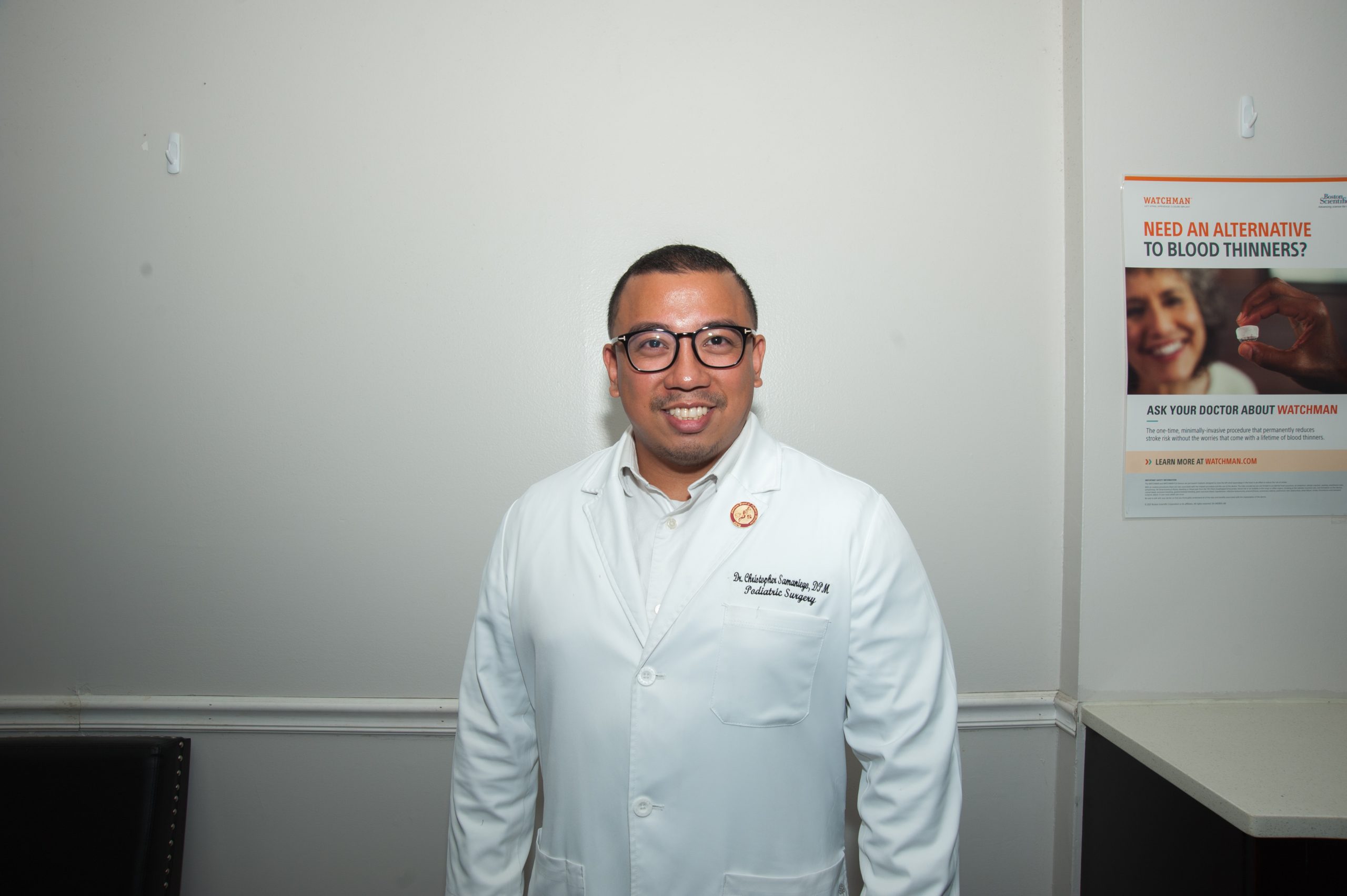 Christopher Samaniego, DPM
Podiatrist American Board of Foot & Ankle Surgery
Christopher Samaniego, DPM
Podiatrist American Board of Foot & Ankle Surgery
 Amari M. White, DPM
Podiatric Surgeon (Foot & Ankle) FACFAS · American Board of Foot & Ankle Surgery
Amari M. White, DPM
Podiatric Surgeon (Foot & Ankle) FACFAS · American Board of Foot & Ankle Surgery
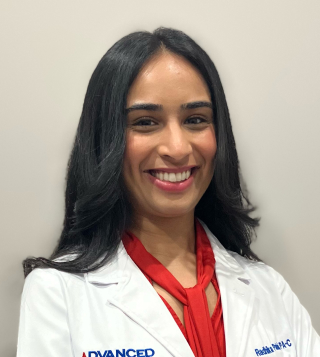 Radhika Patel, PA-C
Physician Assistant Board-Certified PA-C · Primary Care
Radhika Patel, PA-C
Physician Assistant Board-Certified PA-C · Primary Care
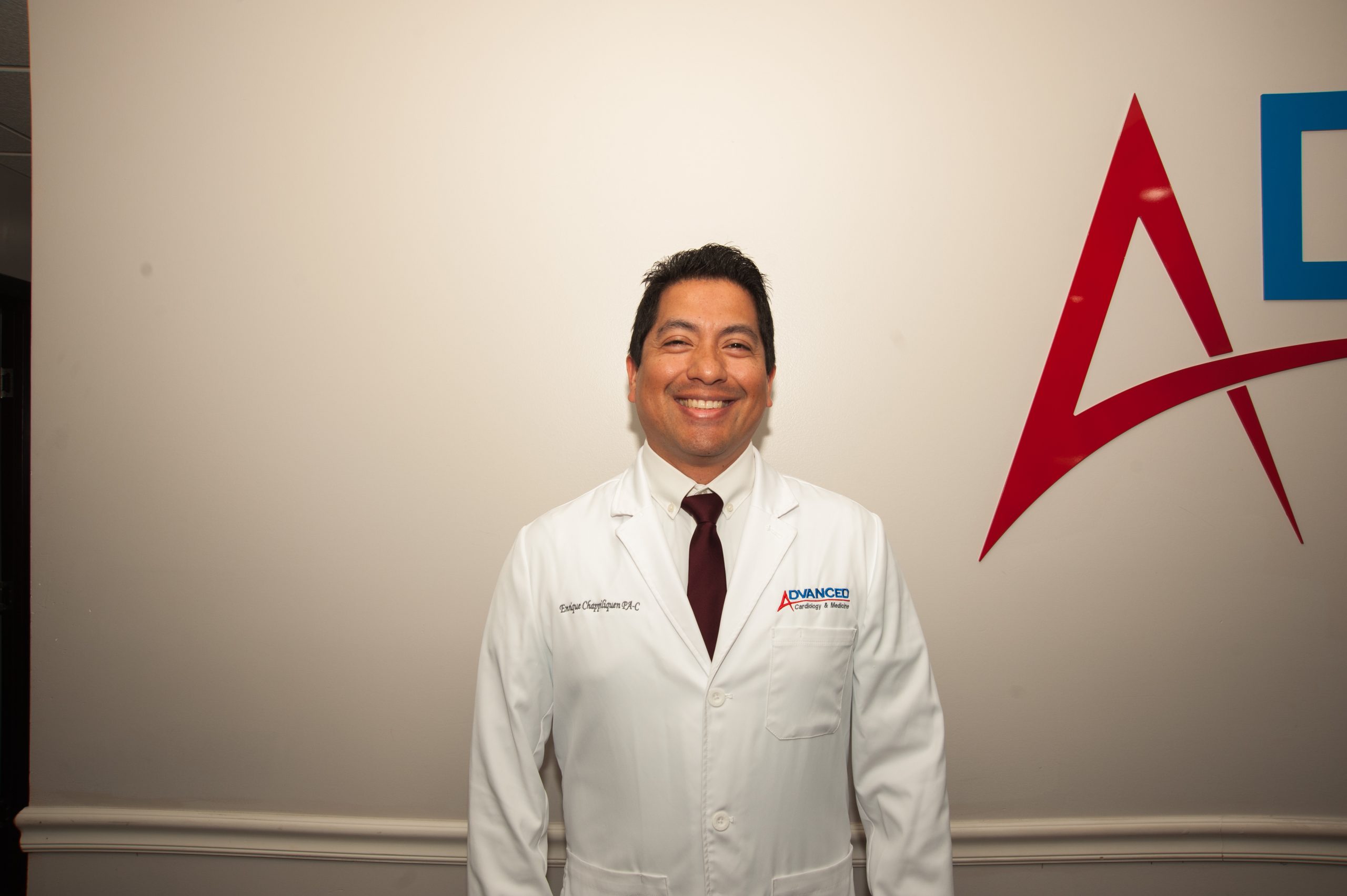 Enrique Chappilliquen, PA-C
Physician Assistant Cardiology · Internal Medicine · Vascular Surgery
Enrique Chappilliquen, PA-C
Physician Assistant Cardiology · Internal Medicine · Vascular Surgery
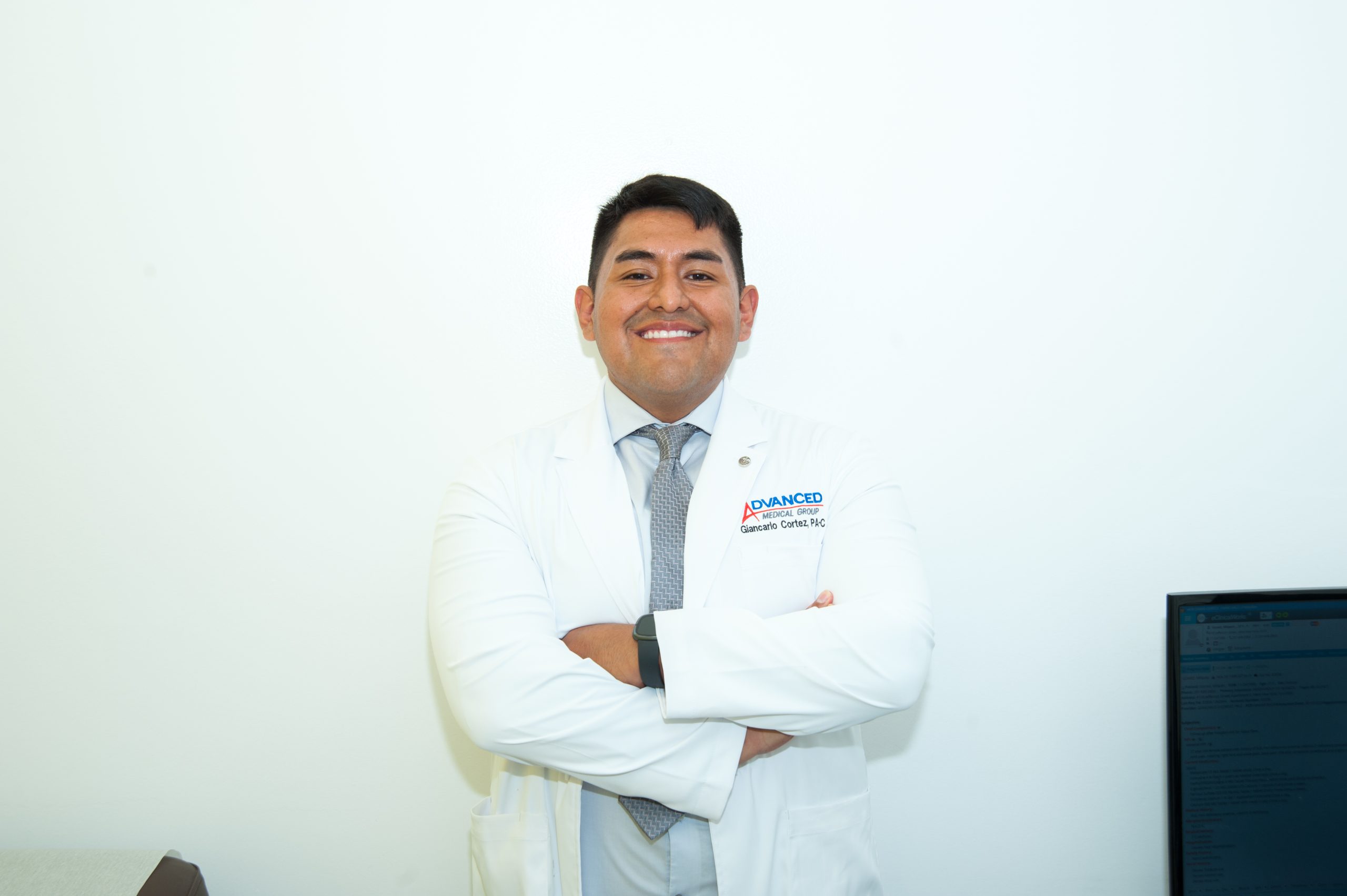 Giancarlo Cortez, PA-C
Physician Assistant Internal Medicine
Giancarlo Cortez, PA-C
Physician Assistant Internal Medicine
What our patients say
I had been struggling with painful varicose veins for years until I discovered Advanced Medical Group. Their expert team gave me a personalised plan, and now I can finally enjoy pain-free, beautiful legs.
Mason Santoro
After a long battle with chronic leg ulcers, their staff treated the ulcers and addressed the underlying venous insufficiency. Today I am ulcer-free and living a fulfilling life.
Isabella Romano
State-of-the-art technology and skilled physicians made my treatment a breeze. The results were astonishing, and I feel completely confident again.
Sophia Ferraro
Begin Your Care Journey
Same-week appointments available across all five Hudson County locations. Speak with our team about your care or verify your insurance in minutes.