 Patient Login
 (201) 581-6100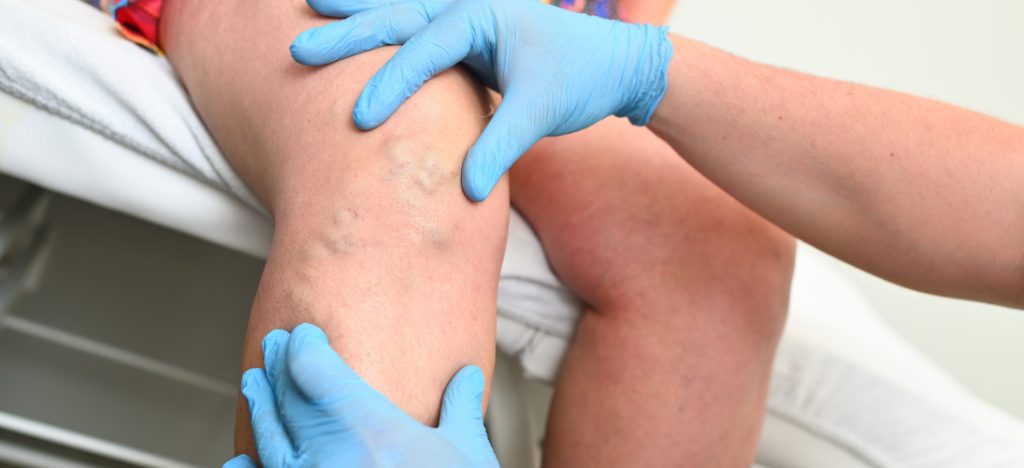
Early Warning Symptoms Of Varicose Veins
The National Center for Biotechnology Information reveals that about 20% of the population suffers from varicose at some point in their lives. About 150,000 new patients are diagnosed with chronic venous insufficiency every year. If you are aware of varicose veins symptoms, early diagnosis, and proper treatment can help you get rid of the pain caused by varicose veins.
Here are some of the early-stage varicose veins symptoms and warning signs that you may face when you are in the initial stages of suffering from varicose veins.
- You may feel a light or dull pain in your legs, which is one of the early signs of varicose that is often ignored by people as they think of it as leg tiredness. It is important to note that you may or may not experience leg pain frequently.
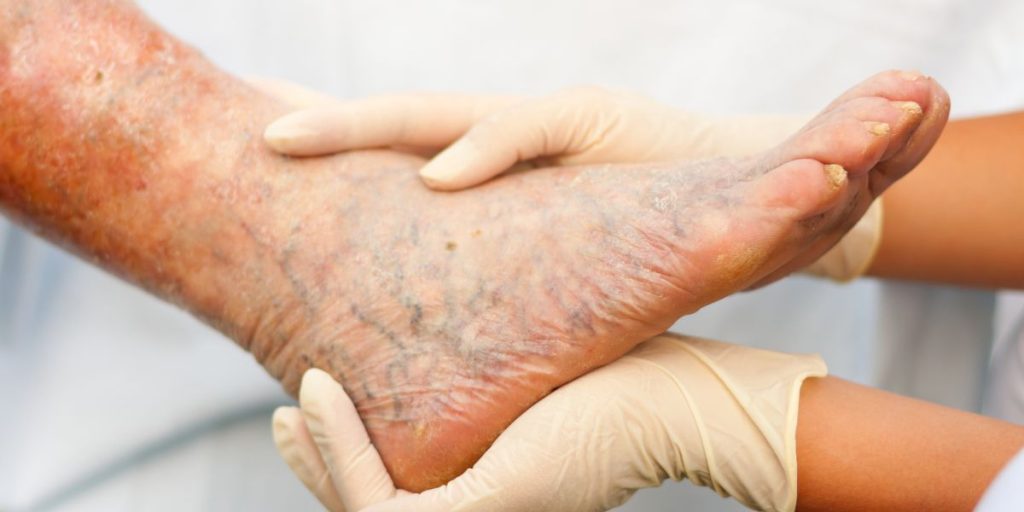
- Skin discoloration is another early sign of varicose veins. In addition to that, you may see small red dots on your legs, especially your lower limbs, which are caused by the twisted veins.
- The skin surface on your legs may become hard or thick. Along with that, you can sometimes see unnatural or extra shine on your legs.
- You may have slightly swollen legs by the end of the day. It can be accompanied by pain sometimes, but most of the time, you may not feel any discomfort.
What Are The Common Varicose Veins Symptoms?
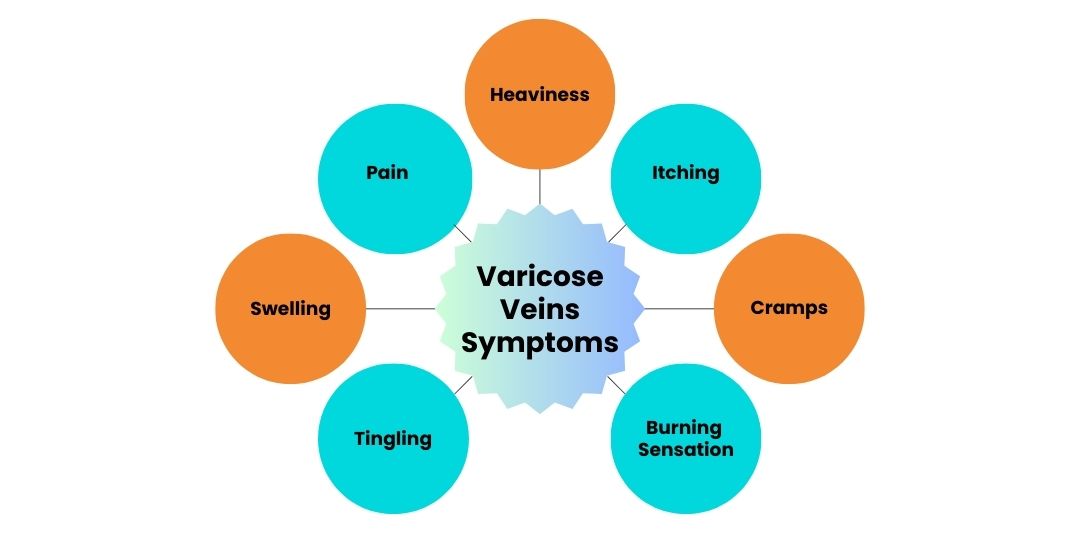
Wondering what are the symptoms of varicose veins so that you can recognize them in the early stages? Check out the below section to learn about the most common symptoms of varicose vein disease.
Leg Pain
Leg pain or discomfort is one of the most common and overlooked symptoms of varicose veins. You are likely to feel extreme discomfort in your lower legs for a significant period, especially during the night. Regardless of whether you are standing, sitting, or sleeping, you will feel a throbbing pain in your legs. If you are physically strained due to heavy work, the severity of the leg pain is likely to increase.
Twisted Veins
Another common varicose veins symptom is twisted veins that usually appear on your skin surface, especially on your calves. They are usually large, blue-colored, and form in knotty patterns on your legs. Sometimes, these veins are swollen, which looks like lumps protruding from your skin. Depending on the severity or the stage of varicose veins, you may see only a few twisted veins on your legs, or your entire calves will be covered in bluish veins.
Muscle Cramps
People with varicose veins may suffer muscle cramps on a regular basis. Most of the time, you will get muscle cramps on the lower legs. In addition to that, you may experience muscle cramps at any time, even when you are resting without doing any strenuous activities.
Swollen Feet And Ankles
Your lower legs, ankles, and feet will be swollen if you have varicose veins. You should remember that swollen feet are not painful, but they might cause a little discomfort when you are doing strenuous physical activity. Most of the time, your feet will look swollen, but you might not feel any intense pain.
Itchy or Burning Sensation
If your lower legs are itchy on a regular basis, it might be one of the varicose veins symptoms or even PAD. In addition to that, you may feel a burning sensation in your legs, which may or may not be painful. Constant burning sensation and itchiness are usually caused by inflammation in the veins, which are indicators of varicose veins.
Skin Discoloration
The color of the skin of your legs, especially lower limbs, is likely to change in people who have varicose veins. It happens when the high pressure in your veins damages the blood vessels, leading to leakage into the surrounding tissues. This unnatural pigmentation on the surface of your skin is because of insufficient blood flow.
Leg Numbness
Most of the time, your leg will feel numb if you are suffering from varicose veins. When the blood flow is compressed due to the increased pressure in your veins, your legs will become numb. In addition to that, some people may experience a tingling or prickling sensation on their legs on a regular basis.
Dry Skin
Dry skin is another symptom of varicose veins because a lack of blood flow will make your skin lose moisture. As a result of that, your skin on the legs will look very dry with reddish patches. If you have varicose veins, you may also experience skin peeling, which is the loss of the upper layer of your skin.
Non-healing Wounds
If you have varicose veins, one of the varicose veins symptoms you may exhibit is skin ulcers. These are generally non-healing wounds on your legs, which stay for a long time. These non-healing skin ulcers may or may not be painful.
Shiny Legs
Because of the accumulation of fluids in your legs that happens when you have varicose veins, your legs are likely to have extra shine, making them look like shiny legs. Sometimes, you may experience discomfort, but mostly, there will be no pain.
It is important to note that some people who are suffering from varicose veins may not exhibit any of these early warning signs or symptoms. However, it is recommended to visit a vein doctor at Advanced Medical Group if you experience constant discomfort in your leg.
Summary Of Varicose Veins Signs And Symptoms
Knowing the warning signs and symptoms of varicose veins makes it possible for early detection and treatment. If you have any of the varicose veins symptoms, it is best to consult vein doctors, who will suggest proper treatment based on your symptoms and the severity of your condition.
There are numerous risk factors for varicose veins, such as obesity, age, family history, pregnancy, gender, restrictive clothing, and many more. There are various treatment options available, which include lifestyle changes, minimally invasive procedures, medications, and surgical treatments.