 Patient Login
 (201) 581-6100
A Guide To The Best Foods For Peripheral Artery Disease
Peripheral artery disease will impact millions of Americans. PAD leads to a decrease in the blood flow to the limbs and causes concerns regarding the limb’s survival, especially the foot. Treatment is usually a combination of drugs, behaviour modification and diet. It is extremely important to control the symptoms of peripheral artery disease (PAD) through diet and vascular health. Hence, any knowledge about foods that can alleviate or control the symptoms of peripheral artery disease will go a long way in helping one live a fuller life.
Best Foods To Manage PAD Naturally
Disease Nutrition is essential in peripheral artery treatment as it can help manage the primary causes of narrowing/lesions within arteries. The foods best for peripheral artery disease are those that either fight inflammation, increase blood flow,/or stimulate overall vascular health. These power foods, whether directly or indirectly, work to reduce arterial plaque, increase levels of nitric oxide, and supply nutrients that help with healthy blood flow. Studies consistently indicate that certain foods can help with managing PAD and/or disease progression.
PAD diets recommend foods that are rich in omega-3 fatty acids, antioxidants, and nitrates, and that possess anti-inflammatory properties. These food types help either manage existing symptoms or, as a preventative measure, slow future progression. Knowing which foods give you the best therapeutic effect enables patients to make educated dietary decisions concerning their medical action plan. In the process of taking care of your PAD, with helpful food item choices, you may also be managing your PAD treatment cost over time and quite possibly preventing expensive medical treatments. If you embrace these food items, especially the specific medically defined therapeutic food item mentioned, you may be more than a step forward in your condition.
Essential Foods To Include In Your PAD Diet
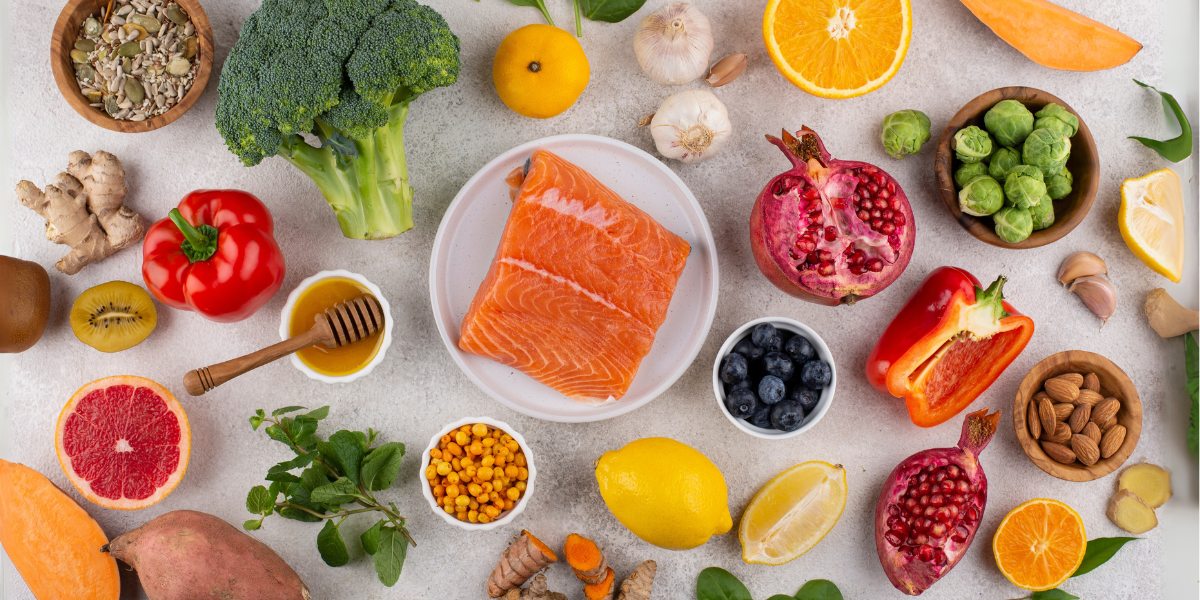
By choosing foods that have the right nutrients to combat inflammation, improve blood flow, and support the healing process, you can impact the body’s healing process at a cellular level. The list below reflects the most potent food options to accompany your lifestyle modifications when managing peripheral artery disease.
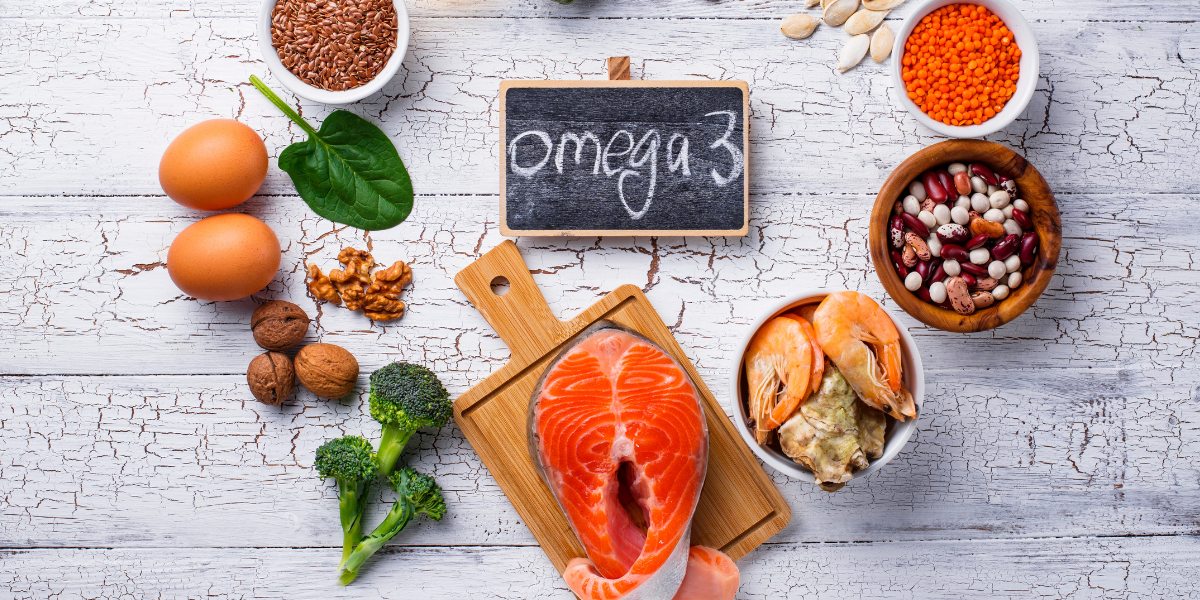
Omega-3 Rich Fish: Nature’s Anti-Inflammatory Powerhouse
Fatty fish are ideal for narrowing peripheral arteries, as they are rich in healthy omega-3 fatty acids. These EPA and DHA-containing fish (salmon, mackerel, sardines, and tuna) are anti-inflammatory and help to protect the vessels. These beneficial observed fats will inhibit platelet function and reduce stiffness.
Two servings of fatty fish are recommended weekly. In case of an aversion to eating fish, then an omega-3 supplement could be considered upon consulting a medical practitioner.
Leafy Greens: Nitrate-Rich Circulation Boosters
Spinach, kale, and arugula, known to be high in nitrates, are converted by the body into nitric oxide, which causes relaxation of the vessels therefore improving circulation. Hence, patients with PAD would want to attempt to include greens into their diet to positively affect it.
There are folate benefits also in these greens. Folate may reduce homocysteine levels. Homocysteine is an amino acid found in blood, and elevated levels have been correlated with a higher risk of cardiovascular disease.
Nuts And Seeds: Heart-Healthy Fats And Protein
Alongside providing the good fats, proteins, and fibres in the diet, these seeds and nuts rank among the best ALA sources. From the plant side, ALA levels might aid an individual’s heart health. They might also bring down LDL cholesterol and give one enough energy throughout the day.
Berries: Full Of Antioxidants
Among the superfoods are raspberries, blueberries, strawberries, and many other berries containing a powerful antioxidant called anthocyanin. These substances can protect the blood vessels and maybe even keep arteries supple. Berries may even help to calm the inflammation and thus help with PAD symptoms.
Whole Grains: Fiber For Arterial Health
Oats, quinoa, and brown rice are good sources of soluble fibre that can decrease cholesterol levels. The fibre binds cholesterol in the digestive system, preventing absorption into the blood. Whole grains will also offer sustained energy, and the best thing is that it will not spike blood sugar levels.
Garlic And Onions: Natural Blood Thinners
Some aromatic vegetables have substances that work to prevent blood clots and lower blood pressure. There are studies that have shown that garlic consists of allicin. It is anti-inflammatory and also has heart-protective properties.
Foods To Limit Or Avoid
It is useful to know about the diet for PAD disease and clean foods that enrich human beings’ health; they must also be made aware of those foods that contribute to the worsening of PAD. Any unhealthy processed meats, fried foods, and fatty foods cause inflammation and favour plaque deposition within the arteries in the diet. Excess amounts of sodium can also increase blood pressure levels, and excess refined sugars can raise the risk.
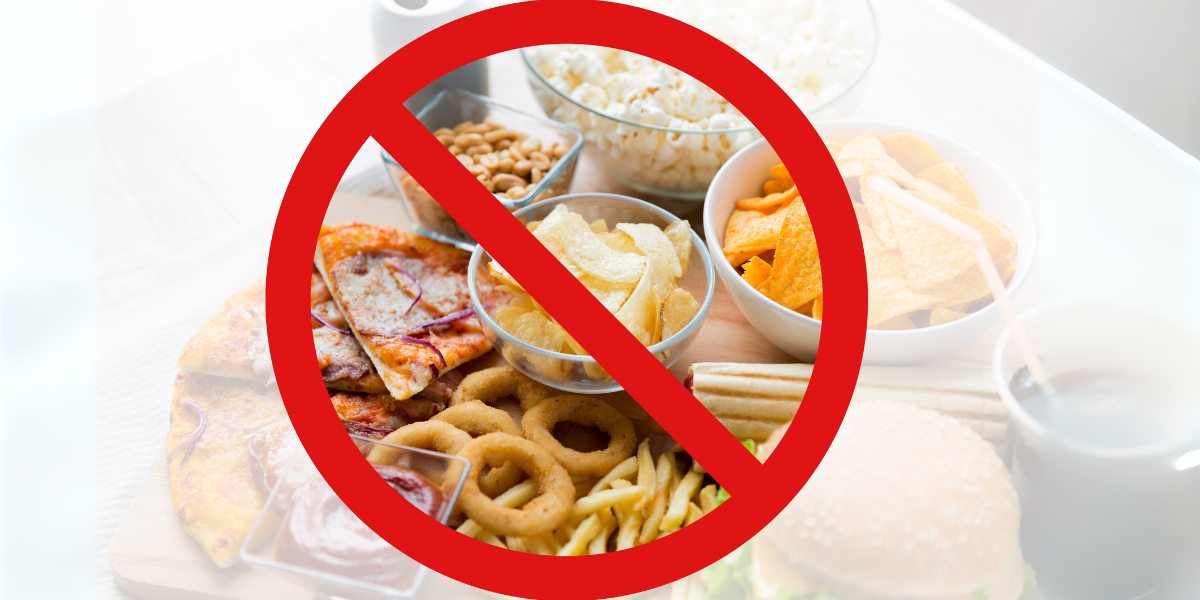
The junk food contains trans fat and saturated fat. This combination is hazardous. It is a massive danger for those with PAD. One of the best tips to avoid eating these harmful foods, particularly those with hydrogenated oils, is to read the label. You must also limit high-sodium condiments, canned soups, and packaged snacks because they contain inflammatory ingredients. These harmful ingredients can slowly cause damage to blood vessels and lead to worsening circulation.
Moving Forward With Confidence
What diet is best for PAD? Yes, dull, drab, unsatisfactory? It is good to know that many of the proteins, starches, and plants will be in colours and flavours. Furthermore, if you add herbs and spices and utilize moderately healthy methods of cooking, such as grilling, broiling, or steaming, you can add flavour and reduce sodium.
While it will take time to learn to eat for your vascular health, you have to keep in your mind that every meal is an opportunity for improving your circulation and remaining healthy. Eating foods that nourish your artery’s capacity to ensure better management of your symptoms and an improved quality of life.
As always, be aware that dietary intervention is a lifestyle change that is best done in conjunction with ongoing movement and exercise, smoking cessation, and stress management. Your physician, or a specialized practice such as Advanced Medical Group, can help establish a holistic approach to managing other components of PAD from all aspects.