 Patient Login
 (201) 581-6100
What Are The Causes For Peripheral Artery Disease?
Peripheral Artery Disease (PAD) is a common circulatory condition that impacts millions of individuals worldwide. It occurs when plaque accumulates in the arteries, leading to narrowing and reduced blood flow to the extremities, typically affecting the lower part of the body (mostly the legs). The causes of PAD are not always well-defined, but numerous risk factors have been identified.
Understanding the peripheral artery disease causes is essential for early detection, prevention, and effective management of this potentially serious ailment. So, in this article, we will discuss the key factors and reasons for Peripheral Artery Disease.
How Does Peripheral Artery Disease Develop?
The body’s complex network of arteries plays a crucial role in delivering oxygen and important nutrients from the heart to every part of the body. These arteries normally maintain a smooth inner surface, ensuring the unclogged flow of blood. However, plaque can accumulate over time on the arterial walls as blood passes through them. This build-up is known as atherosclerosis. It signifies the stage of peripheral artery disease progression.
Over a long period, these deposits gradually build up and narrow the space inside the artery. This process, commonly known as “artery furring”, is also clinically known as “occlusive disease.” by healthcare professionals.
Peripheral Artery Disease refers to the blockages of arteries in the outer regions of the body, commonly observed in areas like the legs. It is important to note that if someone is diagnosed with PAD, they may simultaneously experience a similar disease affecting the brain and heart. This dual progression significantly increases their vulnerability to serious issues such as heart attacks or strokes.
Causes Of Peripheral Artery Disease
The exact causes for Peripheral Artery Disease remain unknown. However, some key factors influence Peripheral Artery Disease causes. These are:
1. Smoking
Smoking is one of the primary peripheral artery disease causes, significantly increasing the risk factors of peripheral Artery Disease. It is popular among active and former smokers. By quitting smoking, individuals can slow disease progression and mitigate related complications.
2. Unhealthy Blood Lipid Levels
Unhealthful blood lipid levels, including excessive fat and cholesterol in the bloodstream, can contribute to developing Peripheral Artery Disease.
3. High Blood Pressure
Regular high blood pressure can have harmful effects on the arterial walls, which leads to the development of atherosclerosis. Managing blood pressure is essential to lower the risk of artery disease.
4. Diabetes And Insulin Resistance
High levels of sugar in the blood due to insulin resistance or diabetes can damage the arteries, accelerating the development of PAD.
5. High Cholesterol/ Atherosclerosis
The increasing level of cholesterol, especially the build-up of lipoprotein(LDL) cholesterol can result in the formation of plaque within the arteries. This process is known as atherosclerosis. Gradually, this plaque buildup can restrict the blood flow in the arteries and lead to the emergence of PAD symptoms.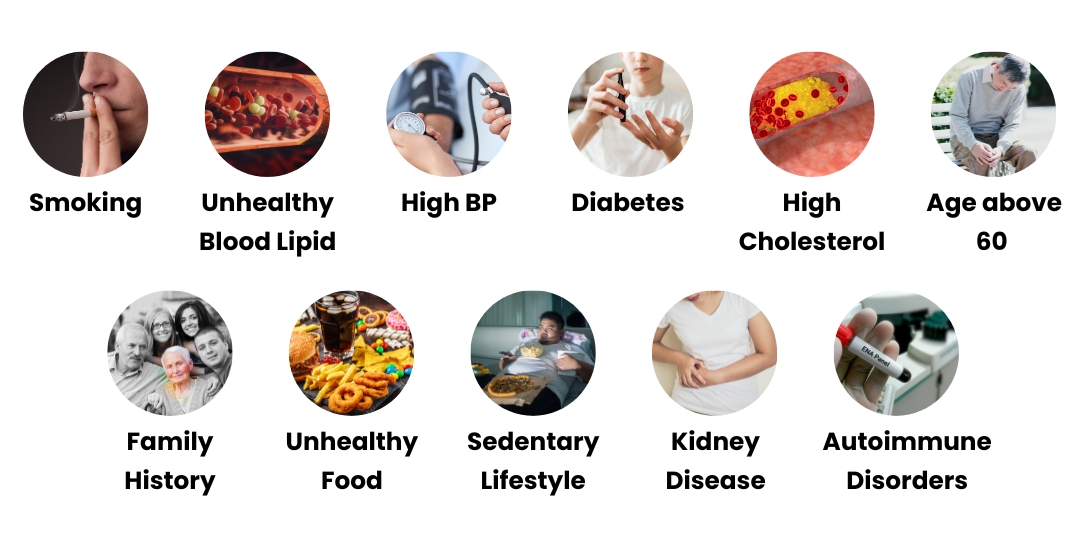
6. Age above 60 years
People aged 60 years and above often experience a decline in flexibility and resilience because of aging. This makes their arteries more vulnerable to the effects of atherosclerosis, leading to an increased risk of developing PAD. The cumulative impact of aging on the vascular system further raises the likelihood of arterial narrowing in this age group.
7. Family History
Individuals who have a family history of vascular disease or related conditions may face an increased risk.
8. Unhealthy Food
Consuming diets that are rich in saturated fats, trans fats, and processed foods can greatly lead to the development of PAD. Such unhealthy food choices can raise cholesterol levels and cause inflammation, both of which are major factors that cause PAD. On the other hand, having a rich diet, including fruits, vegetables, whole grains, and lean proteins, can significantly lower the risk of PAD
9. Sedentary Lifestyle
Sitting for a long period without regular physical activity can negatively impact your circulation and cause plaque to accumulate in your arteries. To prevent the development of Peripheral Artery Disease, it is important to engage in regular exercise, as it maintains healthy blood flow and improves overall cardiovascular health, reducing the risk of this condition.
10. Chronic Kidney Disease
Kidney diseases can interrupt the balance of electrolytes and hormones, which can have implications for blood vessel health. Also, individuals with kidney disease are at a higher risk of developing atherosclerosis and other cardiovascular complications, thereby increasing their susceptibility to peripheral artery disease.
11. Autoimmune Disorders
Conditions like rheumatoid arthritis can contribute to the development of PAD by causing inflammation in the blood vessels. This chronic inflammation associated with autoimmune disorders can speed up the progression of atherosclerosis, resulting in narrowed arteries and reducing blood flow to the limbs.
Various diseases and conditions such as blood clots, limb injuries, homocysteine, high C-reactive protein, and metabolic syndrome can greatly increase the risk of PAD. It is important to recognize these risk factors to take instant measures to prevent the progression of Peripheral Artery Disease.
The presence of PAD significantly increases the risk of developing other cardiovascular conditions, including:
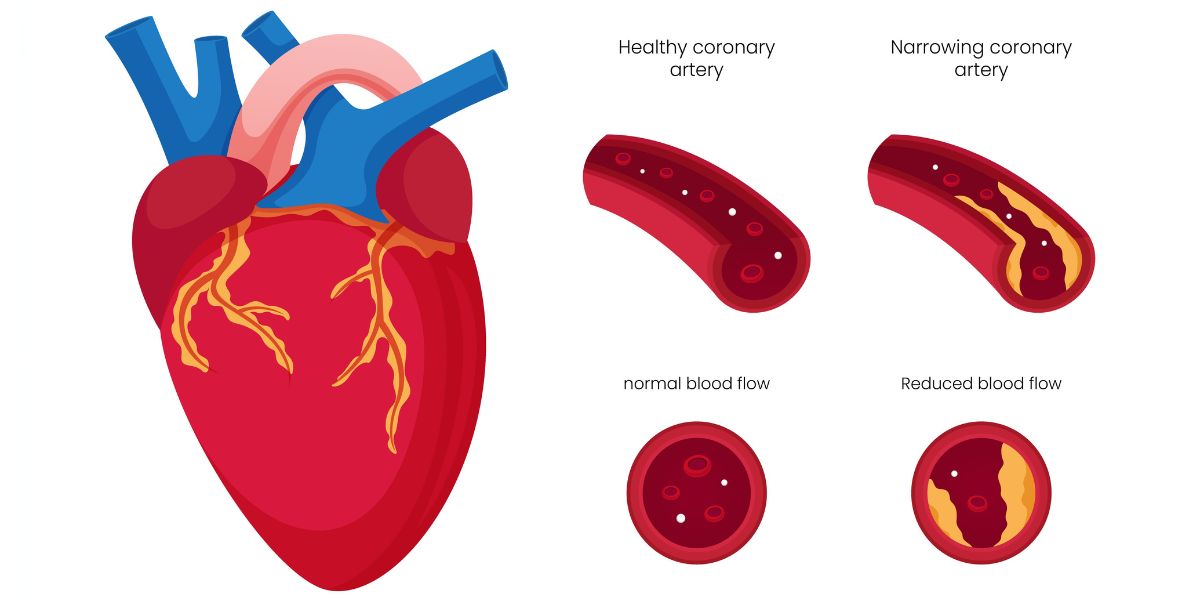
Coronary Artery Disease (CAD)
Coronary Artery Disease presents an increased risk for individuals with PAD. CAD involves the narrowing of the coronary arteries which supply blood to the heart muscle. The combination of PAD and CAD can increase the probability of experiencing heart attacks and cardiovascular events.
Cerebrovascular Disease
It is another potential risk that can be heightened by PAD. This condition specifically affects the blood vessels supplying the brain, leading to various complications such as stroke, transient ischemic attacks(TIA), and other neurological issues.
Take Control Before PAD Takes Over
There are several peripheral arterial disease causes. The primary factor is atherosclerosis, which occurs when plaque collects in the veins, causing blood clogging. However, effectively managing PDA requires a comprehensive strategy. This includes daily lifestyle changes, following prescribed medication, and considering surgical interventions in severe cases. This approach aims to enhance blood flow, alleviate symptoms, and minimize associated risks.
To ensure a comprehensive evaluation and personalized treatment plan, contact Advanced Medical Group. As a leading institution specializing in vascular health, we can assist you in effectively managing peripheral arterial disease and improving your overall well-being. Contact us today to schedule a consultation with us.