 Patient Login
 (201) 581-6100
Introduction To Types Of Heart Attacks In 2024
Heart attack is a serious disease that has taken thousands of lives until now. According to WHO reports, the number of deaths due to heart attacks increased by 12 per cent last year. Many experts believe that the heart attack variant not being confirmed in time is the reason for many of these cases. Yes, there are many types of heart attacks, and due to a lack of timely information and consciousness among patients, they are becoming even more deadly. If the possible variant is known, a patient can be saved by treating in the right direction. So, do you know what are different types of heart attacks?
In the following article, we are going to discuss the same. We will classify heart attacks based on symptoms, tests, and treatment. Moreover, we will also learn about their severity in real-time.
Types Of Heart Attacks: You Should Know
Majorly the classification of heart attacks is based on ECG and troponin present in the blood. According to the wide studies of ST segment and serum troponin level, four different types of heart attacks are tackled commonly:
- STEMI Myocardial Infarction
- NSTEMI Myocardial Infarction
- Unstable Angina
- Acute Coronary Spasm
STEMI Myocardial Infarction
STEMI is the most severe and common type of heart attack that physicians have to tackle in hospitals. STEMI is seen when blood flow to a major portion of the heart is blocked. This could be due to acute coronary blockage or complete damage to the coronary artery. Elevated ST segments can detect STEMI during ECG. It requires immediate treatment to save the life of the patient.
Symptoms Of STEMI
- Mild to severe chest pain is observed in the early stage.
- Patients can lose consciousness and become senseless as the blood flow stops to the brain.
- High blood pressure and sweating are seen consistently in older patients.
- Dilation of the pupil is one of the common signs of STEMI.
- Shortness of breath and hypertension accompanies directly after the coronary blockage.
Test and Treatment
The doctors recommend ECG and blood troponin tests to confirm myocardial infarction. If the signs are confirmed, immediate angioplasty is conducted in most cases.
NSTEMI Myocardial Infarction
NSTEMI is slightly different from STEMI, where cardiac arrest is seen due to damage to the myeloma. This condition occurs due to myeloma or heart muscles not getting blood supply or defeat in contraction strength. NSTEMI is typically seen in age groups and people living a sedentary lifestyle. It can be treated in the primary stage. However, consequent attacks can lead to STEMI and death.
Symptoms
- The feeling of weakness and laziness during normal work processes and exercise.
- Sudden fall in blood pressure and feeling of dizziness.
- Calcium deficiency can be a great cause of NSTEMI.
- Feelings of nausea are seen sometimes but are not common.
- Mild to severe chest pain is seen just before cardiac arrest.
Test And Treatment
The blood troponin test plays an important role in detecting NSTEMI. In the preliminary stage, cardiologists suggest medications to recover the contactory force of heart muscles. But in severe cases, the operation is the best choice to save the patient.
Unstable Angina
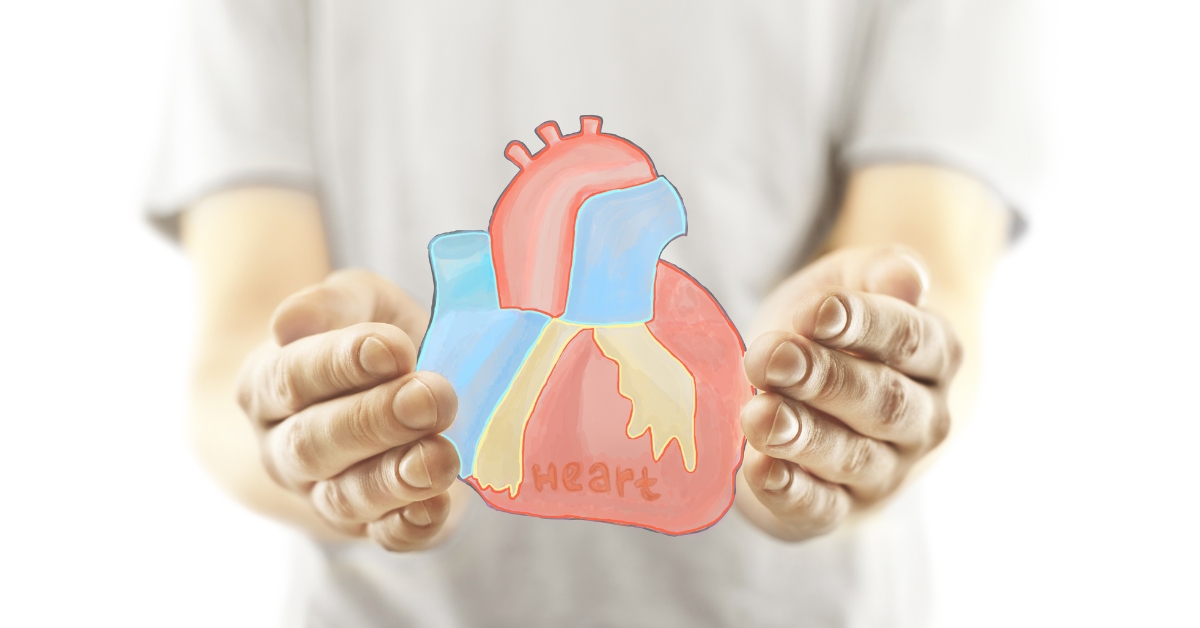
Unstable Angina or Angina Pectoris is a condition of severe chest pain due to oxygen deficiency in chest muscles. It has relatively common symptoms to STEMI and can lead to heart attack if not treated early. However, the severity and frequency are comparatively low compared to other variants.
Symptoms
- Severe chest pain due to a deficiency of oxygen in the muscles. Sometimes, it feels like a heavy weight is placed over your chest.
- Indigestion and nausea are common in such situations.
- A temporary elevation is seen in blood pressure, especially unstable Angina.
- Lightheadedness and dizziness are some of the common issues doctors address during patient treatment.
Test and Treatment
An Electrocardiogram or ECG is the test of choice to detect Angina. Common medications are prescribed to prevent further damage and aid in the patient’s recovery.
Acute Coronary Spasm
Patients having a history of arrhythmia can suffer from acute coronary spasms. It is a condition that mirrors myocardial infarction but differs in terms of clinical aspects. It is also known as a silent heart attack, as it causes a sudden block in the coronary artery for some time to create effects like a STEMI. Our Cardiologists say weaker hearts are more prone to suffer from this kind of situation.
Symptoms
Severe chest pain for a fraction of the time, followed by unconsciousness. Obesity and fatigue can be seen as long-term symptoms. Fluctuations in blood pressure are typical signs of acute coronary spasm. Nausea and indigestion are also seen in a potent number of patients.
Tests And Treatment
Increased blood troponin and an unstable ECG are conclusive tests for an acute coronary spasm. Immediate administration of atropine is suggested to prevent cardiac arrest, and angioplasty is conducted in severe cases.
FAQs For Types Of Heart Attacks
Can consistent pain in the chest muscles be a symptom of a heart attack?
Yes, it could be a sign of a heart attack. But it is not always true. There can be several reasons behind severe chest pain. Therefore, you should consult with your doctor before any conclusive decision.
Is angioplasty necessary during a heart attack?
Angioplasty is one of the common ways cardiologists suggest during severe heart attacks. However, the necessity depends on several factors, like the severity of the attack, the age of the patient, the medical history of the patient, and the cost of angioplasty.
Can living a sedentary lifestyle lead to a potential reason for Heart attack?
Unfortunately, yes. Advanced Medical Group, being one of the oldest medical giants, has seen hundreds of cases where people living a sedentary lifestyle suffer from heart attacks. But it is not necessarily true if you are taking proper care of your heart health by consuming good food and adopting healthy practices in your routine life.
Conclusion
Wrapping it up and understanding the type of heart attack can help in taking early action and can be a life-saving opportunity. Therefore, if you are feeling any symptoms, you should consult your medical advisor for further tests and medications.