
 Patient Login
 (201) 581-6100
Understanding Podiatrists’ Secrets To Soften Toenails
Taking care of your feet is a part of your general health. Lots of individuals are having trouble with their thick, brittle, and hard nails, and the frequent question relating to this type of nail is, “What do podiatrists use to soften toenails?” Learning about the established medical procedures and newer forms of therapy administered by a podiatrist, such as those provided by the advanced medical group, can enable you to maintain healthy toenails in the comfort of your own home. This inclusive guide delves into professional secrets to achieving softness and safety with your feet and toenails to help you know everything you require to present your best foot forward.
What Do Podiatrists Use To Soften Toenails?
By seeing a podiatrist for toenail care, you use their experience and specialized tools to help your problematic nails. The podiatry treatment field has an array of techniques that can soften nails and make them safe to trim and handle, with minimal risk of injury or infection.
Commonly used tools and products by podiatrists:
Medical Grade Emollients:
These creams and ointments are high in urea, lactic acid, or salicylic acid to break down the hardened nail keratin and deeply moisturize. Their use is a standard response to “What do podiatrists use to soften toenails?” when in the clinic.
Warm Soaks:
An easy and effective procedure. Your feet are submerged in warm water (in which Epsom salt or antibacterial agents may be added) to stimulate blood flow and make your nails soft so that clipping is painless.
Electric Nail Files And Drills:
Podiatrists employ electric nail drills and electric nail files to thin toenails without subsequently damaging them when softened, ensuring accuracy and limiting the amount of discomfort the patient may experience during treatment.
Sterile Nail Clippers:
Nails are then clipped into a smooth, even cut, and this helps prevent ingrown nails, reduces discomfort, and promotes healthy nail growth over time.
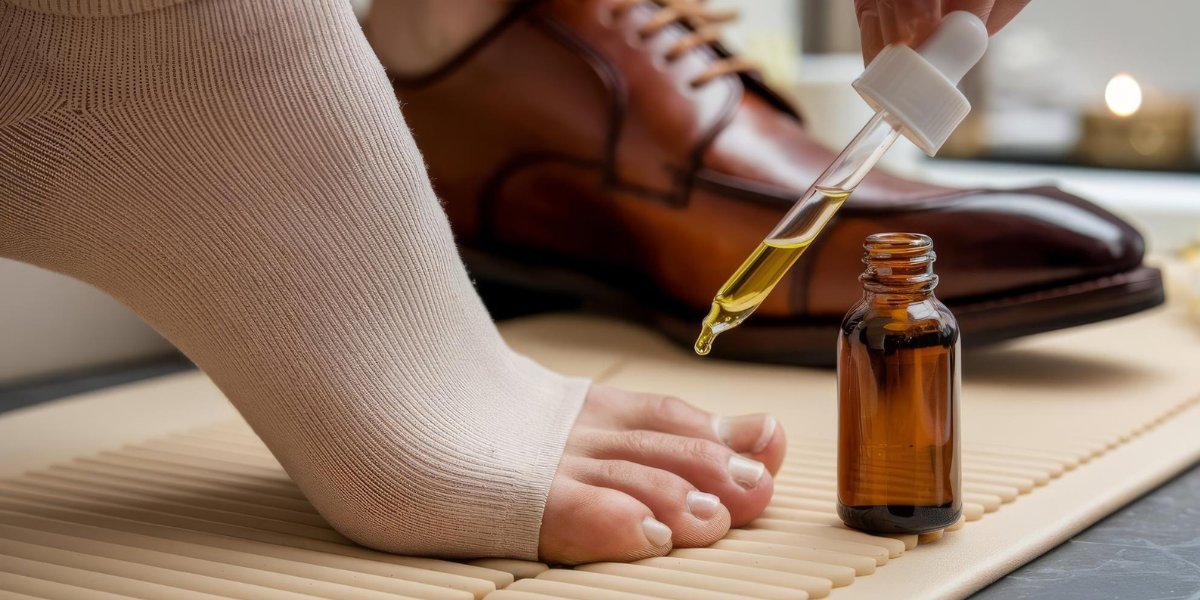
Moisturizing Oils:
Vitamin E or lanolin oils are commonly prescribed to ensure the protection of nails and to keep them soft after podiatry treatment.
Topical Antifungals:
Tough or infected nails are further softened and treated with prescription ointments, enhancing healthy regrowth.
Each of these methods is customer-centered and involves using clinically tested products only in premium clinics like Advanced Medical Group.
What Do Podiatrists Use To Soften Toenails At Home?
Curious about how to enjoy expert care at home? So many people look; what do podiatrists apply to soften toenails at home? These are at-home methods advised by some podiatry experts:
Urea Creams:
Urea-containing creams are over-the-counter home care products preferred by podiatrists. Apply these creams after bathing to gradually ease nail thickness.
Regular Moisturization:
Applying lotion or oil regularly, especially after a bath, should keep your feet moisturized all day, preventing dryness and promoting soft, healthy skin.
Daily Warm Water Soaks:
Warm water with or without Epsom salt gently soaks feet to maintain moisture during the week between clinic visits, helping to soothe the tired muscles and soften skin.
Soft Socks:
Apply cream, and then wear cotton socks to help keep the moisture in, help the healing process, and keep your feet soft and well-covered all night.
Careful Nail Clipping:
Clip your nails with quality, sharp clippers to reduce the chances of splitting as the nails soften, preventing damage and promoting healthy nail edges.
Integrating these simple podiatry treatment guidelines into the home routines of patients will keep them going and allow them to attain lifelong foot health.
What Helps Podiatrists Soften Toenails Quickly?
Sometimes nails must be softened quickly for procedures or stubborn cases. Health professionals are aware of what helps podiatrists soften toenails, and it usually appears this way.
Prescription-Strength Urea (40%):
These are powerful medical creams that quicken the softening of even the hardest nails with a single application.
Acid-Based Ointments:
Creams containing lactic acid or salicylic acid are potent keratolytics that help in rapid penetration and nail breakdown.
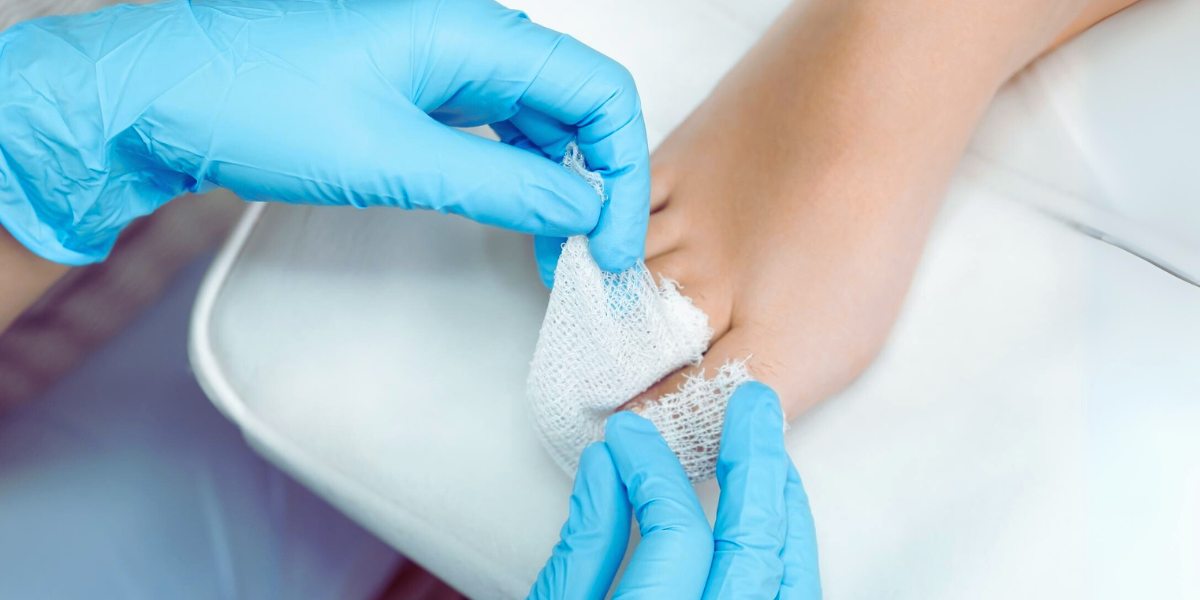
Bandaged Softeners:
The bandaging of the thinner toe with a moisture-locked bandage can greatly improve the rate of absorption following cream application. This method must be conducted under the supervision of a professional.
Heated Professional Soaks:
Podiatrists incorporate special heated footbaths filled with softening agents to ensure nails are ready to be safely trimmed within 15 minutes.
If you want to know what podiatrists use to soften toenails most rapidly, these are their go-to methods—always delivered with a focus on your comfort and safety.
Tips To Keep Toenails Soft And Healthy
How can you maintain nails that are soft and strong even after podiatry treatment? The experts of the advanced medical group provide the following daily care tips:
Drink Water:
Drinking water helps to keep the nails flexible internally, promotes healthy nail growth, prevents brittleness, and supports overall hydration for stronger, softer toenails.
Wear The Right Shoes:
Proper footwear and wearing breathable shoes minimizes the nail trauma- it’s another assured method of keeping toenails soft.
Practice Hygiene:
Maintain hygiene by regularly washing the feet, keeping the toenails clean and clipped, treating the nails with nail moisturizer, and avoiding any shared tools that may lead to infections.
Consume Nail-Friendly Foods:
Nails are strong and flexible with a diet containing biotin, protein, and omega-3s.
Gentle Nail Care:
Do not use chemicals and rough filings; treat feet delicately.
Scheduled Checkups:
Visiting your preferred podiatrist now and then helps ensure problems are caught early and helps keep nails healthy throughout their lifetime.
Step Into Wellness With Podiatric Care
A soft and healthy toenail is a realistic prospect when professional advice is partnered with regular home treatments. If you are struggling with thick nails or want to get extra comfort, a podiatrist is the expert who can advise you on the most appropriate options regarding your feet.
Adding simple daily routines, such as moisturizing your nails, gentle filing, and wearing breathable shoes, will also contribute to the well-being of your nails. When treated early and addressed regularly, these complications can be avoided, and long-term foot wellness can keep you moving comfortably in your day-to-day life.