 Patient Login
 (201) 581-6100
Symptoms For Considering A Foot Doctor
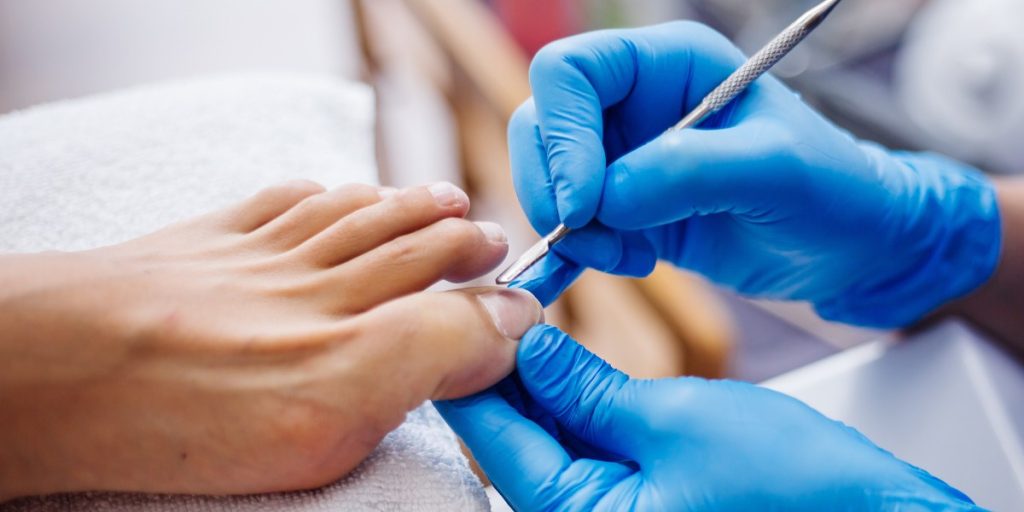
We all know that any minor issue in our body can lead to a severe problem if the right guidance doesn’t come on time. So why do we procrastinate when booking an appointment with a podiatrist? A podiatrist specializes in the treatment of the leg, ankles, and issues like injuries and pain. However, sometimes he can even perform foot surgery as well.
To sustain a healthy relationship with your lower body parts, you should know when to see a podiatrist for ingrown toenails, being threatened by ankle twists, joint pain, and related issues. In this article, you will learn about all the signs and symptoms for when you should consult a foot doctor.
What Are The Signs That Indicate You Should See A Podiatrist?
You need a minor decision to get rid of any foot issues, but that minor decision, too, needs a knowledge of the potential symptoms that may depict a serious problem. Here is the way to acknowledge those signs and work on them:
Pain And Swelling
Pain and swelling seem to be nominal symptoms, at least in the initial suffering stage. Sometimes they can be avoided very easily, which can lead to serious concern. You should consult a podiatry doctor when you have minor pain for a long time.
Numbness or Feet Tingling
The feeling of numbness or tingling is not a good sign for a diabetic person, as it can lead to the progression of issues like neuropathy, ulcerations, and many more complications. A podiatrist will ensure the effective management of nerve and blood vessel damage that saves tissue and enhances circulation and ambulation.
Balance or Gait Issues
Due to sports activity, overuse injuries, arthritis, and deformities like hammertoes, you may disturb the balance and ambulation of your body. To maintain a good posture and balance, you are required to visit a podiatrist. A podiatrist performs better treatment with assistive devices such as splints, walking boots, and custom orthotics (shoe inserts). They can also guide you on how to exercise safely and efficiently.
Skin Itchiness And Inflammation
If you are a sports enthusiast, you probably have the problem of skin itchiness and inflammation due to the unawareness of fungal infection. Due to the adrenaline rush of sports, sometimes you don’t even realise that your nails have become thick, yellow, and deformed because of walking barefoot or wearing sweaty shoes. With the help of a foot doctor, you gain important insight into fungus-clearing and nail problems to sustain healthy nails and skin.
Foot or Heel Pain
It is possible that whenever you have foot or heel pain, you avoid it because it is not so painful, but this does not mean you should take it lightly. Heel pain is usually caused by inflammation, whereas improper and overused footwear causes foot pain.
Ingrown Toenails
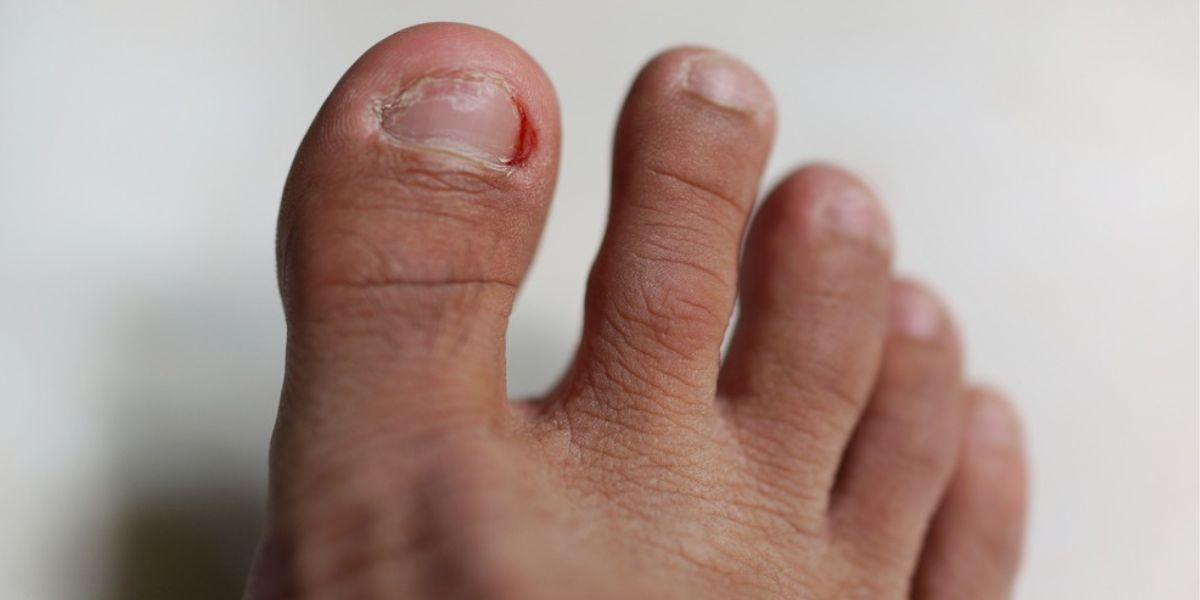
In this disease, people suffer from the expansion of skin on one or both sides of the nail. It results in pain, swelling, inflamed skin, and redness, and also has a chance of pus draining from the area. Due to the probability of an infection, having ingrown toenails may be very expensive if you don’t understand when to see a podiatrist for ingrown toenails. Things like trimming your toenails, maintaining the shape of nails that align with your toes, and wearing protective and properly fitting footwear are ways to escape the experience of having ingrown toenails.
Bunions
The most common reason for bunions is the extra pressure of something that is put on your big toe and disturbs natural alignment. With bunions, you must feel symptoms like pain or stiffness in your big toe, swelling, discolouration, or redness. To get rid of this problem, you have to know when to see a podiatrist for bunions, who suggests you wear properly fitting shoes that take off the pressure on your big toe and apply cold packs or icing to your affected toe. So, if you don’t want to experience bunions in your life, start avoiding very tight shoes that put pressure on your toes, and check your feet regularly.

Cracked Heels
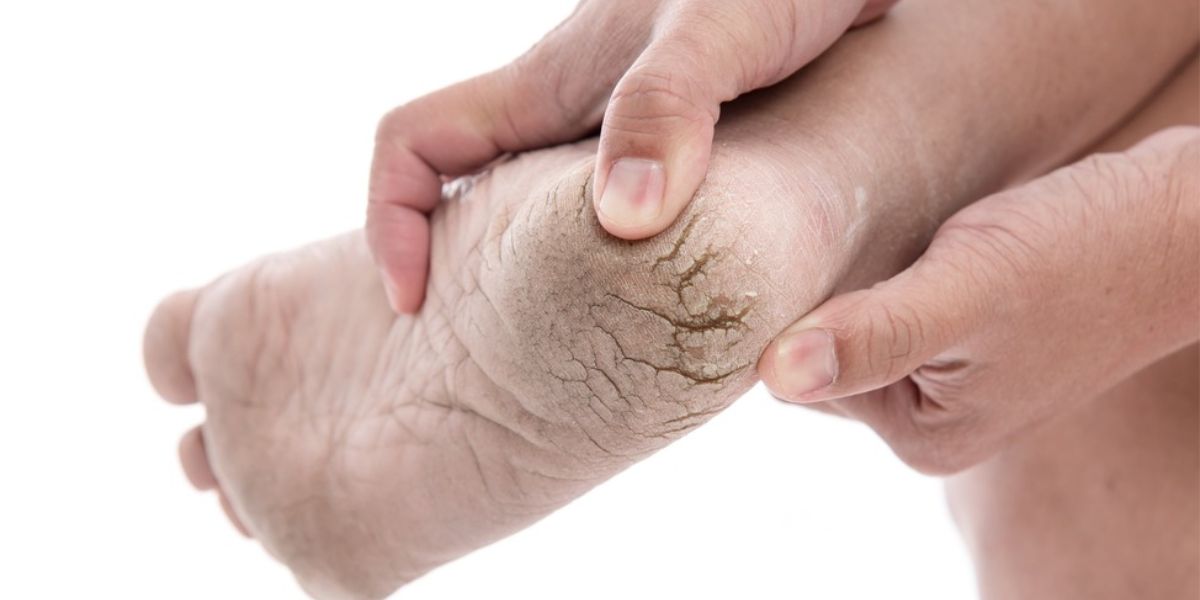
Dry skin is generally the reason why people feel the problem of cracked heels. People with their initial stage of cracked heels underestimate this problem, and it results in extensive pain even when standing and increases the probability of skin bleeding. When you see a podiatrist for cracked heels, they allow you to follow methods like hydrating your skin, putting coconut oil on it, washing your feet regularly with lukewarm water, etc., for better podiatry treatment.
Flat Feet
The non-development of arches during childhood is often responsible for flat feet. Well, people with flat feet don’t have to worry if they’re not feeling pain. But it’s high time to see a podiatrist whenever people experience serious pain due to flat feet. Factors like obesity, diabetes, and ageing can affect you and increase your probability of flat feet. A podiatrist can suggest you do stretching exercises, physical therapy, and sometimes surgery in very rare cases.
Arthritis
It means you can feel inflammation or swelling in one or more joints. It generally causes joint pain and stiffness. However, arthritis has more than 100 different conditions affecting joints, tissue around the joints, and other connective tissues. Short-term treatments like exercise and having a massage of painful muscles can be very beneficial for curing arthritis. With this in mind, don’t forget to consult with Advanced Medical Group for further assistance with arthritis.
To Sum Up
So, never underestimate the symptoms, which are important to determine when to see a podiatrist for cracked heels or other injuries in your lower body part. Be aware of common foot problems and understand the importance of consulting a podiatrist. Also, suppose you have a specific disease like diabetes. In that case, you can’t afford to procrastinate about seeing a podiatrist, as you are just one call or click away from having a normal happy life.