 Patient Login
 (201) 581-6100
Your Guide To The 6 P’s Of Peripheral Artery Disease
While diagnosing vascular health, the 6 P’s of Peripheral Artery Disease cannot be ignored when diagnosing vascular health. Doctors and patients can recognize the possibility of Acute Limb Ischemia through these six critical signs. PAD can affect or block the blood flow in your limbs, which requires treatment immediately before it gets worse.
Observe the crucial 6 P’s of PAD to diagnose obstructed blood circulation in the legs and begin with the correct treatment. Ignoring these signs can cause severe complications like permanent artery damage, unbearable pain, and numbness.
By taking action after noticing these emergency indicators, vascular health can be managed to some extent with medications, surgeries, and other therapies. This blog provides a detailed explanation of the six P’s of peripheral arterial disease to act quickly when you observe them.
6 Crucial P’s Of Peripheral Artery Disease
1. Pain
Sudden and sharp pain in your limbs is an alarming sign that you should never ignore. Consult a vascular expert and explain the severe cramping pain in your limbs while walking. The pain can be intolerable and unexpected. Even while resting, you can experience the pain, which may worsen if ignored for some time.
It may happen due to a lack of oxygen supply to tissues and muscles. It is an early sign of restricted blood flow, which needs to be addressed immediately. Rush towards the hospital if you experience sudden, unbearable pain and a burning sensation in your feet or toes. Get PAD treatment immediately if you feel the pain even while resting.
2. Pallor
Healthy limbs appear pinkish due to continuous blood circulation. But when it gets interrupted, it looks pale. Another symptom you can observe is your limb appearing pale, dull, or bluish. It means that the circulation is impaired severely and the arteries are blocked. It is a warning symptom of PAD, where the arteries circulate oxygenated blood to your legs with difficulty.
When you raise your leg, this symptom is more noticeable. If you lower your leg, it may regain its standard color due to a delayed capillary refill. The skin appears bluish because of the absence of RBCs. The color change is quite visible, so you can hardly ignore it. You might need urgent medical attention. If Pallor remains persistent, it becomes easy to identify PAD in a patient.
3. Pulselessness
Another quick way of diagnosing blood circulation is to check the pulse rate. Generally, the pulse rate is faint or absent below the area of arterial obstruction. Doctors can easily determine the absence or low blood circulation by checking the pulse rate via Doppler ultrasound.
Weak pulse in limbs may happen due to partial or complete blockage of arteries, which may obstruct the flow of blood to the affected area. Apart from leg pain, notice this sign to detect the chances of ischemia. Along with other crucial signs, check for pulselessness to confirm PAD-causing acute ischemia.
4. Paresthesia
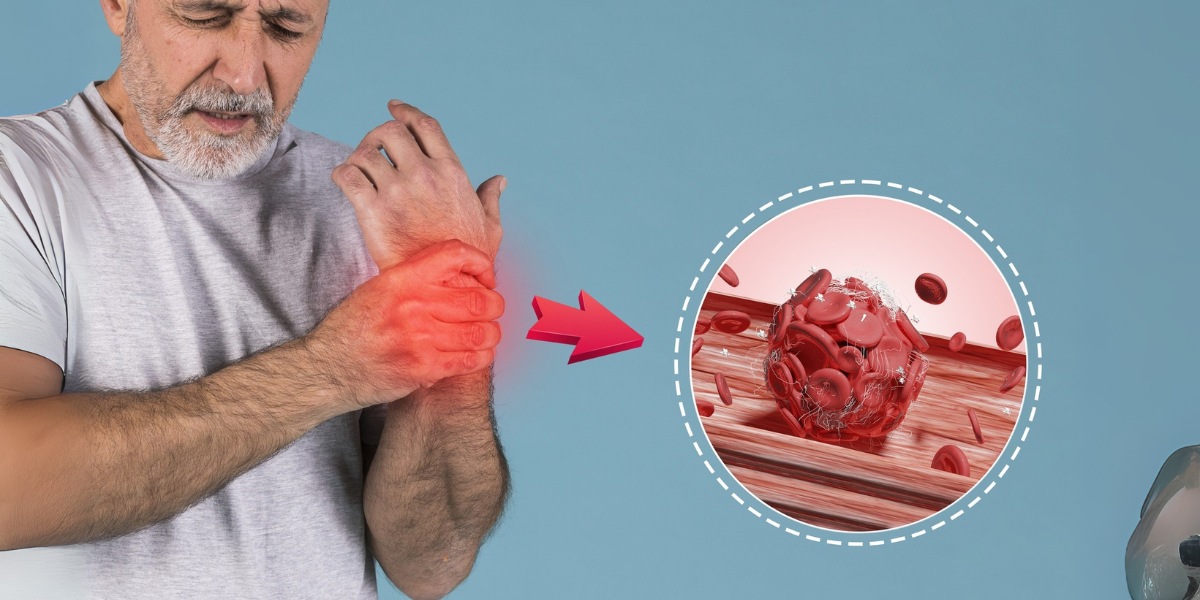
When ischemia progresses to later stages, patients may experience the sensation of tingling and numbness in their limbs. It is a sign that nerves are deprived of oxygen and, hence, blood circulation is severely affected. Sometimes, the sensation is too intense and painful. In severe cases, limbs can get numb completely, including the feet and toes.
Nerve fibers are highly sensitive, and even a slight drop in oxygen can badly affect the blood flow. If sensations are ignored or untreated, it can lead to complete sensory loss. Patients may find it hard to notice infections or injuries in their limbs. It is vital to manage this sign to prevent further PAD complications.
5. Paralysis
At the advanced PAD stage, the affected limb can even lose its strength, which leads to movement loss. If PAD is not treated, the patient cannot move their legs. They may feel heaviness or weakness while attempting to move their limbs. There can be severe dysfunction in muscles and nerves if any patient is suffering from prolonged ischemia.
The affected limb gets paralyzed if there is a shortage of oxygen supply and nutrients. It can be the late P’s of PAD, which leads to permanent damage or gangrene. If such a thing happens, urgent revascularization or surgery is required. It happens only when you are at the irreversible stage, and medications will not work anymore. It is necessary to be in touch with your vascular expert for critical care.
6. Poikilothermia
Due to poor blood flow in the arteries, the affected limb cannot regulate body temperature. It feels colder than other body parts. By touching both limbs, you can easily compare and find the cold and affected limb. Even if you try to keep it warm, it stays the same. You may experience this symptom in the later stages of PAD.
The cold leg feels uncomfortable because of reduced oxygen and blood supply. If ignored, the leg tissue may not survive longer. Therefore, it is crucial to address this sign immediately. When PAD gets unmanaged, it gets tough to regain circulation of blood in the affected leg. When you observe this sign, it means that your condition is irreversible and no specific treatment is left for further improvement.
Recognize The 6 P’s Of Peripheral Arterial Disease To Get Timely Treatment
To save yourself from progressive PAD, it is essential to observe your health and manage the disease. Understand and recognize the 6 P’s of PAD before it gets worse, and start getting the right treatment on time. Connect with the Advanced Medical Group to diagnose your symptoms and know more about your health. Explain your symptoms to the doctor and initiate the proper treatment.
Manage your condition by maintaining your BP, blood sugar, cholesterol, etc. Save yourself from severe complications of PAD by understanding your symptoms and taking action immediately. If you delay your treatment, the blood flow in the limbs will get worse with time. Consider this life-saving guide to keep your arteries working efficiently and prevent getting these symptoms for better health.