 Patient Login
 (201) 581-6100
Understanding The Connection Between Diabetes & Peripheral Artery Disease
The medical condition called PAD results from constricted arteries that reduce blood flow until limb pain emerges and develops into dangerous foot ulcers that may require surgical whole-limb removal. The chances that PAD will develop increase at dangerous levels for diabetic patients since diabetes leads to vascular deterioration. Studies indicate that diabetes patients have a PAD development risk of 2 to 7 times that of non-diabetic patients, while demographic-based prevalence rates exist between 9% and 55% in diabetic patient groups. The blog explores the correlation between Diabetes and PAD and explains the risks and symptoms alongside prevention strategies and management techniques.
How Are Diabetes & PAD Interrelated?
The progression of PAD starts because diabetic patients face vascular complications. PAD develops because diabetes patients endure persistent elevated blood sugar levels, which cause vascular inflammation combined with artery dysfunction and accelerated vessel stiffening. Damage to the arteries results from diabetes-related dyslipidemia through elevated triglyceride amounts combined with decreased HDL cholesterol and increased small, dense LDL particles in patients.
People with diabetes experience heightened blood clotting together with increased reactive platelet activity, resulting in a prothrombotic state. PAD advances at a faster rate among diabetic patients in comparison to non-diabetic patients because of this interconnected process. PAD risk increases substantially because insulin resistance and advanced glycation end products interrupt the normal functioning of blood vessels.
The combination of diabetes along with PAD results in a more serious PAD manifestation. Such a dual impact between PAD and diabetes requires unique, specialized healthcare delivery to these patients.
Risk And PAD Symptoms In Diabetic Patients
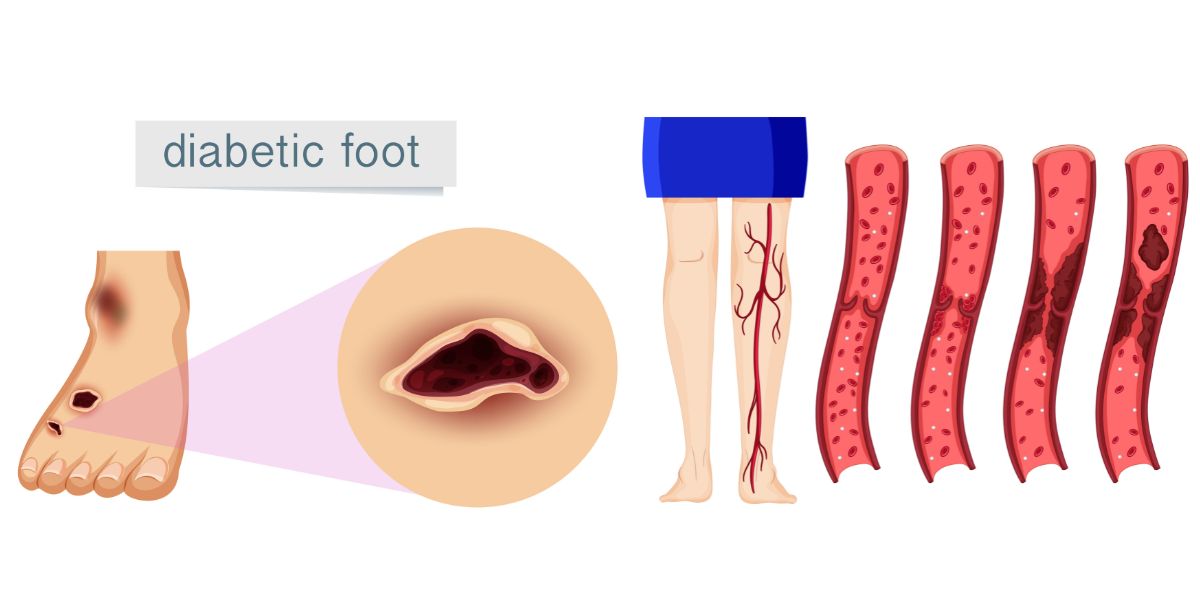
Patients face increased dangers when risk factors combine with diabetes and PAD since these elements cause more damage to blood vessels. High blood glucose levels experienced by diabetic patients accelerate atherosclerosis, thereby leading to arterial rigidity along with plaque formation. Diabetic patients face increased arterial damage when they have dyslipidemia since elevated triglycerides alongside low high-density lipoprotein (HDL) cholesterol create harm to the arteries. PAD development risk and its complications intensify when patients experience multiple risk factors together. Diabetic microvascular disease leads to worsening effects of PAD, specifically in the feet and lower legs, which results in a greater risk for developing ulcers and infections. Diabetic patients experience elevated PAD risks because diabetes combines with existing cardiovascular risk factors, including:
- Obesity
- Physical inactivity
- Smoking
- High blood pressure
- Abnormal cholesterol levels
- Chronic kidney disease
- Family history of cardiovascular disease or stroke
An additional risk of further damage to the blood vessels can arise because of the connection between Diabetes and PAD.
The symptoms of PAD in diabetic patients range from mild discomfort to severe medical complications. Common symptoms include:
- Intense leg cramping or pain develops when walking (claudication)
- Numbness or weakness in the legs
- Slow healing leads to foot sores or ulcers.
- One foot feeling colder than the other
- Discoloration or shiny skin on the legs
- Gangrene (in advanced cases)
Physicians can implement proper interventions when patients show early symptoms to prevent life-threatening complications that require amputation. Regular PAD screening through non-invasive ankle-brachial index tests becomes essential for diabetic patients because neuropathy can cause unusual or no symptoms. Early diagnosis enables healthcare providers to begin effective PAD treatment plans that boost blood circulation while managing risk elements that reduce disease advancement.
Pad Control Measures For Diabetic Patients
The preventive PAD treatment in diabetic patients requires support for diabetes management with cardiovascular disease prevention strategies.
Preventive measures for PAD in diabetic patients require a combination of support for diabetes control and cardiovascular disease protection approaches. Key strategies include
1. Blood Glucose Control
Optimal glucose level maintenance protects diabetic patients from vascular complications, which occur as a result of diabetes.
2. Healthy Diet
A healthy diet made of whole grains together with lean proteins, along with plenty of fruits and vegetables and the avoidance of saturated fat, allows the body to maintain healthy blood vessels.
3. Regular Exercise
Regular exercise practices lead to better bloodstream circulation as they decrease patients’ risk of high blood pressure and obesity.
4. Smoking Cessation
When patients quit smoking, they experience significant reductions in the risk of PAD advancement.
5. Routine Foot Care
Regular foot examinations assist medical professionals in identifying PAD conditions among diabetic patients to protect them from foot infections which typically affect this demographic.
Management Approaches
PAD treatment calls for specialized care, which should adapt to each patient’s condition through a combined medical team approach such as:
1. Medications
- Patients who take aspirin or clopidogrel reduce their risk of blood clot formation.
- Statins manage cholesterol levels.
- Cilostazol improves claudication symptoms.
2. Advanced Treatments
- Severe cases require revascularization processes to restore blood circulation.
- The use of novel diabetes medications, including GLP-1 receptor agonists (GLP-1RA) and SGLT2 inhibitors, demonstrates potential cardiovascular advantages for diabetic patients experiencing peripheral artery disease (PAD).
3. Lifestyle Modifications
- Standard exercise plans coupled with structured physical activities help people regain their ability to move while improving blood flow in their bodies.
- Weight management reduces strain on arteries.
4. Cost Considerations
The PAD treatment cost depends on the severity and the selected therapy options. Aspirin remains one of the most affordable medications, with an annual cost of $6, but advanced treatments such as revascularization become significantly more expensive.
Diabetic patients who combine medical interventions with lifestyle changes obtain success in managing PAD while improving their quality of life.
Your Journey To Better Health Starts Now
Diabetes mellitus patients develop peripheral artery disease when pathophysiological factors exacerbate their vascular damage.
The appearance of walking pain in legs and delayed foot wound healing represents early warning signs that patients should detect to stop gangrene progress or amputation.
Diabetes and peripheral artery treatment require individualized drug therapy along with modern approaches to care and lifestyle modifications for both conditions. Healthcare providers who apply personalized patient care methods alongside prevention programs succeed in minimizing the effects of these related medical conditions.
Peripheral artery disease must not take away your mobility. Your awareness and active healthcare strategies with the support of an Advanced Medical Group can create the foundation for improved health, which leads to a brighter future ahead.