 Patient Login
 (201) 581-6100
A Complete Guide To Peripheral Artery Disease
Peripheral Artery disease (PAD) is a serious health problem that restricts your blood flow due to damaged or narrowed arteries. It is hard to realize that you are suffering from this disease till it gets worse. Lifestyle modifications can help in managing and preventing this painful condition.
It may get worse if you ignore the symptoms, hence, lead to a heart attack or stroke. Know all the details regarding PAD to prevent complications. You can live a long, healthy life by managing this disease properly.
Follow the Peripheral artery disease treatment guidelines to manage your disease and live with better health. From symptoms to treatment options, know everything about the PAD condition to give the right direction to your life.
Understanding PAD Condition
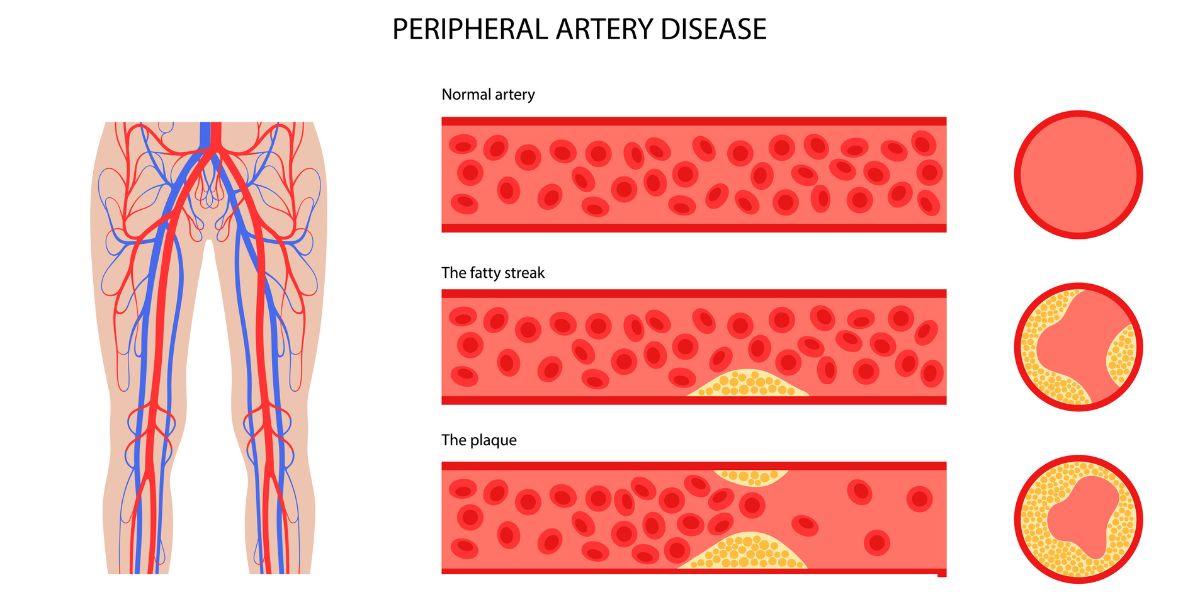
Generally, arteries are responsible for carrying and circulating blood throughout our body. But when fat starts accumulating in your arteries, it slows down the blood circulation, which can cause atherosclerosis. Certain risk factors lead to PAD, high blood pressure, diabetes, cholesterol, etc. Manage these PAD risk factors to avoid severe complications.
PAD Signs To Look For
You may observe mild to severe PAD signs, such as:
- Cramping and pain in the legs while walking or indulging in any physical activity
- Swelling or numbness in legs
- Feeling cold in one or both legs
- Wounds are taking longer to heal
- Skin color is changing
- Experiencing hair loss in your legs
- Weak pulse
Treatment Guidelines For PAD
Follow the listed guidelines to manage this condition and live a healthy life:
1. Consume A Healthy Diet
Your body’s health mostly depends on the food that you consume all day. By consuming a healthy diet and adapting to an active lifestyle, you can prevent PAD. Add more fruits and vegetables to your diet for more fiber and vitamins.
You must avoid consuming sugary foods, saturated fats, and excessive salt. Increased levels of blood pressure and blood sugar are due to poor diet. People consuming unhealthy diets suffer from PAD and experience severe complications if they ignore it.
2. Have An Active Lifestyle
To reduce PAD signs, stay active physically. Start walking as anyone can do it, as it is easy and effective. It improves blood flow in your limbs. Other low-impact options are also there, such as swimming or cycling for better cardiovascular health.
Do strength training to build muscles and enhance mobility. While doing exercises, rest enough to continue it for a long time and improve blood flow.
3. Discontinue Smoking
Smoking reduces the oxygen supply in your body and can also damage your arteries severely. There are chances that smokers may have atherosclerosis and other PAD complications if they do not quit their habit.
If your body shows any PAD signs, you should immediately discontinue smoking. You can slow down the speed of the disease by escalating oxygen levels in your body.
4. Manage High Cholesterol And Blood Pressure
Other important reasons that cause artery damage are high cholesterol and blood pressure. Take medications, eat a healthy diet and have an active lifestyle to control blood pressure and prevent PAD.
Talk to your doctor before taking any medications to treat hypertension and cholesterol. Switch to a healthy diet by adding lean protein, healthy fats, and fiber-rich foods. Keep checking your blood pressure to manage it effectively.
5. Manage Your Blood Sugar Levels
Diabetes is another major cause of PAD, which needs to be managed to prevent getting worse. Monitor the sugar levels of your body regularly to manage them effectively.
Never skip your medicines, eat healthy, and exercise to prevent complications. Managing your blood sugar levels can prevent artery damage and protect you from PAD symptoms.
6. Reduce Your Weight
When you get obese or have extra weight, your arteries start blocking due to additional stress. It leads to poor blood circulation and PAD symptoms. It is better to shed some weight by diet and an active lifestyle.
It will not only improve your blood circulation but also get relief from painful PAD symptoms. Managing your weight is an effective peripheral artery treatment. Check your BMI and maintain your weight to stay healthy.
Lifestyle Adjustments For PAD Prevention
To prevent this disease, you must change your lifestyle in the following ways:
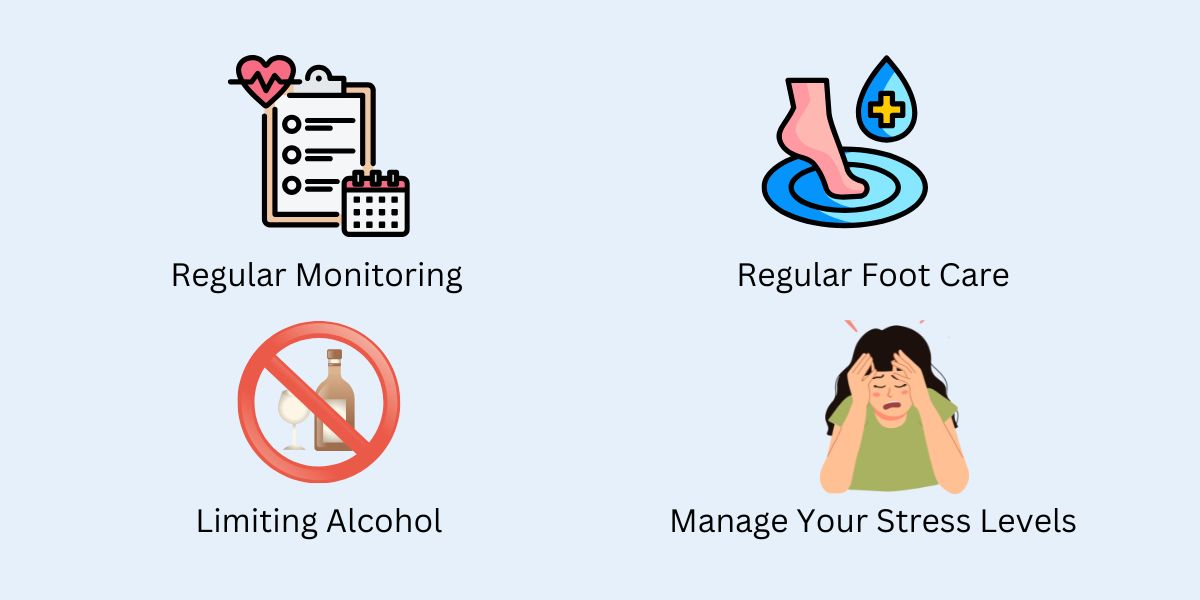
1. Regular Monitoring Of Your Health
To manage PAD progression, it is vital to do regular health check-ups. Track your blood sugar, cholesterol, and blood pressure levels to keep them in control. Consume medicines as prescribed by your doctor. It is an effective strategy to manage PAD risk factors and live a healthy life.
2. Regular Foot Care
People suffering from PAD have poor circulation of blood in their legs and feet. It is essential to do foot care regularly to avoid complications. Keep checking your foot health to avoid further infections or sores. You should always wear well-fitted shoes to prevent injuries and to walk comfortably. Keep your feet clean and moisturized to prevent dry skin.
3. Manage Your Stress Levels
Stress is the main reason for poor cardiovascular health, and hence, it must be controlled. Meditation is helpful in relaxing your mind and reducing excessive pressure of blood in the arteries. Engage yourself by indulging in your hobbies or doing outdoor activities. Talk about your problems to someone whom you can rely upon.
4. Limiting Alcohol
Overconsumption of alcohol can increase your blood pressure and even damage your arteries. Limit your alcohol consumption to manage PAD and stay healthy. Adjust your lifestyle to manage or prevent this disease to live a better life.
Follow PAD Guidelines To Stay Healthy
Peripheral artery disease is becoming a common problem in older adults these days. Before its symptoms become painful or ruin your life completely, take the necessary steps to stay active and live a healthy life. When your body shows the signs of PAD, diagnose it immediately by Advanced Medical Group and start your treatment if required.
Change your lifestyle by having a healthy diet, exercising, and taking medications. The best way is to prevent or treat the disease symptoms before it gets complicated with time. No matter what your age is, you need to control your bad habits that lead to peripheral artery disease. Stay healthy and happy!