 Patient Login
 (201) 581-6100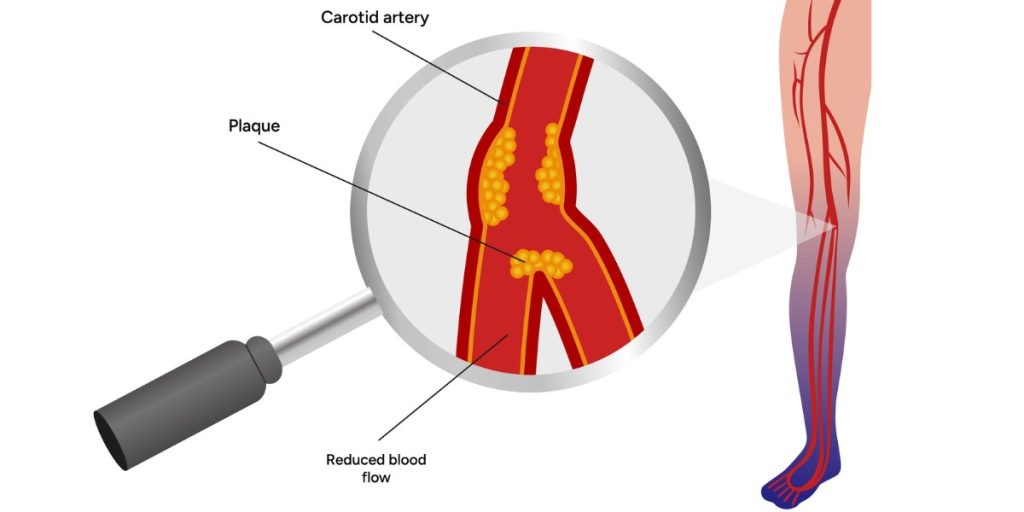
Types of Peripheral Artery Disease Unveiled
It is essential to keep your blood vessels healthy. It helps you feel good overall, yet vascular issues often go unnoticed or are misunderstood. One of the most common of these is Peripheral Artery Disease, or PAD. It impacts millions worldwide, but many take it for granted. They don’t realize how complex it can be, or how vital early detection is.
Complete knowledge of the various peripheral artery diseases, in addition to their symptoms, diagnosis techniques, and their associated treatments, is a must for early diagnosis and good treatment. This comprehensive guide gives information about the types of PAD and disease conditions along with the current peripheral artery disease treatment supported by healthcare organizations and the Advanced Medical Group.
What is Peripheral Artery Disease
Peripheral Artery Disease happens when arteries—especially those in your limbs—get narrowed or blocked due to fatty deposits (also known as plaque). It makes the blood vessels narrow and block. It becomes more difficult for your limbs to receive blood flow, which can cause you pain or distress when you walk or move. PAD will get worse if it is not treated. It is vital to catch PAD at early stages, because it prevents the serious complications that may occur in the future.
Some individuals with PAD do not have symptoms. The importance of regular screening tests exists because they enable early detection and treatment of the condition. The PAD treatment costs through surgery differ substantially based on national healthcare systems, individual institutions, and the treatment options chosen by patients.
Major Types of Peripheral Artery Disease
PAD represents multiple disorders that appear across different arteries in the body. Healthcare professionals identify and treat major types of PAD with these definitions, diagnosis methods, and treatment approaches:
Lower-Extremity PAD
The most typical presentation of PAD involves the blockage of arteries that supply blood to the legs and feet. The reduced blood flow in PAD causes walking-related pain (claudication), while severe cases show either rest pain or non-healing ulcers.
Diagnosis:
- Medical experts evaluate skin conditions and examine pulses and signs of ulcers through physical examination.
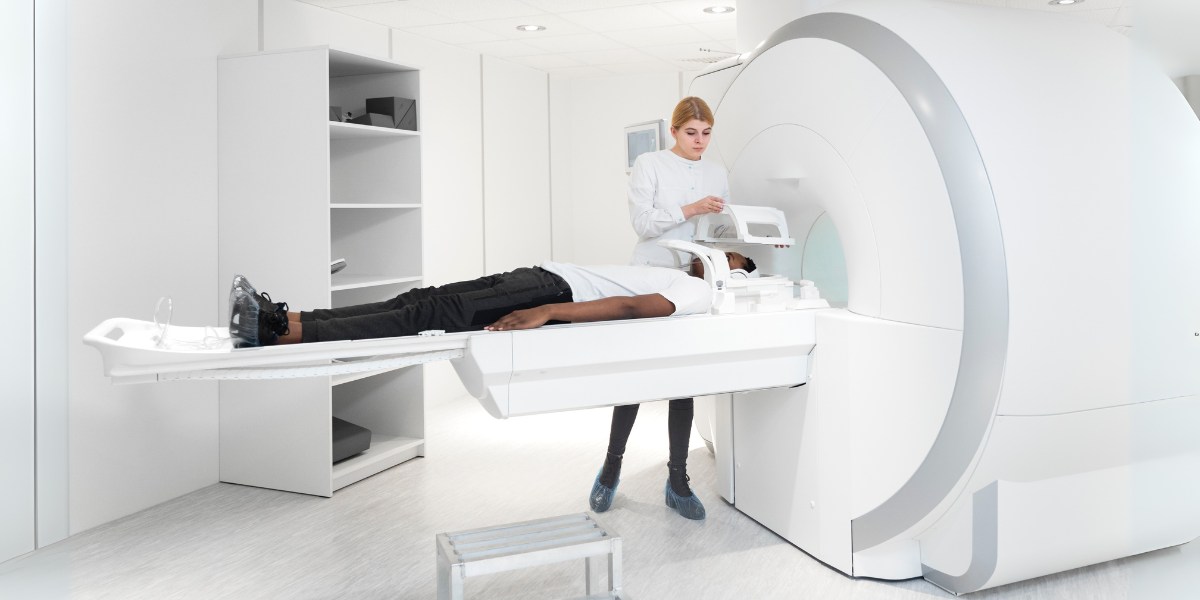
- Doctors can perform an ultrasound, CT angiography, or MRI tests.
- Healthcare providers use the Ankle-Brachial Index (ABI) as a simple diagnostic test.
- This test compares blood pressure measurements between the arm and ankle regions.
- PAD2 diagnosis becomes likely when ankle blood pressure shows a value less than 0.90.
Treatment:
- Medications include cholesterol-lowering drugs, blood thinners, blood pressure medicine, and vasodilators.
- Patients must adopt lifestyle changes that primarily include stopping smoking, regular exercise, and following a balanced diet.
- The medical procedures of angioplasty and stenting, together with the bypass surgery.
- The patient needs supervised exercise therapy for distance walking improvement.
Upper-Extremity PAD
This rarer PAD version affects arteries that supply blood flow to the upper body, particularly the arms, hands, and fingers. Activity-related pain or weakness, or fatigue in the arms, represent symptoms of Upper-Extremity PAD.
Diagnosis and Treatment:
The diagnostic protocol mirrors lower-extremity PAD but involves using ABI scans on arm arteries plus possible imaging procedures. Patients receive care through risk factor control strategies and need revascularization procedures as needed.
Carotid Artery Disease
Carotid Artery Disease affects the arteries in the neck that supply blood to the brain. Blockages in these arteries increase the risk of a stroke, which can lead to serious brain damage or disability if not treated.
Diagnosis:
- Carotid ultrasound
- CT or MR angiography
Treatment:
- Medications for blood pressure and cholesterol
- Doctors perform carotid endarterectomy along with stenting procedures to treat severe blockages in the arteries.
Mesenteric Artery Disease
The disease affects the arteries that provide blood supply to the intestines. The condition presents with abdominal pain following meals and weight reduction as its main symptoms.
Diagnosis:
- Imaging: CT angiography or MRI
Treatment:
- Lifestyle changes and medication management.
- Surgical or endovascular intervention for advanced cases.
Renal Artery Disease
It develops when renal arteries become blocked or narrowed which reduces blood flow to the kidneys. The condition leads to high blood pressure and kidney problems that can cause permanent renal damage unless treated promptly.
Diagnosis:
- Blood tests for kidney function
- Renal artery ultrasound or angiography
Treatment:
- The patients are required to take their Blood pressure.
- People who have arterial blockages might have to go through angioplasty along with stenting therapy.
Special Types and Related Conditions
Medical care should focus on different types of peripheral artery disease and other vascular problems, like venous diseases and aneurysms. Proper treatment helps improve circulation and prevent further issues.
Critical Limb Ischemia (CLI)
The severe PAD condition called CLI leads to chronic rest pain along with non-healing wounds or gangrene. Medical teams categorize CLI as an urgent condition that presents a strong possibility of amputation of limbs.
Diagnosis:
- Medical professionals use both clinical evaluation and imaging tests to measure the degree of blocked arteries.
Treatment:
- Aggressive revascularization that involves angioplasty or a bypass surgery, depending on the severity.
- Life-threatening circumstances may require wound treatment as well as possible amputation to avoid fatal infections.
Venous Disease and Varicose Veins
Some vascular specialists who focus on treating PAD also oversee venous disease patients due to their combined occurrence with PAD.
- Duplex ultrasound for diagnosis
- Compression therapy, sclerotherapy, or surgery for management.
Abdominal Aortic Aneurysm (AAA) AAA
functions as a related condition to classic PAD because it results in aorta dilation, which places patients at risk for rupture.
Diagnosis:
- Abdominal ultrasound or CT scan
Treatment:
- Monitoring for small aneurysms.
- Surgical repair for larger or symptomatic aneurysms.
Moving Forward With Peripheral Artery Disease
The successful treatment of peripheral artery disease depends on patient understanding the conditons and symptomes as well as medical provider awareness of different types of peripheral artery disease. Following any PAD warning signs, you must see a vascular specialist or visit the Advanced Medical Group for PAD evaluation. The successful management of peripheral artery disease requires proactivity because it leads to better health outcomes and increased physical activity.
The best way to look after your health is to start today and make small, consistent changes!