 Patient Login
 (201) 581-6100
Are Varicose Veins Genetic And How Does Family History Affect Your Vein Health
Are varicose veins genetic? Doctors hear this question all the time. If someone in your family, especially your parents, has this disease, it’s natural to wonder if the same might happen to you simply because of genetics.
The short answer is yes, genetics can play a major role. If varicose veins run in your family, your risk is higher, but having a family history doesn’t mean you’ll definitely develop them.
A number of factors play a role in determining vein health. Your genes may set the stage, but your lifestyle, age, and daily habits also have a huge impact.
Some people with a strong family history never develop noticeable symptoms. Others may see early changes even without a clear genetic link.
What genetics really affect is how your veins function over time. This includes how strong the walls of your veins are and how well the valves move blood.
When these systems don’t work as efficiently, pressure can build up and create issues.
What Research Shows And How Genetics Affects Your Veins
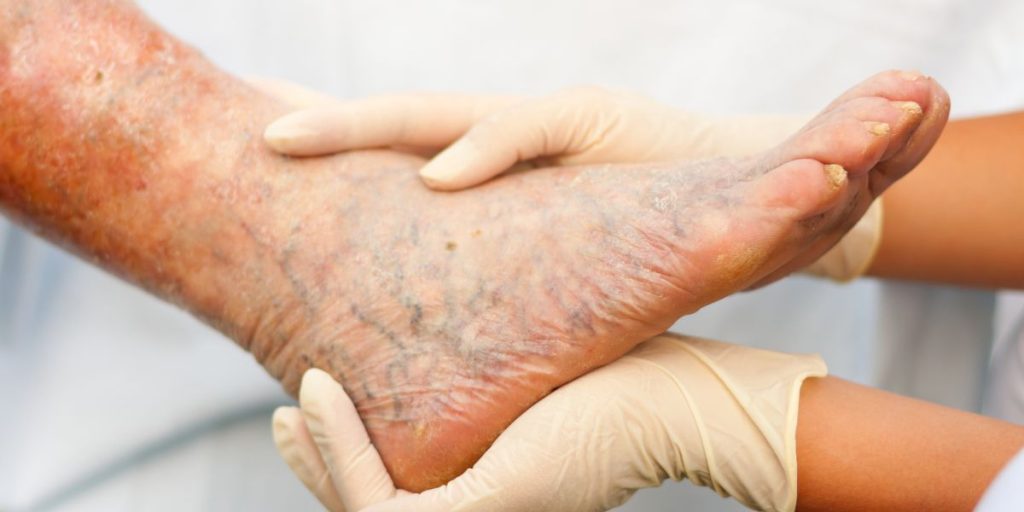
Are varicose veins a genetic disorder? Research shows that family history is one of the strongest predictors of varicose veins. If one parent has them, your risk increases. If both parents are affected, that risk rises even more.
This is why you’ll often see patterns within families. In some instances, you may even find multiple generations suffering from the same vein issues.
That said, varicose veins aren’t genetic in every case. Many people develop them without any known family history, which points to other contributing factors.
The Vein Issues You May Inherit:
This is one of the most prominent ways genetics affects how healthy your veins are. Some people naturally have veins that are less elastic.
Over time, these veins are more likely to stretch under pressure. When that happens, they don’t return to their original shape as easily.
This makes it harder for blood to move upward efficiently. It especially happens in the legs, where gravity is already working against circulation.
Why Valve Issues May Run In families:
Inside your veins are tiny one-way valves that keep blood flowing. If these valves stop working as they should, blood can flow backward or start to pool.
This is a major cause of varicose veins. In many cases, this type of valve-related issue is inherited. If your body is more prone to developing weaker valves, the chances of blood pooling will increase over time.
Genetics Can Also Affect Circulation Over Time:
Genetics can influence how well your overall circulation functions. This includes how your veins handle pressure and push blood back up from the lower body.
Pressure can build up gradually, even when circulation is only slightly less efficient. You may not notice it at first. But over the years, this added strain can lead to visible problems.
Why Varicose Veins Are Genetic But Not Guaranteed:
So yes, varicose veins are genetic to a large extent. But that doesn’t mean they’re unavoidable.
Genetics can increase your susceptibility. But other factors often determine whether you’ll actually develop the condition. Lifestyle, movement, weight, and even your daily routine play a role in that.
This is why two people from the same family can have very different experiences. One may develop noticeable veins early, while the other may never deal with them at all.
Are Varicose Veins A Genetic Disorder Or A Risk Factor?
Varicose veins are not classified as a genetic disorder. They don’t follow a fixed inheritance pattern. So, a single gene doesn’t directly cause the condition.
Instead, several factors work together to influence whether you’ll develop the condition.
So, even if genetics plays a role, it acts more like a risk factor. You may inherit traits that make you more prone to developing vein issues. But those traits don’t guarantee varicose veins.
This is different from true genetic conditions. There, a specific mutation leads to a predictable outcome. With varicose veins, there’s no single gene responsible.
Are Varicose Veins Genetic Through Mother or Father?
A common question people have is whether varicose veins are passed down from one specific parent. The short answer is that they can come from either.
There isn’t a strict pattern where the condition is inherited only from the mother or the father. If either parent has varicose veins, your risk increases. If both parents are affected, the likelihood becomes even higher.
You might also notice that varicose veins are more common in women. So, people often assume that the disease is passed down through the mother.
But that’s not entirely accurate. Women may develop this condition more due to hormonal factors, such as pregnancy and estrogen levels.
What Happens When Genetics Combine With Other Risk Factors
Even if you have genetics on your side, certain other factors can increase your chances of developing the condition.
Things like age, hormones, and prolonged pressure on the legs can all play a role. Ask any varicose vein doctors, and they’ll explain how the following factors contribute.
Your Veins Weaken As You Age:
As you get older, your veins naturally lose some of their elasticity. If your veins are already genetically weaker, this process becomes more noticeable over time.
The walls stretch more easily. The valves may not close as effectively. This gradual decline is one reason varicose veins often appear later in life. It happens even if the underlying risk was always there.
Hormones Play A Crucial Role, Too:
The health of your veins may deteriorate because of hormones. Estrogen, in particular, can relax vein walls and affect how well valves function.
This is why varicose veins are more common during pregnancy and menopause. The same holds true when you are undergoing hormonal treatments.
If you already have a genetic predisposition, these hormonal shifts can accelerate the process.
Lifestyle Can Increase Pressure On Your Veins:
Daily habits matter more than most people think. Long periods of standing or sitting reduce blood flow. It also increases pressure in the leg veins.
If your veins are already prone to weakness, this added pressure can push them past their limit. Over time, it becomes harder for blood to move upward efficiently.
Excess weight can also put additional pressure on your veins. That’s especially noticeable in the lower body.
If you’ve been diagnosed, you should start varicose vein treatment immediately. Getting on the correct treatment plan early on can be a lifesaver.
Get The Right Care For Varicose Veins With The Right Experts
Looking for varicose veins treatment in NJ? Then, you need to look beyond temporary fixes and focus on addressing the root cause of the problem.
Varicose veins often develop over time. Both genetics and lifestyle factors can influence how fast the disease progresses. That’s why you need the correct diagnosis and treatment plan.
That’s precisely what you’ll find here at Advanced Medical Group. We take a personalised approach to treating our patients.
Our focus is on identifying what’s happening beneath the surface and recommending treatments that are both effective and minimally invasive.