 Patient Login
 (201) 581-6100
Signs That Indicate You May Need Varithena Treatment For Varicose Veins
Varicose veins don’t always start with visible bulging. Sometimes, the first warning signs are things like feeling heaviness, aching, or tiredness in your legs that just won’t go away.
If that sounds familiar, you may have come across the Varithena treatment while looking for answers. It’s an FDA-approved injectable foam that treats varicose veins by collapsing the damaged vein and rerouting blood to healthier ones. No surgery. No general anesthesia. Done right in the office.
But it’s not for everyone. And knowing the key signs that indicate you may need Varithena treatment can help you figure out if it’s worth bringing up with your doctor.
Persistent Leg Pain That Gets Worse As The Day Goes On
One of the earliest symptoms that suggests you may need Varithena treatment is a dull ache in your legs that builds throughout the day. It’s not the same as soreness after a workout. This kind of pain creeps in after sitting or standing too long and doesn’t really let up with stretching.
You might notice it first at work. Or while cooking dinner. Or during a walk that used to feel easy. The pattern tends to be better consistent in the morning and worse by evening.
When this discomfort starts changing what you do or how long you can stay on your feet, it’s a sign your veins may need more than rest.
Bulging Veins That Keep Getting Worse
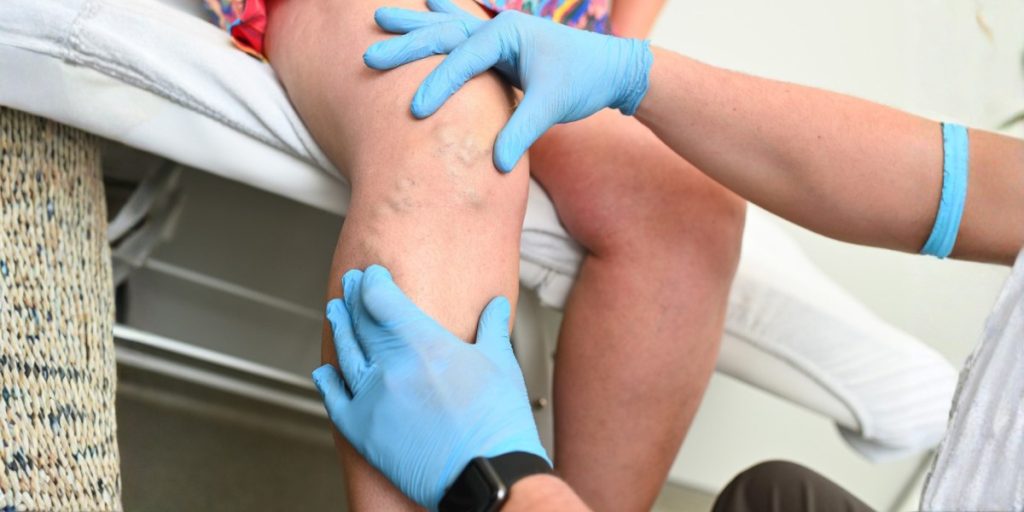
Most people know what varicose veins look like: twisted, raised, rope-like veins that show through the skin. But what really matters is whether they’re progressing.
If you’re noticing new ones popping up or the existing ones are becoming more prominent, the valve dysfunction underneath is likely getting worse. Compression stockings can help manage symptoms, but they can’t fix damaged valves.
Varithena varicose vein treatment works especially well for veins that are large, twisted, or hard to reach with heat-based procedures. So if your veins are spreading despite doing everything right, this is one of the clues that suggest you may need Varithena treatment.
Swelling In The Lower Legs Or Ankles
Swelling that shows up around your ankles or lower legs toward the end of the day is easy to brush off. But when it keeps happening, it’s worth paying attention to.
It usually means blood is pooling in the veins and pushing fluid into the surrounding tissue. You might notice your shoes feel tighter by evening. Or pressing your finger into your ankle leaves a little dent that stays for a few seconds.
If this is becoming a regular thing, not just after an unusually long day, healthcare professionals recommend getting your veins checked. Consistent swelling is one of the more reliable signs that the vein disease is moving forward.
Heaviness And Fatigue That Rest Doesn’t Fix
This one is frustrating because it’s hard to explain. Your legs just feel heavy. Like you’re dragging them around. Even on days when you haven’t done much.
And the weird part? Sleep doesn’t fully reset it. You might wake up feeling okay, but within a couple of hours of being upright, that dragging feeling is back.
That’s because your veins aren’t moving blood efficiently back toward your heart. The muscles in your legs aren’t getting enough oxygen-rich blood, even during normal activity. When rest stops helping, it usually means the veins themselves need attention, and Varithena vein treatment is one of the options that can address the root cause.
Itching, Burning, Or Throbbing Along A Vein
These are the symptoms people tend to explain away. Itching? Must be dry skin. Burning? Probably the heat. Throbbing? Just tired legs.
But when the sensation follows the path of a visible vein, it usually tells a different story. The increased pressure and pooling of blood trigger inflammation in the vessel and surrounding tissue. That’s what causes the itch, the burn, and the throb.
If these feelings are getting more frequent or harder to ignore, it’s worth mentioning to a vein specialist. They can be early signals for the vein treatment, not just symptom management.
Skin Changes Near Your Ankles
This is one of the signs that tells doctors the condition has been around for a while. You might notice brownish or dark patches near your ankles. The skin might feel tight, dry, or thicker than it used to.
In some cases, it gets inflamed and flaky, a condition called “stasis dermatitis.” The area may feel sensitive to touch or easily irritated.
These changes happen when long-standing vein pressure forces blood components into the surrounding tissue. According to clinical research, once skin changes show up, the risk of developing a venous ulcer goes up significantly. This is usually the point where vein specialists recommend treating the problem, not just managing it.
Night Cramps Or Restless Legs
Cramps that wake you up in the middle of the night or that restless, crawling feeling in your legs that won’t let you fall asleep, both of these can be tied to vascular dysfunction.
When blood isn’t circulating well through your legs, waste products linger in the muscle tissue. That’s what triggers the sudden cramping or the urge to keep moving your legs.
If it’s happening a few times a week, it’s one of the symptoms that suggests you may need Varithena treatment. Fixing the faulty veins can often calm these nighttime disruptions down.
Wounds On Your Lower Legs That Won’t Heal
This is the most serious sign, and it means you shouldn’t wait. When blood pools in the lower legs for too long, the tissue in that area stops getting enough oxygen. Even a small cut or blister can take weeks to close.
Sometimes, open sores called venous ulcers develop near the inner ankle. They’re painful, slow to heal, and can get infected easily.
If you have a wound on your lower leg that isn’t healing the way it should, getting your veins evaluated is an important step. Varithena treatment can help restore proper flow to the area and support healing from the inside.
When Compression Stockings And Elevation Aren’t Cutting It
A lot of people try the conservative route first: compression stockings, keeping the legs up, staying active. And that’s a perfectly reasonable place to start.
But if you’ve been doing all of that consistently and the symptoms still haven’t improved or they’ve gotten worse, that’s telling you something. The damage may have reached a point where the veins need to be treated directly.
Varithena is designed for exactly this situation. It closes the vein that’s causing the problem so your blood can reroute through healthier ones. If the basics aren’t working anymore, it might be time to have that conversation with your doctor.
What Should You Do If These Signs Sound Familiar?
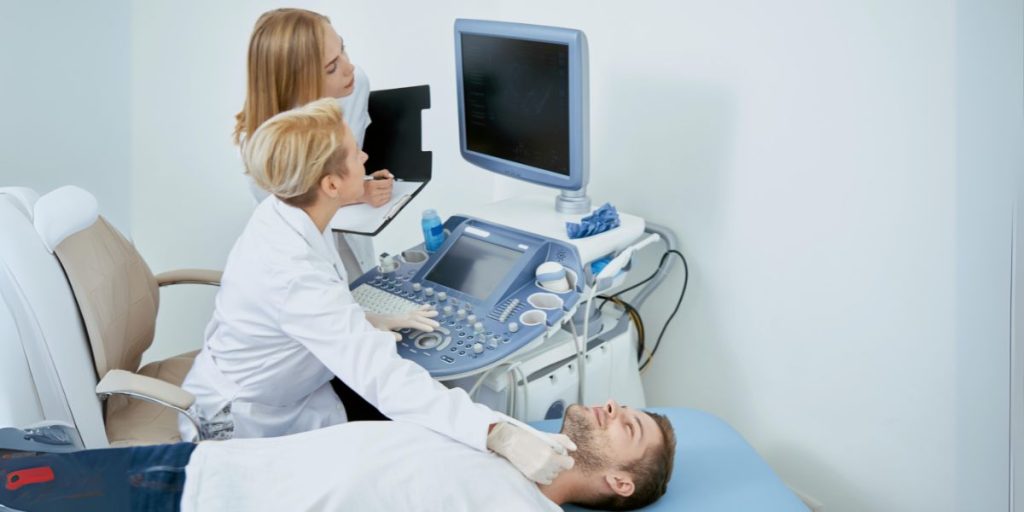
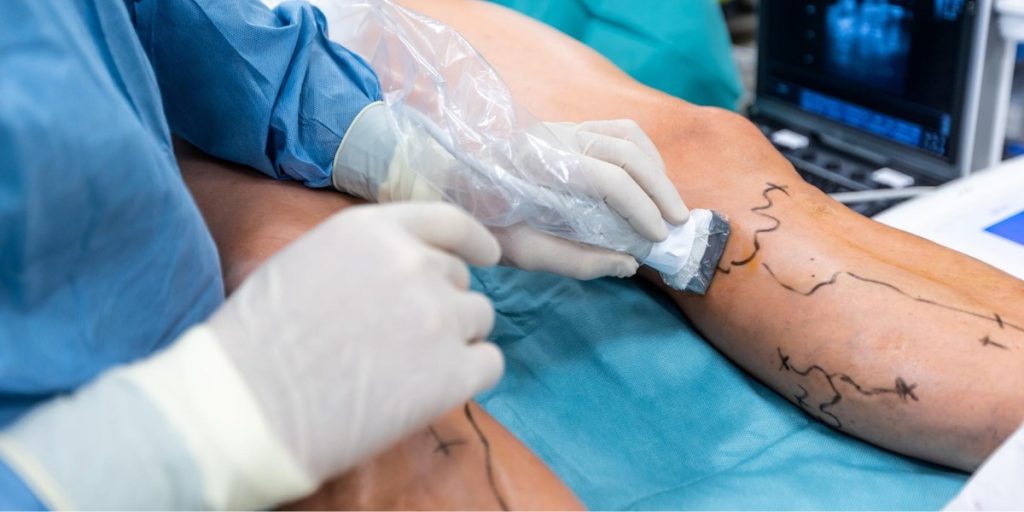
If you’ve been nodding along while reading this, the next step is straightforward: get a proper vein evaluation. An ultrasound can show exactly what’s going on beneath the surface and which veins are responsible for your symptoms.
From there, a vein specialist can tell you whether Varithena is the right approach or if something else would be more suitable. Either way, you’ll have a clear picture of where things stand.
Advanced Medical Group offers vein evaluations at multiple locations across New Jersey. If you’ve been putting up with leg pain, swelling, or any of the signs covered here, it’s worth getting checked. The earlier you address it, the more options you’ll have.