 Patient Login
 (201) 581-6100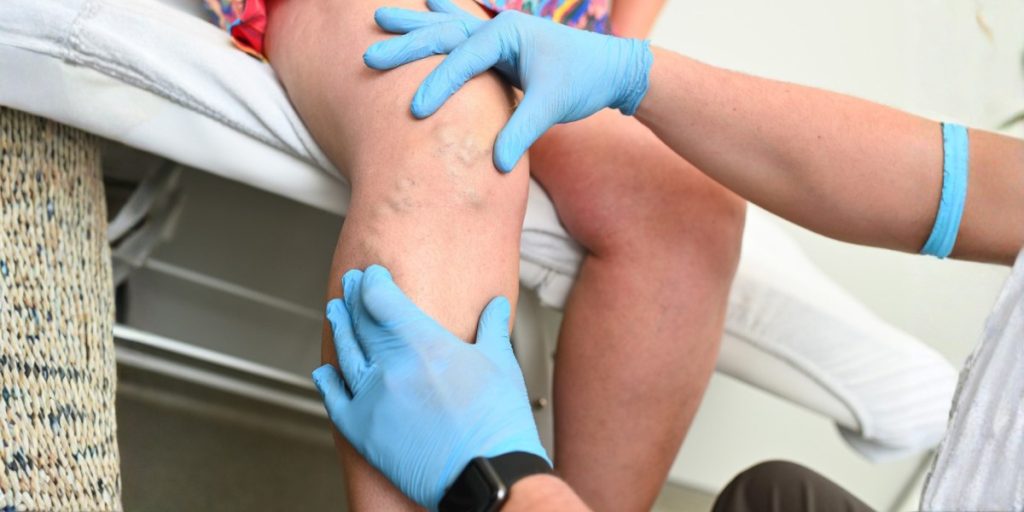
A Step-by-Step Look At What Happens To Vein After Varithena Treatment
It’s natural to feel anxious about undergoing a treatment procedure you’ve probably never heard of before. That’s why it’s important to know what happens to vein after Varithena treatment.
First, let’s address what the treatment is. It is a minimally invasive procedure used to treat varicose veins.
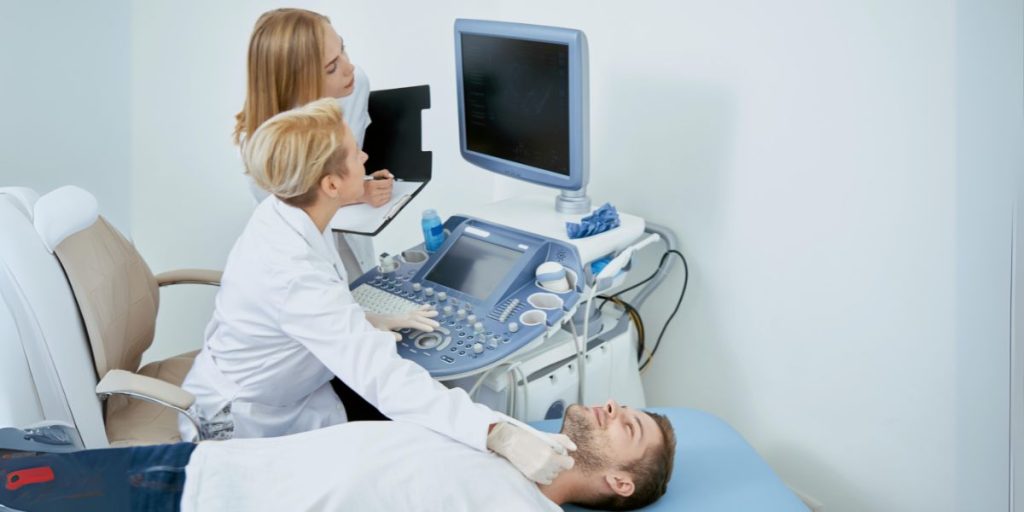
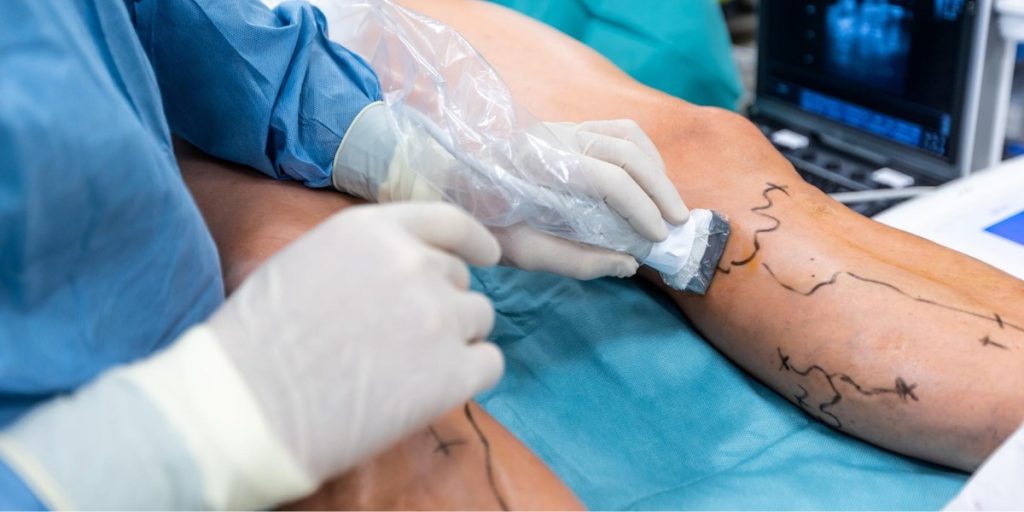
During the procedure, the doctor injects a prescription foam directly into the affected vein while being guided by ultrasound.
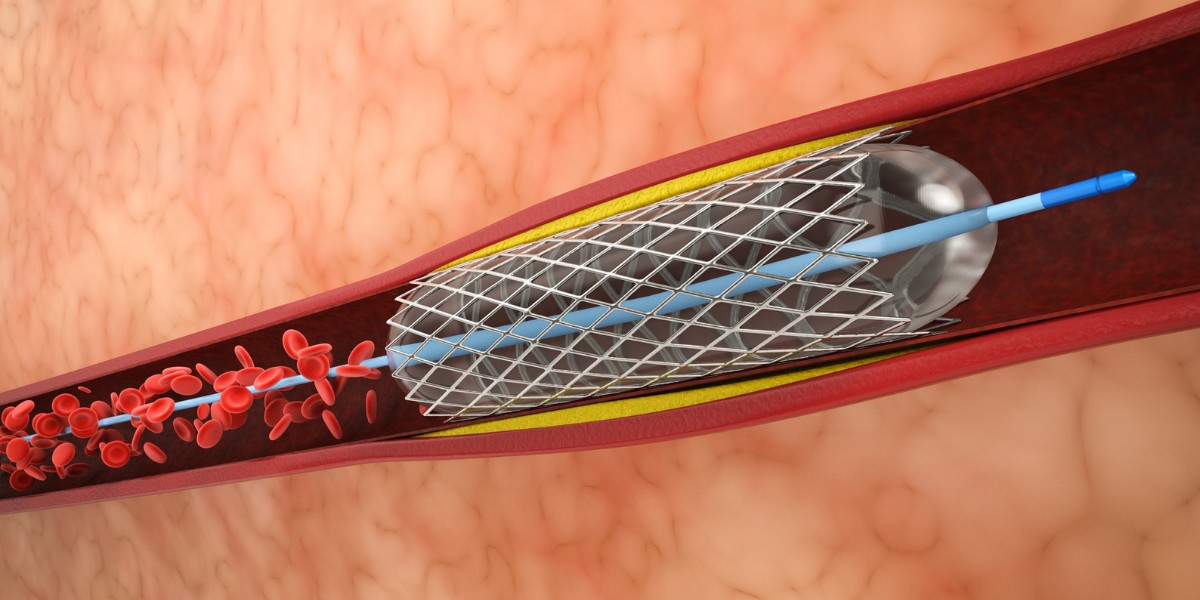
The foam pushes blood out of the vein and irritates the inner lining. This causes the vein walls to collapse and seal shut. This process allows blood to reroute through healthier veins nearby.
The procedure itself is typically performed in an outpatient setting. No incisions are made, and anesthesia is usually not required.
Most patients are able to walk immediately after treatment and return to routine activities the same day.
Exploring What Happens To Vein After Varithena Treatment
After Varithena is injected into a vein, it stays and prevents that vein from carrying blood. The body starts treating the vein as tissue that is no longer needed. Surrounding veins continue to function normally.
Patients don’t feel these changes in real time. But they explain why physical changes appear slowly after the treatment. It can take days and sometimes weeks to show effects.
With that foundation in mind, it should be easier for you to understand what happens to a vein after Varithena treatment.
Blood Gets pushed Out Of The Affected Vein
Once Varithena is injected and the foam pushes blood out of the way, the affected vein tightens and collapses. That particular vein stops circulating blood. So, the flow is redirected into nearby healthy veins.
This change in circulation does not put any extra strain on your heart. And it doesn’t cut off the blood supply to the leg. You will likely not even feel any changes as they occur. There is usually no sudden internal sensation of the vein closing.
If you experience any discomfort after the treatment, it is likely from mild inflammation around the treated area. It’s usually not from the blood flow changes themselves.
The Vein Walls Get Sealed Shut
Next, what happens to the vein after Varithena? It stays closed because the inner lining has been intentionally damaged.
Because of this damage, the vein doesn’t reopen or carry blood again. Over time, the walls of the vein stick together and form a sealed channel.
The body responds to the closed vein in the same way it would respond to other tissue that it no longer uses. Inflammation develops along the wall of the vein, followed by gradual scarring.
This process is known as fibrosis, and it plays a key role in making the closure permanent.
That’s why Varithena vein treatment is unlike any other varicose vein treatment. Rather than compressing a vein from the outside, it closes the vein from the inside.
Blood Flow Gets Redirected To Healthy Veins
Closing a diseased vein doesn’t reduce overall circulation in the leg. In varicose veins, blood is already moving inefficiently due to faulty valves.
By stopping flow through the problem vein, Varithena treatment allows blood to take a more direct path through healthier veins.
These healthier veins have working valves and stronger walls. As blood flow is rerouted, pressure in the superficial veins decreases. Because this pressure reduces, symptoms like heaviness, aching, or swelling go away over time.
The body does not need the treated vein to maintain proper circulation. Instead, it relies on the deep and healthy superficial veins that are already present.
This natural redistribution of blood flow is a normal and expected part of recovery after Varithena varicose vein treatment.
The Treated Vein Breaks Down Over Time
After the vein stops circulating blood, the body starts a slow cleanup process. The vein gradually turns into a firm, scar-like tissue. It is then broken down further over time.
This doesn’t happen at once. The body’s immune system clears the vein in various stages.
That’s why you may notice the area feels firm or cord-like for several weeks.
These changes aren’t signs of damage. They are signs of healing. The vein doesn’t get “dissolved” suddenly. And it doesn’t release any material into the bloodstream.
Eventually, the treated vein becomes much smaller and may not be noticeable at all. In some cases, it stays as inactive tissue without causing any symptoms.
The Treated Vein Stays Shut Over Time
A common concern with any varicose vein treatment is whether the vein can reopen later. With Varithena, the risk of reopening is low. That’s because the vein has been permanently altered from the inside.
The scarring process that occurs after treatment prevents blood from flowing through the vein again. Compression alone relies on external pressure. However, Varithena treatment changes the structure of the vein wall itself.
Once fibrosis has formed, the vein no longer has the ability to expand or function as a vessel. When varicose veins return after treatment, it is usually due to the progression of vein disease in other veins.
Nearby Veins Carry On The Blood Supply Normally
Closing the affected vein changes how blood moves through the surrounding area. Nearby healthy veins take on more flow, which they are usually fully equipped to do. The veins adapt without any difficulty.
Because this process reduces pressure, you notice the symptoms disappear slowly. Swelling may go down, and so will the aching feeling. The skin irritation that varicose veins cause may also be resolved.
Timeline Of Vein Changes After Varithena Treatment
To properly understand what happens after varithena treatment, we need to look at the timeline as well.
The timing of changes after the treatment varies from person to person, but the overall pattern remains the same.
In the first few days, the vein closes, and inflammation begins. During this period, you may notice a mild tenderness or a sense of tightness in the area.
Over the next several weeks, the vein continues to harden, and fibrosis develops. Then, the area may feel lumpy or firm to the touch. It happens especially when you stand up.
Visually, you may not notice any changes at first. But you’ll start to see improvements after some more time has passed.
By the two or three-month mark, most of the internal changes settle. The vein typically shrinks, softens, and becomes less visible.
Getting The Best Varicose Veins Treatments
Once you know what happens to vein after Varithena treatment, it’s easy to feel confident about the treatment. But for the treatment to have desired results, you need to make sure to get it done by experts.
At Advanced Medical Group, you will find the best varicose vein treatments. Our doctors are trained in Varithena treatment and have successfully administered it on several patients.
Get a consultation today to know about your diagnosis and treatment plan.