 Patient Login
 (201) 581-6100
Essential Guide To Peripheral Arterial Disease In Elderly
Peripheral Arterial Disease (PAD) is the chronic condition of narrowing or blockage of arteries, thereby limiting and impairing blood flow mainly to the limbs. It is a serious risk that dramatically increases with age, thus affecting most elderly patients. PAD in an elder person not only confines the mobility space but also interferes with the quality of life of the patient, as it is often seen to be associated with leg symptoms and pain, cramping, and fatigue. Early diagnosis and timely treatment of PAD in elderly patients prevent severe complications.
This article covers a variety of treatment solutions for elderly individuals battling PAD, including lifestyle changes, medications, less invasive procedures, and surgical options, all while stressing the need to address other medical conditions that impact PAD.
Non-Surgical Treatment Of PAD In Elderly
Non-surgical treatments of PAD are successful even in the older age group, thereby providing motivation for lifestyle modification, drugs, and minimally invasive interventions to augment flow, reduce symptoms, or improve mobility.
Lifestyle Modifications
1. Become Smoke-Free
The most important risk factor for PAD is smoking, as it damages blood vessels and narrows arteries. Quitting smoking can improve blood flow significantly and avoid further damage. Older adults may benefit from organized smoking cessation programs that provide nicotine replacement therapies, counseling, and support groups.
2. Exercise Therapy With Supervision
Physical exercise, especially walking, increases blood flow and reduces the symptoms of PAD. The interventions will use low-impact treadmills or slow walks outside to decrease the symptoms of claudication and enhance mobility.
3. Dietary Adjustments
An appropriate diet would be one which is heart-friendly with fruits, vegetables, whole grains, and lean protein; these reduce saturated fats and cholesterol. Adequate hydration helps maintain proper circulation. Patients need to see a nutritionist or PAD doctor for individualized advice.
Pharmacological Interventions
1. Antiplatelet Therapy
Aspirin or clopidogrel is a medication that is often prescribed to prevent blood clots; such clots can worsen PAD and cause complications like stroke or heart attack. Such drugs work by preventing platelet aggregation, thus improving blood flow.
2. Statins
Statins effectively lower cholesterol levels, which can help slow the formation of arterial blockages and, in turn, slow disease progression. It ensures the lowering of the risk caused by the creation of plaque formation in the blood vessels, contributing to general improvements in vascular health.
3. Vasodilators
Vasodilators should be used so that circulation can improve due to reduced resistance from tension on the wall of blood vessels. Due to the usage of vasodilators, elderly patients having claudication -leg pain/cramping-could manage various activities with minimum hassle.
4. Managing Comorbidities
Elderly patients with PAD tend to have comorbid conditions that exacerbate symptoms; for example, hypertensives would require carefully controlled blood pressure not to worsen the condition by damaging the arterial walls further. In diabetic patients, glucose levels must be under tight control in order not to cause complications, such as foot ulcers and infections, which are frequently seen in PAD patients.
Minimally Invasive Treatments Of PAD In Aging Patients
Minimally invasive treatments for elderly patients with PAD are an effective alternative to surgery. These PAD treatments allow faster recovery, lower risks, and more significant relief of symptoms.
Endovascular Procedures
1. Angioplasty And Stenting
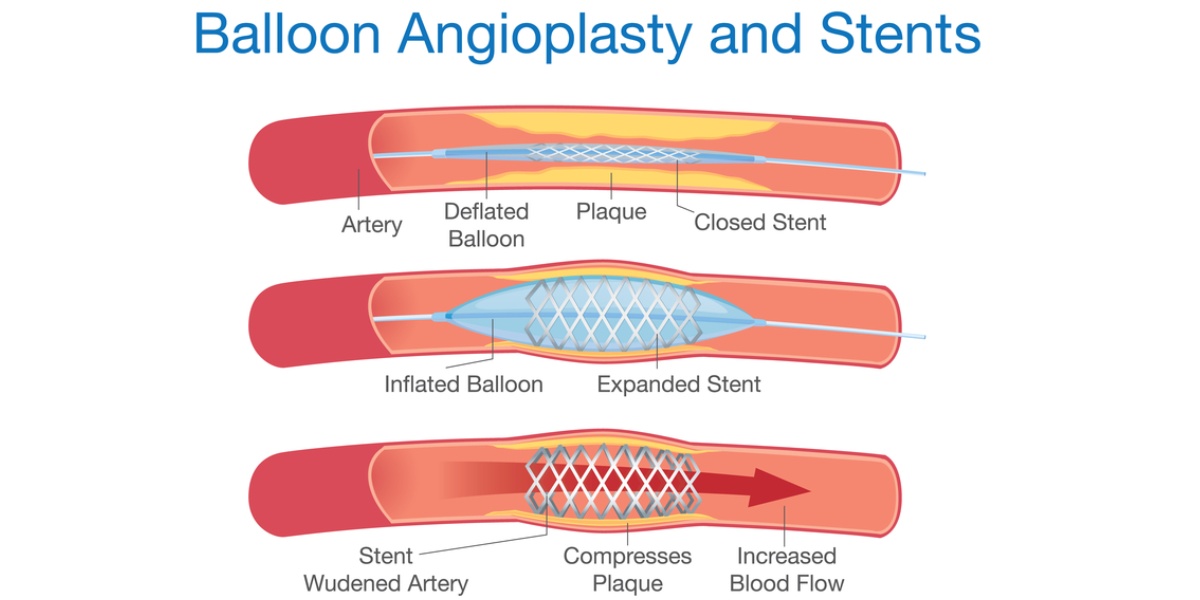
Angioplasty with stenting is a minimally invasive treatment that may reopen narrowed arteries. This system enlarges the artery using a balloon and inserts a stent to maintain a wide artery. These procedures take much less time before recovery, are low risk, and have high success rates.
2. Atherectomy
Atherectomy is a procedure by which plaque that builds up in the arteries is removed, making it excellent for localized obstructions that aren’t amenable to angioplasty. This is a treatment that preserves blood flow, relieves symptoms, and offers enduring relief if appropriately handled by experienced PAD treatment doctors.
Factors For Suitability In Elderly Patients
The pre-procedural assessment of elderly patients before any minimally invasive procedure is comprehensive, encompassing their overall health and suitability for the treatment. Age-related frailty, comorbidities, and individual risk profiles are taken into consideration. Treatments can thus be tailored toward safety and effectiveness while considering specific challenges in the treatment of older adults.
Surgical Treatments For Advanced PAD In The Elderly
Surgical interventions are offered for advanced PAD cases where other interventions fail to restore circulation or manage severe complications.
Bypass Surgery
In some cases, bypass surgery is suggested if the non-surgical and minimally invasive treatments are not effective. Bypass surgery creates an alternate pathway for blood to flow through using a graft from a part of the body or synthetic material. Although bypass surgery is effective in establishing circulation, it poses a higher risk, especially to elderly patients who have other diseases.
Amputation (Last Resort)
Amputation is done only as a last resort in advanced cases of PAD with severe gangrene or life-threatening infections. Though it is a very extreme measure, rehabilitation and continued mobility tend to be emphasized. Even elderly patients can use prosthetics and physiotherapy to regain independence and self-sufficiency with a good quality of life.
Pain Management And Supportive Care
Pain management and supportive care are aimed at reducing discomfort and improving the quality of life for PAD patients.
Pharmacological Pain Relief
Chronic pain is a typical problem for patients with PAD. This condition is medicated with analgesics and anti-inflammatory drugs. The doses should be adjusted not to be more toxic to the frail elderly, avoiding side effects or interactions with other prescribed medications.
Non-Pharmacological Methods
Warm compresses and massage therapy assist in improving the circulation of blood and alleviation of discomforts. Mindfulness practices and relaxation techniques are useful in the management of chronic pain and enhancement of well-being.
Comprehensive Solutions For PAD In The Elderly
A holistic approach with lifestyle modifications, pharmacological treatments, and advanced medical care.
The efforts of a PAD treatment doctor or PAD treatment specialist like Advanced Medical Group ensure personalized treatment and better outcomes. Follow-up visits and compliance with assigned treatment plans are vital for the maintenance of vascular health and the prevention of complications.
With a holistic approach to addressing PAD, older adults can better their quality of life by surmounting the obstacles presented by the condition.