 Patient Login
 (201) 581-6100
Complete Guide To Radiofrequency Ablation Cost
Radiofrequency ablation is a minimally invasive procedure that makes use of heat waves to destroy infected tissues or diseased parts. It makes use of radiofrequency waves to heat the tissue and thus destroy it. With the average cost ranging between $10,000 and $15,000, it is typically a more affordable procedure.
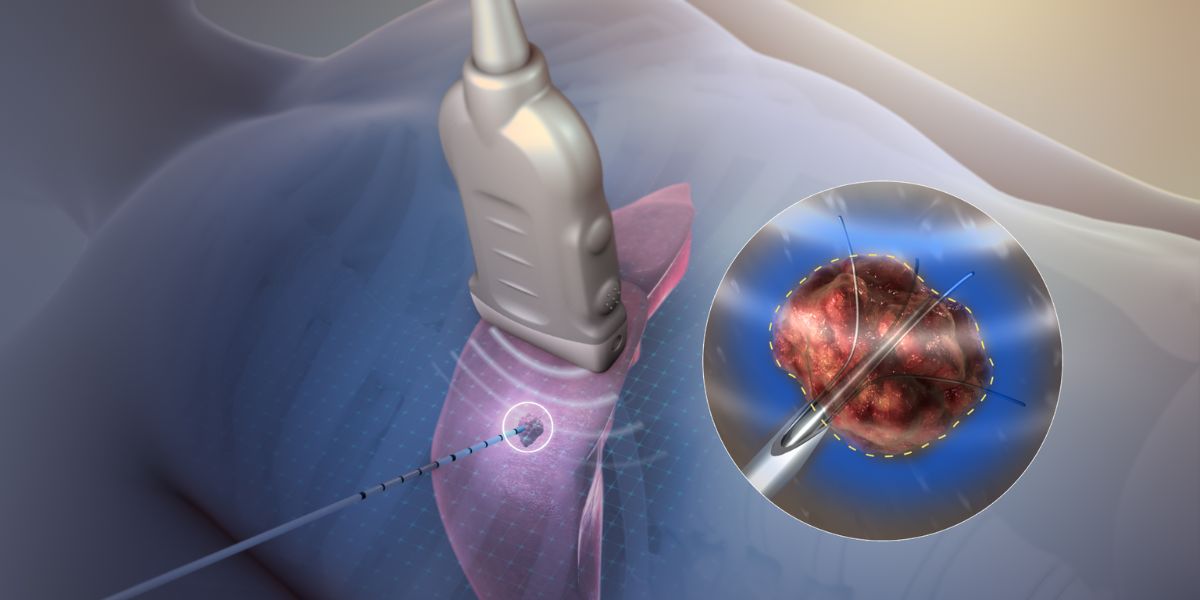
The procedure involves inserting a thin needle that acts as an electrode; it is inserted under the guidance of an X-ray, ultrasound, or CT scan. After inserting the electrode, radiofrequency energy is delivered through the electrode, and the energy is targeted to the infected tissue, and thus, it will be destroyed.
Since it is common to have doubts regarding how much radiofrequency ablation costs, this article will help you understand the cost of radiofrequency ablation and see if the treatment plan is well within your budget.
Average Cost Of Radiofrequency Ablation
Here are some of the RFA procedures, and the average cost of radiofrequency ablation for each procedure is mentioned below.
| RFA procedures | Average Cost |
|---|---|
| Cardiac RFA | $25,000-$30,000 |
| Liver RFA | $15,000 and $20,000 |
| Cancer RFA | $15,000 - $25,000 |
| Varicose Vein RFA | $2,000 - $10,000 |
| Uterine Fibroids RFA | $15,000 to $25,000 |
Cardiac RFA
If the ECG has variations and indicates atrial fibrillation or reveals any arrhythmias, RFA can treat and destroy the abnormal tissues and electrical pathways that might be causing them. It can considerably enhance functionality and improve the quality of life.
Cardiac RFA can cost you anywhere between $25,000 and $30,000. Since it involves recovery costs and possible complications due to the involvement of the heart, it is way higher on the cost estimate table.
Liver RFA
Liver RFA can cost you between $15,000 and $20,000. But this often only covers the nodules, scar tissues, and lesions. For extensive cancerous cells, it can go way higher than that.
Nodules might be formed due to several reasons, or there might be scar tissues that are not permanently damaged; in such cases, liver RFA can be useful to remove the tissues and improve functionality.
Cancer RFA
One of the newfound uses of RFA gave hope to millions of cancer patients all around the world. Cancer RFA can be used to treat and destroy cancer cells in the liver, lung, kidney, bone, etc. It can marginally improve the chances of survival in all kinds of cancer.
Although these are not recommended for brain tissues, with more advanced studies, it might be possible soon.
Depending on the extent of cancerous cells and the location, it can vary in a wide manner. For liver cancer, it can go up as high as $25,000, while for other types of cancers, it can vary between $15,000 – $25,000.
Varicose Vein RFA
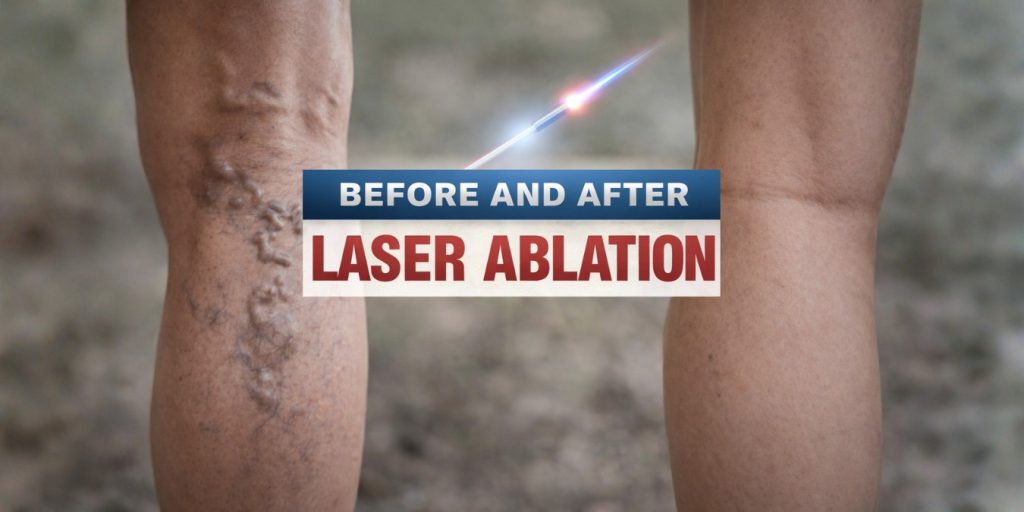
Varicose vein radiofrequency ablation can help you considerably improve the blood flow and enhance the appearance from the outside. It focuses on sealing veins from the inside and thereby reducing discomfort.
Radiofrequency ablation in varicose veins is a common radiofrequency ablation treatment recommended by vein doctors to enhance body functions and improve the quality of life for aged people.
It works very well in all patients and is recommended for varicose vein conditions, despite belonging to the Advanced Medical Group or beginner conditions.
Since radiofrequency ablation of varicose veins is a common procedure, it usually costs as little as $2,000 and might go as high as $10,000, depending on the complexity of the procedure.
Uterine Fibroids RFA
Radio-frequency ablation can treat uterine fibroids and avoid possible complications. RFA can reduce the size, pain, bleeding, and pressure.
The cost associated with uterine fibroid RFA is similar to that of cancer RFA and can cost you anywhere between $15,000 and $25,000.
Factors That Affect Radiofrequency Ablation Cost
Radiofrequency ablation is a simple yet complex, targeted procedure to help you improve your quality of life. Although it is a new procedure, the Radiofrequency ablation price can depend on the complexity of the procedure and is influenced by the risks associated with it. The average cost of radiofrequency ablation depends on a wide range of aspects:
Type Of RFA
Depending on the organ and tissue to be removed, the cost can vary between $2,000 and $30,000. For sensitive tissues associated with organs, it requires more thorough, precise, and complicated planning and can cost on the higher side.
For regular procedures like varicose veins radiofrequency ablation, which involves less sensitive nerve tissues, it can have nominal costs in the $2000-$4500 range.
Location Of The Procedure
The location of the hospital and the equipment used for the procedure determine the price of radiofrequency ablation. In rural areas, the cost can be considerably lower. In urban areas where there are more prospects and options for varicose vein treatment, the cost can be on the higher side.
Insurance Coverage
Some of the RFA procedures are mandatory and will not cost you anything, while some other optional procedures can cost you a considerable amount of money. For cancer treatment and cardiac RFA, the insurance provider is obliged to cover your treatment costs. At the same time, for varicose veins and other procedures, they can exclude the coverage, and it might cost you savings.
Extend The Procedure
Depending on the procedure and type of RFA, anesthesia, follow-up medications, and other costs can drive up the cost of radiofrequency ablation.
For extensive procedures like cardiac RFA and cancer RFA that require a team of doctors and surgeons, the cost can be on the higher side. While simple procedures like varicose vein RFA can be treated in a less costly manner.
Conclusion
Radiofrequency ablation is one of the new procedures that has attained a lot of popularity due to the convenience and reduced risks associated with it. However, it is not completely risk-free.
Since the procedure is all about removing dead tissues, it can cause discomfort, complications due to the tissue removal, and other issues depending on the area of application. Therefore, it is necessary to understand the risk and evaluate your options before jumping in.
With new inventions and technologies pouring in, advances will likely be made to reduce the complications and risks associated with RFA.
At present, it is one of the easiest procedures to treat venous insufficiency and varicose veins, as considerable quality-of-life improvements can be observed in these cases.