 Patient Login
 (201) 581-6100
Complete Guide To PAD Symptoms, Testing, And Treatment
Experiencing pain while walking, numbness in the calves, and coldness in the feet? That is not just weariness or the process of aging; that could be a potential indicator of PAD, or Peripheral Artery Disease. Millions of people have it and are not aware; they tend to ignore these symptoms until the disease has progressed significantly.
One of the very first questions people ask when they begin experiencing these symptoms is, “What test is done for peripheral artery disease?” And the answer to it could mean the difference between early treatment and permanent complications.
This blog walks you through the most common PAD diagnostic tests, how doctors detect the disease, and what to expect from the procedure. It also briefly discusses peripheral artery treatment, its costs, and where to find experts for help.
Understanding Peripheral Artery Disease (PAD)
Peripheral Artery Disease is a condition wherein narrowed arteries cause poor blood flow to the limbs, mainly affecting the legs. People with PAD are at a greater risk of having heart attacks and strokes. Hence, it becomes imperative to have a proper and early diagnosis.
PAD symptoms may include:
- Leg pains or cramps on walking (claudication)
- Numbness or weakness in the legs
- Coldness in the lower leg or foot
- Sores on the toes or feet that cannot heal
- A weak or lacking pulse in the legs or feet
Many remain without symptoms or wrongly treat their PAD as a common leg problem. That is where proper PAD detection methods come into play.
What Test Is Done For Peripheral Artery Disease?
When you visit a healthcare center for PAD symptoms, your blood flow is assessed, and any blockage in the arteries is identified. Below are the common diagnostic tests for PAD:
1. Ankle-Brachial Index (ABI) The Gold Standard
Ankle-Brachial Index (ABI) is the most commonly used PAD detection test and is non-invasive. It entails comparing blood pressure in the ankle with blood pressure in the arm.
- How it’s done: A blood pressure cuff is put on the arm and ankle while the Doppler ultrasound listens to the blood flow.
- What it shows: If the pressure at the ankle is much lower compared to the pressure at the arm, it means blocked arteries.
Why it is beneficial: ABI is fast, pain-free, and an excellent tool to identify PAD early.
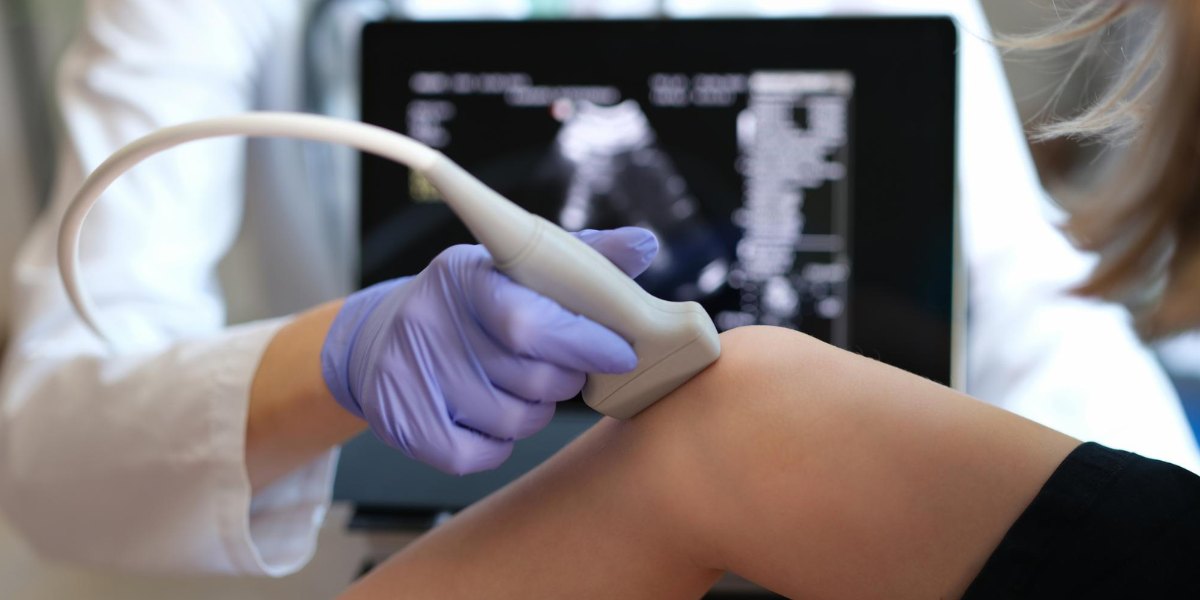
2. Doppler Ultrasound And Duplex Imaging
The sound waves used in this test visualize blood flow through the arteries of the legs.
- How it works: A handheld device (transducer) is passed above the skin to check the blood flow through.
- What it shows: Duplex imaging combines conventional ultrasound with Doppler ultrasound to obtain both structural and flow information.
Why it is beneficial: Identifies the precise site and degree of the blockage.
3. Treadmill Exercise Test
It is mostly conducted when the symptoms of PAD occur during exercise.
- How it works: Walk on a treadmill while heart rate and blood pressure were being monitored.
- What it shows: A decrease in the ankle-brachial index (ABI) following exercise will confirm PAD is not shown at rest.
Why it is beneficial: Detects exercise-induced claudication, facilitating the evaluation of disease severity.
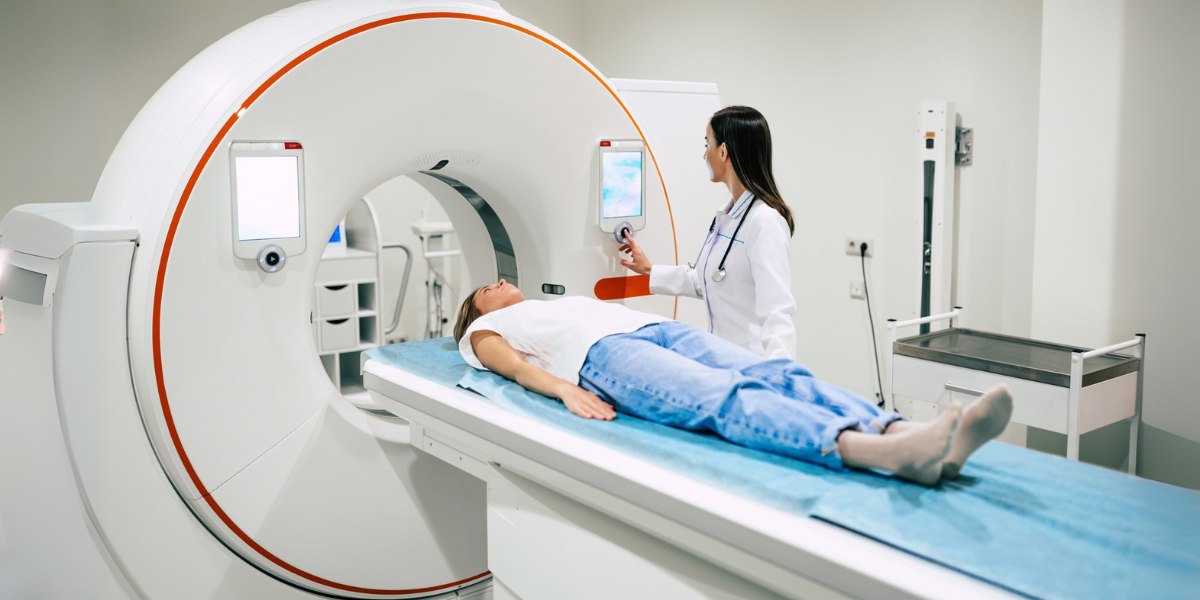
4. Magnetic Resonance Angiography (MRA) And CT Angiography
These are the greater imaging tests used when a more detailed view of the blood vessels is required.
- MRI uses magnetic fields and radio waves.
- CT angiography uses X-rays and contrast dye to visualize the arteries.
Why it’s beneficial: Useful in surgical planning or whenever procedures of a less invasive nature are inconclusive.
5. Angiogram (Arteriogram)
This test is invasive and is deemed by many to be the most absolute in diagnosis.
- How it works: During the procedure, a catheter is fed into the artery, and contrast dye is injected while X-rays are taken.
- What it shows: An all-encompassing map of the blockages existing in the arteries.
Why it is beneficial: It can be used with treatment, such as angioplasty, during the same procedure. It provides real-time images, helps assess the severity of blockages, and allows for immediate medical decisions without delay, especially in urgent or complex cases.
6. Segmental Blood Pressure Measurements
This test helps locate the specific area of arterial blockage by measuring blood pressure at various points along the leg.
- How it works: Blood pressure cuffs are placed on the thigh, calf, ankle, and foot to measure pressure changes between segments.
- What it shows: A significant drop in pressure between two segments indicates a blockage in the artery between those points.
Why it is beneficial: PAD treatment helps pinpoint the exact location of narrowing or blockage for more targeted care.
Why Choosing The Right PAD Test Matters?
Every step of choosing the proper test at the right time and the right place can fix the recovery path immensely. Here’s why:
- After getting the test results, the expert will give you treatment for a plan targeting any lifestyle changes or minimally invasive procedures based on your specific condition.
- Timely and proper testing can prevent needless tests and, hence, reduce the possibility of long-term PAD treatment costs.
- Uncertainties in case of symptoms or previous test results can easily be resolved, and a specialized vascular clinic will give you an idea of what to do.
PAD Is Manageable If You Act In Time
Considering PAD a trivial condition isn’t good; it’s serious yet manageable if diagnosed early. Knowing the answer to “What test is done for peripheral artery disease?” encourages that initial step toward the correct diagnosis and treatment. Whether it’s a simple ABI or an advanced angiogram, the right test directs you to the proper treatment for the patient.
If you or someone you love is showing the symptoms or faces a risk due to age, smoking, or diabetes, do not let them slide. Do remember that timely diagnosis via appropriate PAD detection methods can prevent complications, such as limb loss and cardiovascular disasters. Get control of your vascular health. Get all answers and treatment options with your PAD tests at Advanced Medical Group. Visit our specialists today!