 Patient Login
 (201) 581-6100
What Happens If PAD Is Left Untreated, And What Should You Do About It?
Do your legs hurt when you walk, and does the pain ease as soon as you rest? It might be a symptom of PAD, or peripheral artery disease. The condition affects more than 200 million people worldwide. Yet, many don’t know they have it until it has already progressed.
But what happens if PAD is left untreated? It depends on how far the disease has progressed and how early it is recognized. Catching it early and getting treatment can save your life!
PAD develops when plaque builds up in the arteries and reduces blood flow to the limbs, most often the legs. Over time, this reduced circulation can affect how tissues heal, how much pain a person experiences, and how well the body copes with everyday activity.
Understanding the symptoms can help patients make informed decisions, rather than reacting out of fear. Knowing the consequences of leaving PAD untreated is also equally important.
What Happens If PAD Is Left Untreated? Long-Term Effects
When PAD goes untreated, reduced blood flow continues to place strain on the affected arteries and the tissues they supply.
Arteries that are already narrowed tend to become progressively more restricted. So, they limit the amount of oxygen and nutrients that reach muscles, skin, and nerves.
This is not an abrupt process. In most cases, the changes happen gradually, which is why PAD can advance for years without drawing urgent attention.
As circulation declines, the body’s ability to adapt becomes limited. Muscles get tired more quickly, and even minor injuries may heal slowly.
Progression Of PAD Over Time
If you don’t treat PAD, it’s likely that the condition will reach an advanced stage. Plaque will continue to build up inside the arteries, and blood flow will get more restricted with time.
In the early phase, this may only affect circulation during physical activity, when muscles need more oxygen. As narrowing worsens, even everyday movement can strain the limited blood supply.
And because this happens gradually, many people adjust without realizing what is happening. Walking distances shorten. Stairs feel harder than they used to. Rest breaks become more frequent.
These changes may seem like normal aging. But they often reflect early PAD symptoms. When the condition advances, circulation gets blocked even when resting.
At this stage, you may start to experience more noticeable symptoms. From this point, if the condition isn’t treated, it can lead to more serious complications.
Persistent Pain And Reduced Mobility
Ask any healthcare professional about what happens if PAD goes untreated, and they’ll tell you that ongoing leg pain is a common issue.
It’s medically known as claudication, and it refers to muscle pain or cramping caused by poor blood flow. It typically appears during walking and improves with rest. However, over time, it can become more frequent and more intense.
If blood flow becomes even more restricted, even minimal activity may cause pain. Late-stage PAD patients even have pain when resting. It happens because the muscles don’t get enough oxygen to work properly.
The pain can get so bad that many people begin to avoid physical activity altogether. And over time, with less physical activity, their muscles lose strength and mobility.
Tissue Damage And Poor Wound Healing
Healthy circulation plays a critical role in healing. Blood delivers oxygen, immune cells, and nutrients that repair damaged tissue.
Since PAD restricts blood flow, this process becomes less effective. That’s when even small cuts and blisters on the limbs don’t heal properly.
When wounds don’t heal, the risk of infection increases. Bacteria thrive in this type of tissue, and the body can’t fight them hard enough.
In more advanced cases, prolonged lack of blood flow can cause tissue to break down. That leads to ulcers. Without proper PAD treatment, this situation can get worse.
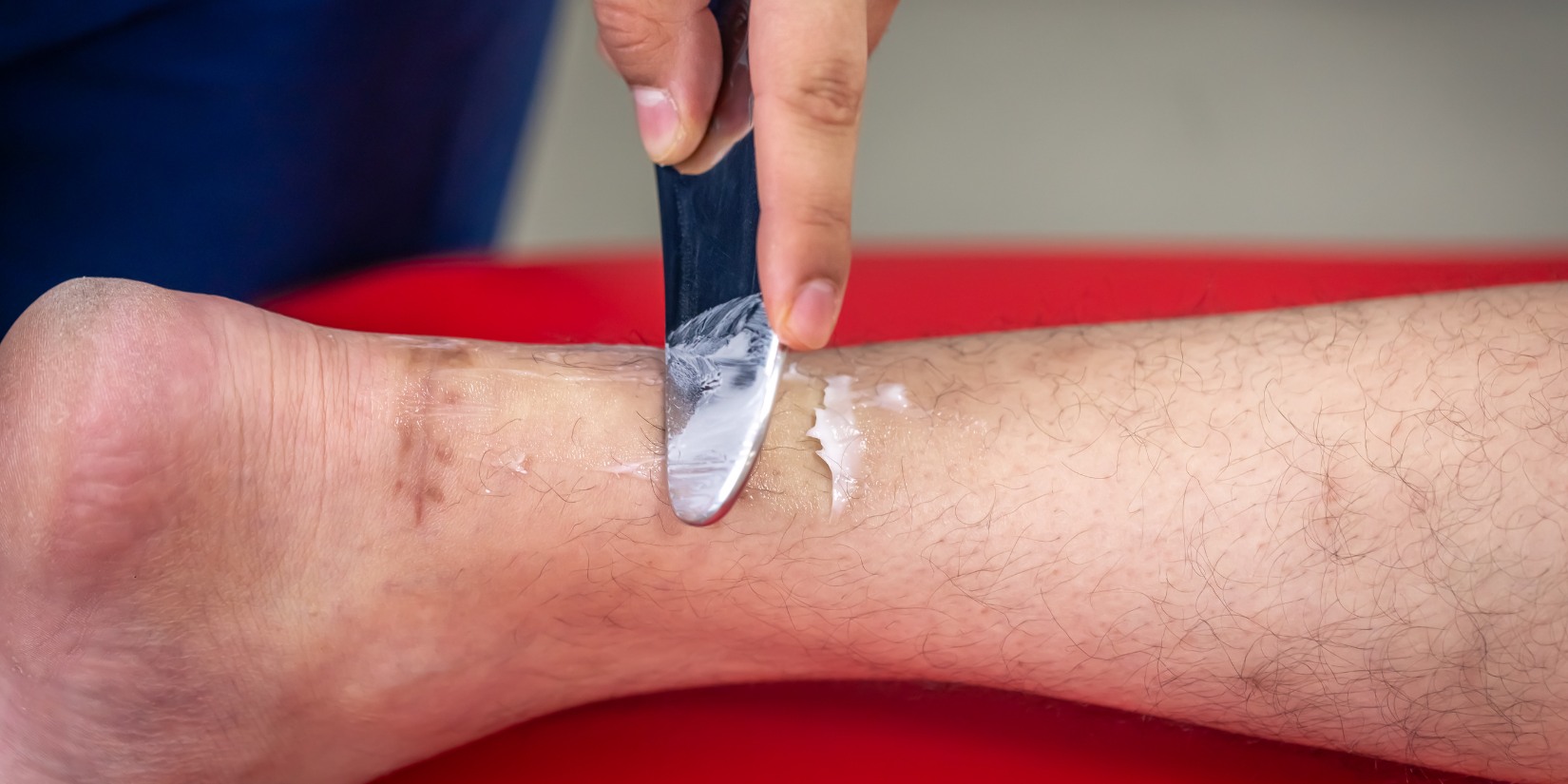
Critical Limb Ischemia And Gangrene
In advanced stages, blood flow to the legs or feet can become so limited that tissues no longer receive enough oxygen even at rest.
This condition is known as critical limb ischemia. In simple terms, it means the circulation is no longer sufficient to keep the tissue healthy.
People with critical limb ischemia often notice persistent pain in the foot or toes, especially at night. Skin may appear pale, bluish, or unusually cool.
Small injuries can worsen instead of healing. Over time, tissue may begin to break down and die. This process is called gangrene, and it occurs when cells are deprived of oxygen for too long.
When these symptoms begin to appear, treatment options become more limited. In some cases, removing the limb or affected tissue may become necessary.
Higher Risk Of Heart Attack And Stroke
PAD is part of a broader disease process called atherosclerosis, where plaque builds up in arteries throughout the body.
If someone has PAD in the legs, they may have blockages in the arteries that supply blood to the heart and brain.
This connection explains why people with untreated PAD face a higher risk of heart attack and stroke. In some cases, PAD is the first visible sign of more widespread cardiovascular disease.
For many patients, leg symptoms draw attention to a deeper issue rather than being the primary threat themselves.
Addressing PAD early can therefore benefit your overall cardiovascular health.
When To See A Doctor And Why Early Treatment Makes A Difference?
Many people wait to seek care because their symptoms feel manageable or inconsistent. That delay is understandable, but it can allow PAD to progress quietly.
If you’re wondering when to see a doctor, first notice if you have the following symptoms:
- Leg pain during walking
- Feet feel persistently cold or numb
- Wounds on the lower legs take longer to heal
Catching it early gives you more treatment options. Lifestyle changes, medication, and structured exercise programs are often effective in the early stages of peripheral artery disease.
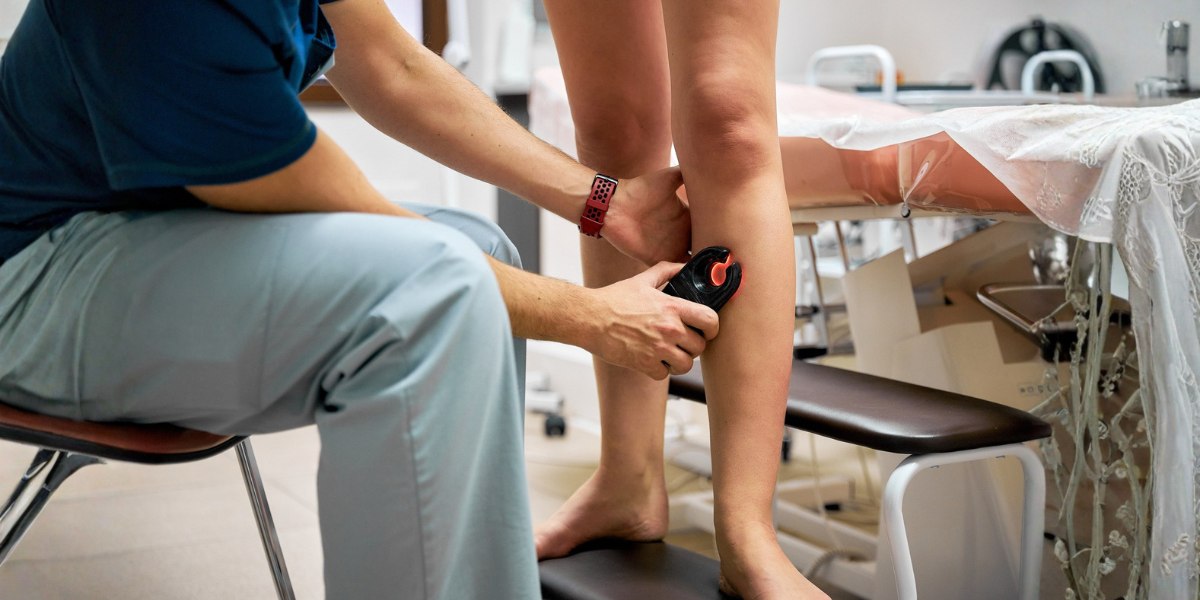
What To Do After A PAD Diagnosis?
If you’ve been diagnosed with PAD, the question isn’t about what happens if you leave a PAD untreated. It’s about where you should seek treatment.
There is no doubt that you need to get on a treatment plan ASAP. But choosing the right healthcare facility is extremely important.
You need to make sure your doctor is an expert in cardiovascular care and has treated cases of PAD successfully before.
If you are from Jersey City, Union City, North Bergen, or West New York, you will find Advanced Medical Group clinics.
They are the best in the field and are highly recommended by patients.