 Patient Login
 (201) 581-6100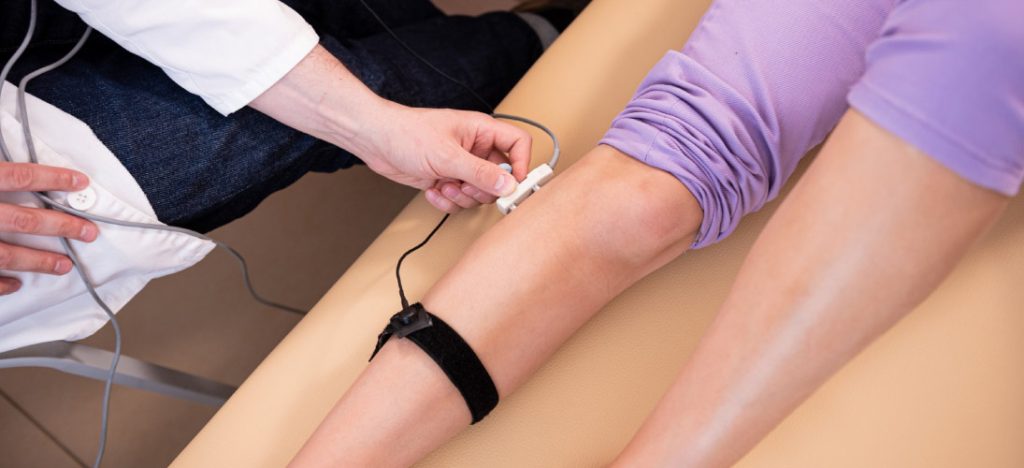
Specialists For Varicose Veins: Who Should You Consult?
Varicose veins are one of the chronic vein diseases and are associated with spider veins. Older people and women are at greater risk of suffering from varicose veins compared to younger people. According to NCBI, varicose veins affect nearly 20% of people at some point in their lives. AHA reveals that about 23% of people in the USA have varicose veins.
Wondering what type of doctor treats varicose veins? Healthcare specialists belonging to radiology, vascular surgery, and dermatology are capable of creating various venous diseases.
Vascular Surgeons
Vascular surgeons are the most common varicose vein doctors who specialize in treating various types of vascular and venous diseases. These varicose vein doctors are licensed healthcare specialists with proper training and expertise in the vascular system and various diseases.
With the help of ultrasounds, MRI scans, and other noninvasive medical diagnosis processes, vein specialists can diagnose different types of vascular conditions. As they are highly knowledgeable in the vascular system and various vein treatment options, they can treat varicose veins easily and skillfully.
Interventional Radiologists
Interventional radiologists can also treat vein diseases like varicose veins. They are responsible for treating different medical conditions with the help of minimally invasive procedures and advanced imaging techniques.
This vein doctor will make a tiny incision on your skin where the veins are visible, and then a thin tube or catheter will be placed in the incision to treat varicose veins. At the front of the thin tube, a small device is attached that produces heat, which increases the temperature of the vein. Then, the interventional radiologist will close it with stitches.
Phlebologist
A phlebologist is another type of specialized doctor who treats varicose veins. Phlebologists are professionally trained to inspect, prevent, treat, and rehabilitate various venous diseases, including varicose veins. Make sure to contact a reliable vein clinic like Advanced Medical Group to get treated for varicose veins by specialists.
How Are Varicose Veins Diagnosed?
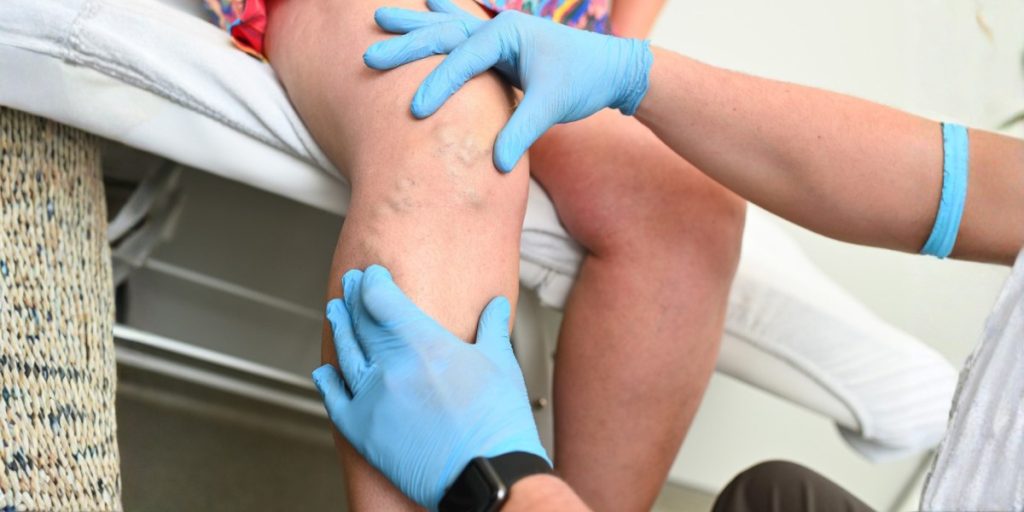
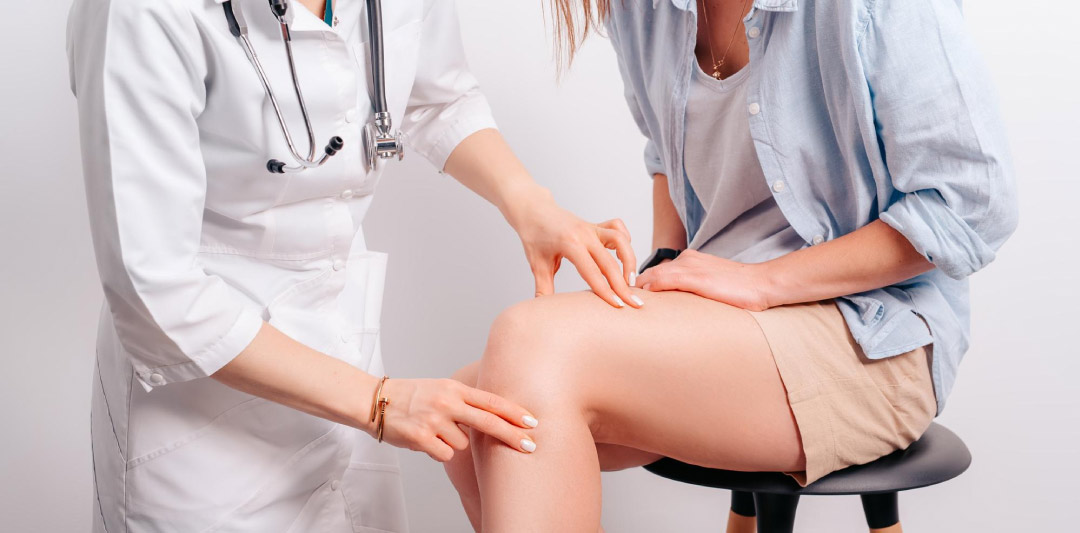
Diagnosing varicose veins is usually straightforward. Since they’re visible beneath the skin, your doctor can often identify them through a simple physical exam. You may be asked to stand or sit in different positions while the doctor observes the veins and checks for swelling, tenderness, or changes in skin color. A discussion about your symptoms and medical history will also help guide the diagnosis.
Diagnostic Tests
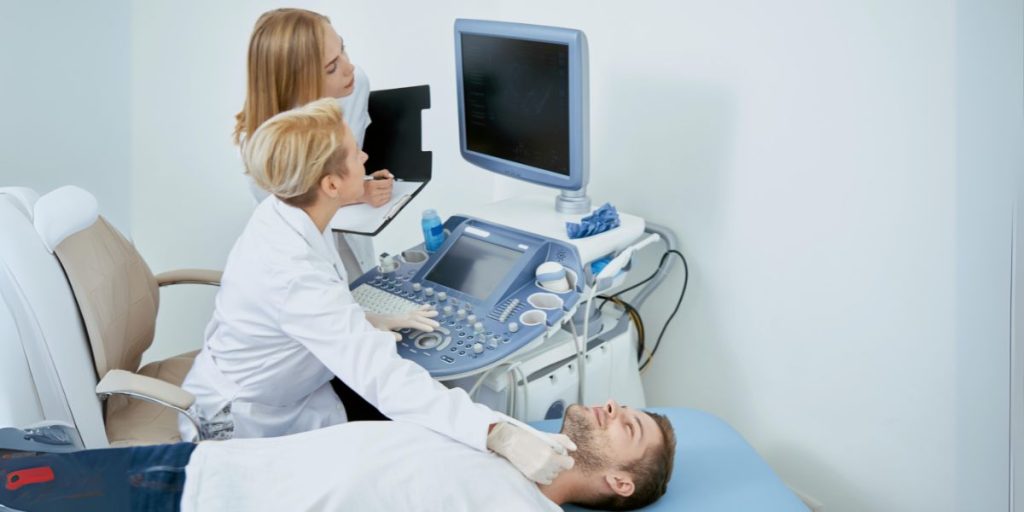
While a visual exam is often enough, your healthcare provider may recommend further testing if needed. The most popular is a venous ultrasound, which maps the blood flow in your veins using sound waves in a painless and safe manner. This helps detect issues like valve dysfunction or blood clots, which may not be visible on the surface. This helps detect issues like valve dysfunction or blood clots, which may not be visible on the surface.
What Is Varicose Veins And Why Treatment Is Essential?
Varicose veins are swollen, twisting, and enlarged dark purple or blue-colored veins. They can be seen on the legs, especially behind the knee or on the inner side of your leg. Though varicose veins can develop anywhere in your body, they are most common on your legs.
If the vein walls in your legs are damaged or weak, or if the valves are not functioning properly, the blood will either flow in the wrong direction or accumulate in the veins. As a result of that, purple, blue, or red veins will appear on your legs, ankles, or even feet.
The most common symptom of varicose veins is the lumpy, enlarged veins that look dark purple or blue. If varicose veins are not treated, you may experience other symptoms as well, which include:
- Pain and discomfort in the legs
- Twisted, visible veins
- Heavy legs and numbness
- Frequent cramps (particularly calves and thighs)
- Ankle or foot swelling
- Itchy sensations
- Non-healing ulcers or skin sores
- Leg swelling
- Redness of the ankles or legs
- Scaly, cracked, dry skin
Different Treatment Options For Varicose Veins
There are plenty of varicose vein treatment options, which are
- Endovenous thermal ablation or laser therapy
- Sclerotherapy or injection therapy
- Ligation and stripping or vein surgery
- Using elastic or supportive stockings
- Keeping your legs elevated to lessen pressure on the veins and correct the blood flow
To prevent varicose veins, it is best to exercise on a regular basis and maintain an active lifestyle. Make sure to avoid sitting or standing in the same position for a long period of time and move every 30 minutes. If you are overweight, it is recommended to lose excess fat to avoid suffering from varicose veins. Though varicose veins can be treated, they can return because of any of the above-mentioned risk factors.
Summary Of The Type Of Doctor That Treats Varicose Veins
Varicose veins is a common vein disease that affects mostly older people and women. If you have been suffering from varicose veins for a long period of time or are physically strained, you may feel extreme pain and discomfort. In that case, it is best to visit a vein specialist, phlebologist, interventional radiologist, or vascular surgeon to get treated quickly.