 Patient Login
 (201) 581-6100
A Comprehensive Guide For Non-Surgical Treatment For PAD
Patients across the globe might develop an ailment called peripheral artery disease (PAD), in which blockage or narrowing takes place in the arteries, reducing blood flow to the limbs. In most instances, however, having this disease can prove to be life-threatening, though in a few cases, a high level of health improvement could be seen in the patient. To address the symptoms effectively, you must know the different available options, such as non-surgical treatment for PAD, and their outcomes. Being treated by a competent physician is an enhancer of proffered suitability, let alone doubling your life.
Know Peripheral Artery Disease
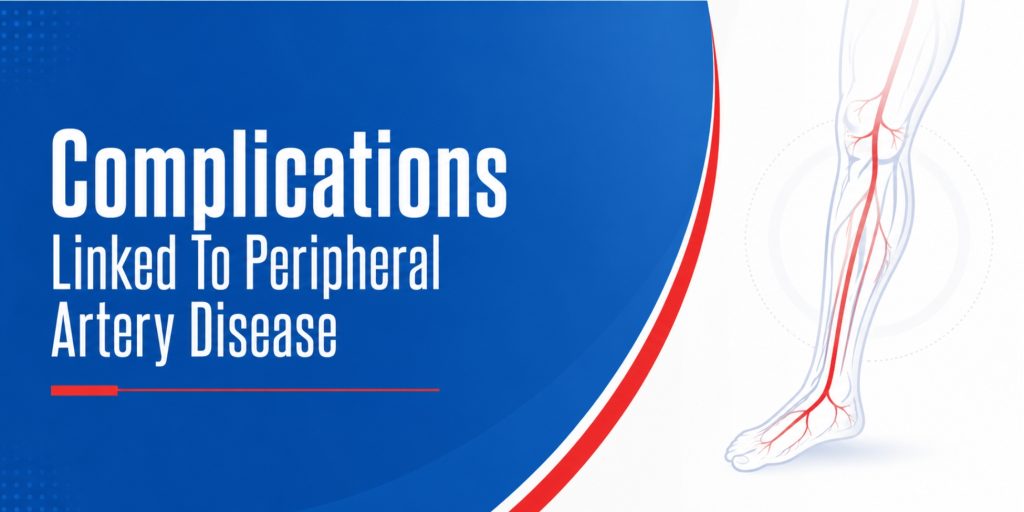
Peripheral artery disease is a condition where the arteries responsible for the legs and feet become less widened with fatty deposits, also known as plaques. The process of the arteries being narrowed and blood flow to the limbs being restricted is referred to as atherosclerosis. PAD is a signal that there may be narrowed arteries in other parts of your body, and the problem of circulation is not the only one. It implies that the risk of heart attack and stroke has also increased.
Recognising PAD Symptoms
Recognition of PAD symptoms at an early stage is essential for timely treatment. Common symptoms of the disease include:
- The primary symptom of PAD is discomfort in the legs or cramps that appear while doing physical activities and thus continue till one rests. Generally, this distress is in the calves only, but sometimes it may also be in the thighs, hips, or buttocks.
Now, besides the symptoms mentioned above, there may be more signs of the disease that include:
- Feeling of numbness or getting weak in the legs
- A lower part of the leg or a foot that feels cold, particularly if it is compared to the other side
- Sores on the leg or foot that do not heal
- Legs that have a shiny appearance to the skin or have changed colour.
- Poor or no pulse in the feet or legs
- Lack of erection in men
- Legs have less hair, or hair growth is slower.
It is possible that PAD sufferers may not feel any symptoms. Consequently, those at risk should not rely on symptoms but rather undergo routine checks.
PAD Non-Surgical Treatment Options
The good news is that lots of patients can control Peripheral Artery Disease (PAD) effectively without the need for surgery. PAD non-surgical treatment options are mainly focused on symptom relief, improvement in life quality, and prevention of disease progression. There are primary methods in the treatment. These adjustments can make a dramatic difference in how you feel and how the disease progresses.
1. Quitting Smoking
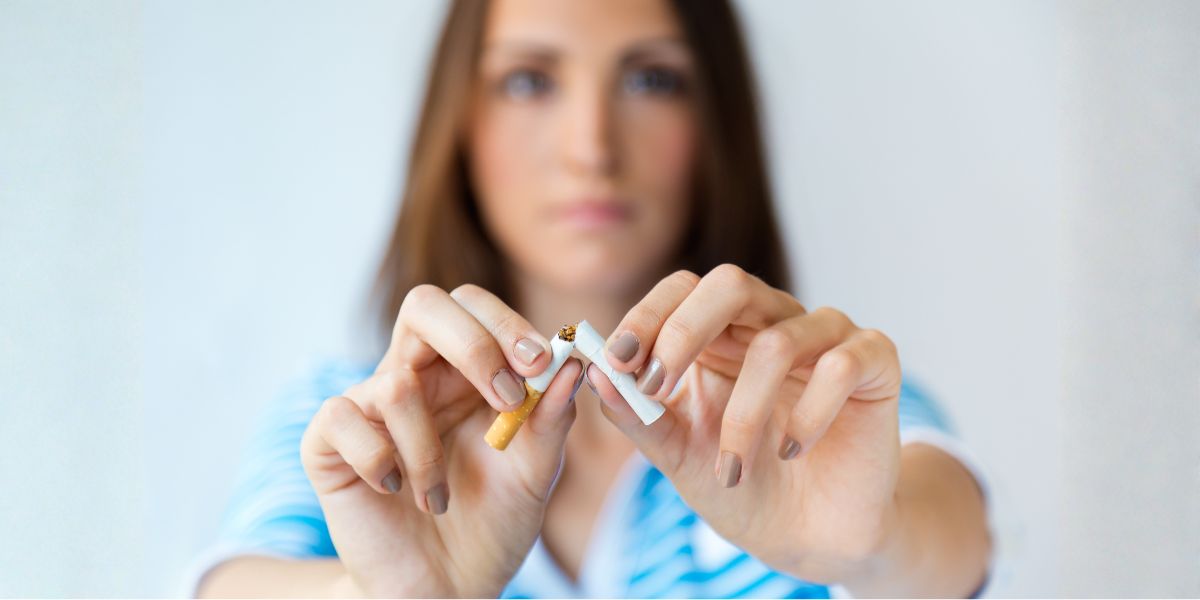
If you smoke, stopping is the single best thing you can do for your arteries. Cigarette smoke damages blood vessels, accelerates plaque buildup, and reduces the oxygen supply to your legs. Studies show that smokers with PAD face faster disease progression and a much higher risk of complications.
Quitting may not be easy, but you do not have to do it alone. Doctors can recommend medications like nicotine replacement therapy or prescribe other options that make the process easier. Many hospitals and clinics also run cessation programs where counselors guide you to stop smoking step by step. Every day without a cigarette gives your arteries a chance to recover.
2. Exercise Therapy
You might not think walking can be medicine, but it really can be a safe, non-surgical treatment for PAD. Walking programs are an easy yet effective way of coping with pain and improving circulation without surgery. The aim is to walk until you experience aches in your legs, stop for a minute or so until these ease, and begin another bout of walking.
This rhythmic process, in turn, teaches your muscles to use up oxygen more effectively. As you pass time and stick to it, you find that you can walk for longer distances and experience much lower pain than earlier.
If possible, join a supervised exercise program at Advanced Medical Group. These tend to deliver better results because trained staff can tailor your routine and track your progress.
3. Eating For Heart And Artery Health
What you eat has a direct impact on how well your blood flows. A diet rich in fruits, vegetables, whole grains, lean proteins, and healthy fats supports the arteries and helps control risk factors such as cholesterol and blood pressure.
At the same time, limit foods that contain saturated fats, trans fats, added sugars, and excess salt. Even small changes in your food habits, such as swapping fried foods for baked or grilled options, can make a noticeable difference.
4. Managing Weight
Carrying extra weight puts added strain on your heart and blood vessels, which can worsen PAD symptoms. Losing even a modest amount, just five to ten percent of your body weight, can help reduce leg pain and improve mobility. It also makes it easier to control conditions that often accompany PAD, like diabetes, high blood pressure, and high cholesterol.
Your healthcare provider can refer you to a dietitian who specializes in cardiovascular health if you need extra support for your PAD treatment.

When Surgery Becomes Necessary
Despite that, conservative management brings the best results to the majority of patients; there are still some who have to undergo surgical intervention. This happens when non-surgical treatment does not suffice in controlling the symptoms or when patients develop critical limb ischemia, which is a very severe case of PAD where the affected limb is in danger of losing its blood supply.
Taking Control Of Your PAD
Peripheral artery disease can be managed effectively without surgery. It is possible to control the patient’s symptoms properly and improve the quality of life.
If you are carrying the symptoms of PAD or the disease’s risk factors, you are advised to see a specialist vascular doctor who will help you make a personal treatment plan. Expertise and regular follow-up are essential in the management of PAD. Advanced Medical Group and other specialised vascular care providers develop comprehensive PAD treatment plans that utilise medical management, supervised exercise therapy, and regular monitoring to achieve maximum benefits.