 Patient Login
 (201) 581-6100
How To Get Sciatica Relief With Physical Therapy?
Is a sharp, sometimes aching pain bothering its way down your leg? It can be sciatica, a quite common bearer of misery in an individual’s daily life.
The good thing is that you could visit a physical therapy facility and leave with the certainty that relief doesn’t necessarily require invasive procedures or endless painkillers. Many people have revealed that with an appropriate therapy plan, they can manage and even eliminate the sciatica pain altogether.
This article helps you discover how physical therapy helps with sciatica relief so you can partake in activities you love doing pain-free.
Active Physical Therapy Techniques For Sciatica
Sciatica is quite common, with its annual incidence ranging between 1% and 5%, indicating that people in this range are affected freshly every year. Experts typically define physical therapy for sciatica relief as active and passive components. Active therapy involves physical activity.
sciatica relief as active and passive components. Active therapy involves physical activity. The primary goal is building strong back and core muscles. Strong core and back muscles support your spine, making rotating and lifting safely possible without jarring your spine, thus preventing patterns of sciatica. There are specific exercises, depending on the underlying cause of sciatica, the level of pain the patient experiences, overall conditions, and physical therapist training and experience. Have a look
1 . Gentle Stretching
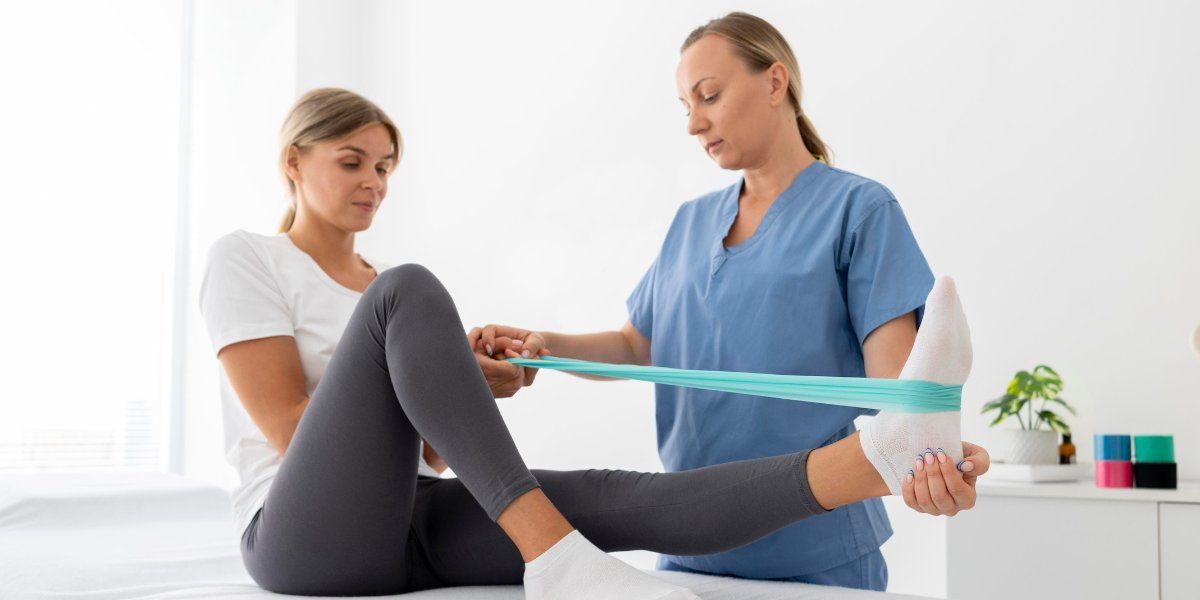
Gentle stretching exercises are undeniably the finest way to fight back and leg pain. This active therapy aims towards tuning the spine and core muscles—the muscles of your lower back, abdominals, buttocks, and hips. The desired outcome results in your muscles and nerves being more limber, encouraging pain-free movement.
2. Aerobic Exercises
Aerobic workouts such as walking, swimming, or pool therapy promote fluid exchange and nutrient transport within your body to facilitate healing and natural endorphins for pain relief. Physical therapy specialists will devise a plan for you. In this, rehabilitation programs will alleviate the discomforts you may be feeling, normalize body mechanics to relieve nerve compression, strengthen core muscles, improve the flexibility of muscles and nerves, and optimize functional activities.
Passive Physical Therapy Techniques For Sciatica
Passive treatments help return stiffened or sore muscles to their normal condition, just like active treatments. Now, how does physical therapy help sciatica with passive methods? Some techniques that are often involved with this treatment modality are:
1. Hot And Cold Therapy
Hot and cold therapy reduces tenderness while increasing blood flow in the affected areas to promote healing.
2. Therapeutic Massage
Massage physical therapy, primarily deep tissue massage, can further relieve swollen tissue around the lower back and up the legs, smoothing out muscle tension in a few areas, including the piriformis, hamstrings, calves, or lower back.
3. Transcutaneous Electrical Nerve Stimulation
In this, a mild electric current is used to induce pain relief and spasm control in the lower back and legs, using sticky pads placed on the respective areas for this purpose.
4. Ultrasound Therapy And Hydrotherapy
Ultrasound therapy works by converting sound waves into muscle relaxation and pain relief. Hydrotherapy, on the other hand, with the assistance of a whirlpool or spa, increases blood circulation and often relaxes muscles with warm water and massaging jets.
All these techniques can passively relieve pain and add to the active exercise that you do as part of your physical therapy program. This leads to the recommendation of both active and passive treatments because different Physiotherapists seem to have different approaches to patients.
Manual Therapy Techniques For Sciatica
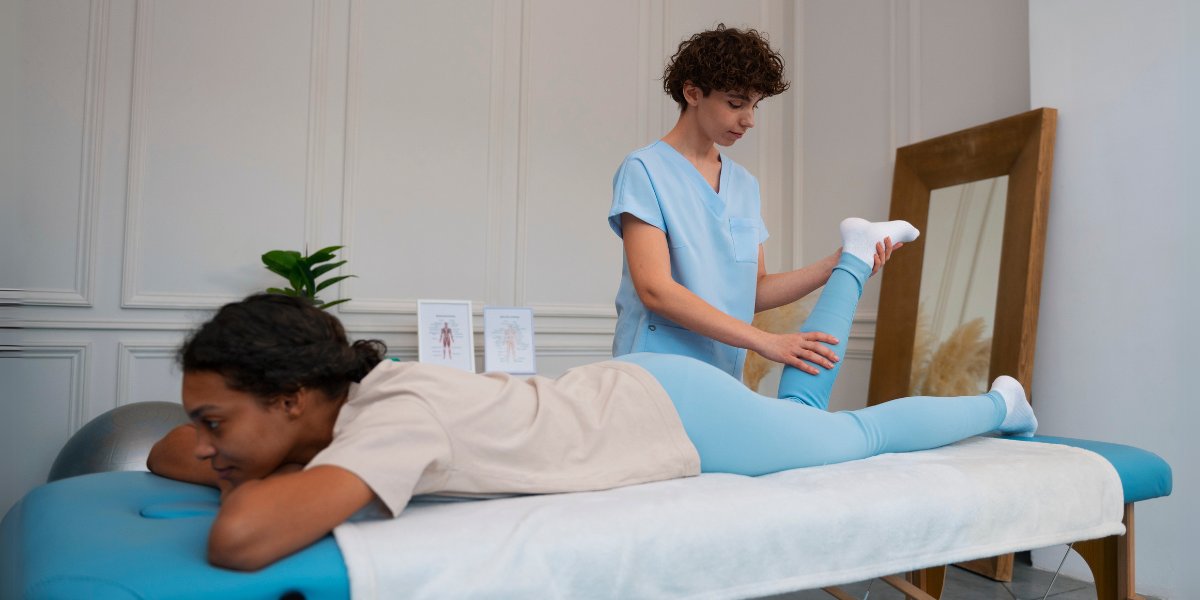
Manual therapy techniques are specialized hands-on treatments administered to people who suffer from pain, muscle tension, or spasms. These also help restore functionality.
1 . Joint Mobilization
Joint mobilization or manipulation is when a therapist applies quick, thrusting force or pressure to relieve the pain and restore joint movement.
2 . Myofascial Release
Also called soft tissue mobilization, here therapists either use their hands or instruments to mobilize the tissues of the lower back, hips, or legs to treat fascial restrictions and reduce muscle tension.
3. Muscle-Energy Technique
Manual therapy is wherein the patient contracts their muscles gently while the therapist moves the painful joint through a given range of motion. This can reduce pain and restore function.
4. Nerve Glides
Aka nerve mobilization or neural flossing includes active or passive techniques, which place the affected nerve in and out of tension to foster movement and lessen symptoms.
5. Gait Training
It is simply an analysis of the patient’s walking pattern, followed by retraining on the appropriate and correct patterns, possibly through video analysis.
6. Active-Assisted Range Of Motion
This therapy allows the therapist to aid with the motion of parts of your lower body, or hips and legs, in order to facilitate the movement of specific joints that lead to pain.
7. Soft Tissues Therapy
Soft tissue therapy peculiarly aims for the muscles and tissues surrounding your sciatic nerve, directly cutting down on sciatic inflammation and even improving overall spinal health.
What Exercises Should Be Avoided With Sciatica?
Though exercises are magical for sciatica relief, some movements can aggravate the pain and should be avoided.
These include high-impact activities, such as running, which aggravate the sciatic region. Certain exercises, generally the ones that involve raising both legs into the air at the same time—for example, leg raises or using a captain’s chair—would subject your lower back to pressure. Squatting may also place undue stress on the sciatic nerve. It’s best to avoid repeated bending, twisting, and heavy lifting.
Moreover, twisting or rotating the torso and bending forward with straight legs can worsen the symptoms of sciatica. The stretching hamstring makes sciatica worse. Do not do any activity, movement, or posture causing pain. Always consult your physical therapist about which exercises are appropriate for your disability. Remember, even mild cases of sciatica are best checked out.
Ready To Reclaim Your Life From Sciatica?
Physical therapy specialists can offer effective treatments for sciatica, where the physical therapy cost may vary with individual needs. Early intervention yields optimal results, which revive your functionality and guard against future flare-ups. Remember, physical therapy works in relieving sciatica by addressing the underlying causes of your pain, restoring mobility, and overall well-being in general.
Seek assistance from Advanced Medical Group or similar professionals to plan your journey toward a painless and carefree life. You could take control of sciatica and indulge in a more happy life by educating yourself about the condition. Develop your plan together with the therapists today.