 Patient Login
 (201) 581-6100
Peripheral Artery Disease Risks To Kidney Health You Should Know
PAD is a common but serious condition, yet many people do not know it. In the United States alone, it affects 10 million adults, while this number has reached over 200 million worldwide. PAD disease is a gathering of extensive blockages within the arteries which has been caused by plaque buildup.
This plaque, made of cholesterol, fat, and calcium, lowers blood flow in your arms, legs, or feet. Although the most commonly affected area in PAD is the limbs, this disease can also be harmful to other parts of our bodies including vital organs like kidneys. Research indicates that people with chronic kidney disease (CKD) are at greater risk of having PAD, so it remains pertinent to delve deeper into how both diseases can be linked together.
In this post, we will talk about how peripheral artery disease affects kidney function and some of its symptoms; then, we will go onto the ways to control it, ensuring safety from further damage. But first, let’s understand the link between PAD and CKD.
Why PAD Can Lead To Chronic Kidney Disease?
The complications of progressive kidney disease extend to developing PAD in people with CKD. As such, patients with CKD face an extremely serious risk of experiencing PAD.
1. CKD can cause atherosclerosis, a condition where arteries narrow and harden. It’s very common in patients that present with end-stage renal disease. Due to its gradual progression, failing kidneys can alter blood flow patterns and affect the health of the blood vessels, increasing a patient’s susceptibility to PAD.
2. The mutual relation between CKD and PAD is cyclical: while CKD contributes to worsening PAD, the presence of PAD in patients leads to a further downgrade in kidney function. This creates a challenging situation for treating both conditions effectively.
3. Studies have indicated that the presence of PAD amongst people with CKD is significantly higher when compared to the general population. In 2014, PAD affected approximately 4.3 percent of U.S. adults aged over 40 years old. The risk is even greater in CKD patients, particularly those on dialysis.
The Effects Of PAD On Overall Kidney Health
Now that we have seen just how much peripheral artery disease (PAD) is connected with kidney function, let’s see the changes in their functioning:
Poor Blood Flow
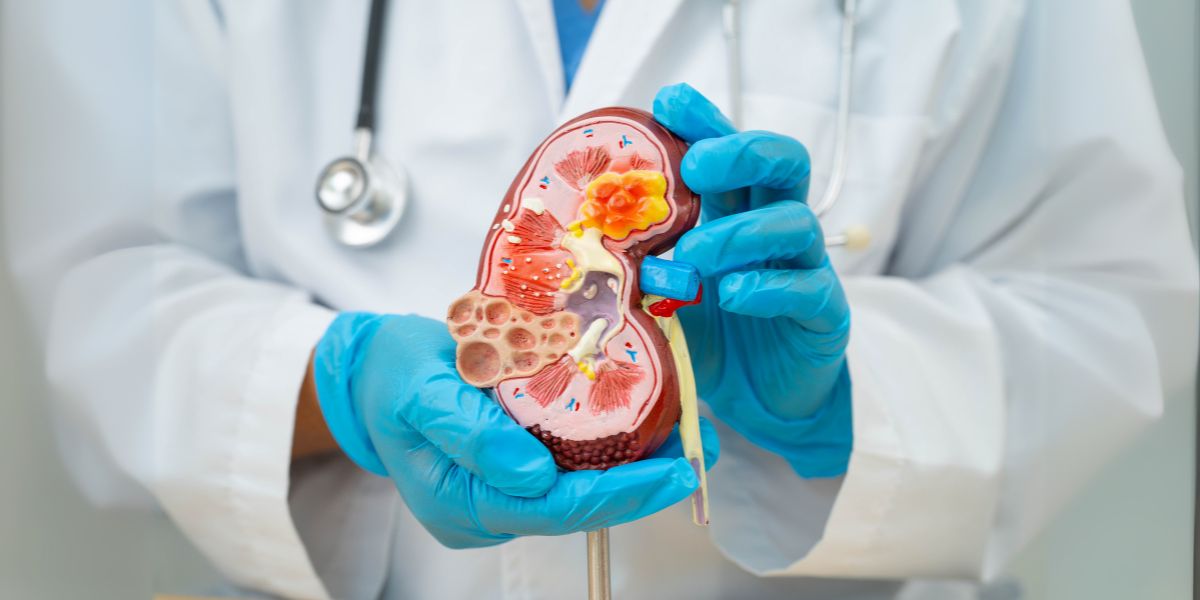
PAD not only causes pain to the patients but also prohibits blood flow throughout other areas of their body. This narrowing of the arteries that flow blood to the kidneys is because of atherosclerosis, where reduced blood flow restricts oxygen demands for the kidney. A lack of oxygen damages the kidneys because they use so much energy to filter out waste and maintain their general health.
Higher Likelihood Of ESRD
They are at a higher risk of developing severe kidney complications because PAD causes reduced blood flow to the kidneys, making them statistically more likely to have End-Stage Renal Disease (ESRD). This is when a person’s kidneys have failed irreversibly. By the time an individual reaches this stage, they are typically in need of dialysis or transplant to survive.
High Blood Pressure
Another result of PAD can be that it results in high blood pressure or hypertension. The plaque in your arteries constricts the blood flow, making it difficult for oxygen-rich red cells to reach an area that needs repair. The faster they run, the more energy they expend in a way that raises blood pressure, and hypertension causes wear and tear on their kidneys over decades. High blood pressure is also aggravated by kidney disease, driving some level of a vicious cycle between the two conditions.
Inflammation And Damage
Another important factor is inflammation. People with PAD often experience systemic inflammation, which can harm various organs, including the kidneys. This inflammation can make existing kidney issues worse and lead to additional complications.
Complications Of Diabetes
Diabetes occurs in many people with PAD. This connection can worsen kidney health as diabetes can develop into a specific type of nephropathy called diabetic nephropathy. When taken alongside PAD, however, the risks of developing kidney conditions are amplified.
Management Strategies For PAD And CKD
Managing both CKD and PAD can be challenging due to their interconnected nature. However, understanding their relation and how PAD affects kidney function can make a big difference. Here are some useful tips for managing PAD and CKD:
Frequent Checkups
Patients with PAD must get regular kidney checkups, focusing on creatinine levels in their blood and other kidney function markers.
Lifestyle Changes
This involves eating a healthy diet that is full of fruits, vegetables, whole grains, and lean proteins. Regular exercise can help to improve blood flow and heart health as well.

Medications
Different meds can be used to treat the symptoms of PAD and/or reduce the progression of CKD. For example, the use of medicines that lower blood pressure or cholesterol-lowering medicines and other medications that act to improve circulation.
Smoking Cessation
A responsible action for smokers with both PAD and CKD is to stop smoking. The very inflammation seen in each of these conditions can also be worsened by smoking since the double effect further cripples an often already depleted blood supply.
Hand-off to the Specialists: Patients should have access to nephrologists and PAD specialists. Adopting a multidisciplinary approach, incorporating insights from a PAD specialist and nephrologist, can offer personalized care for your PAD treatment.
Prioritizing Awareness And Management Of PAD For Kidney Health
Peripheral Artery Disease is not just a concern for your legs; it can significantly impact kidney function and overall health. Therefore, it is of prime importance to detect symptoms of PAD and how peripheral artery disease leads to the deterioration of the kidney so that proper intervention with effective management can be done.
Consult a healthcare professional or PAD specialist at Advanced Medical Group right away if you think you might have PAD or are experiencing any symptoms of PAD. AMG can create a comprehensive plan to diagnose and treat your PAD, including care for potential side effects on kidney function, helping you stay active and live a longer, healthier life.