 Patient Login
 (201) 581-6100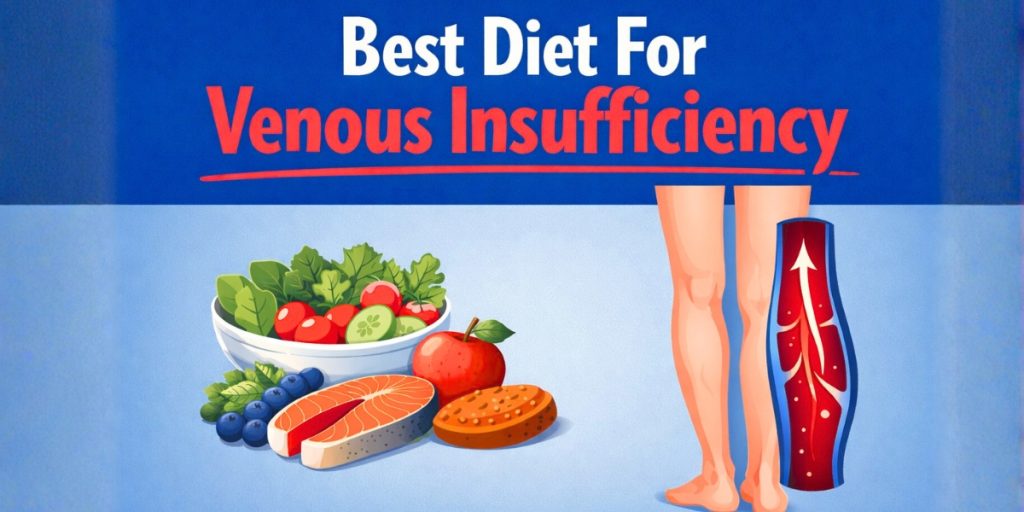
Choosing The Right Diet For Venous Insufficiency
Diet plays a huge role in managing progressive diseases like venous insufficiency. Along with conventional treatment and lifestyle changes, the right diet for venous insufficiency can help reduce everyday symptoms.
The condition occurs when the valves inside your veins weaken and stop moving blood efficiently back toward your heart. Instead of flowing upward, the blood then begins to collect in the lower legs.
That’s why people suffering from this condition experience swelling, heaviness, aching, or fatigue in their legs. And these symptoms become more noticeable after sitting or standing for a long time.
Diet matters here because what you eat affects your blood flow. It also has a great impact on how much fluid your body retains and how much pressure your veins have to handle.
Certain foods can make the symptoms worse. Others can reduce strain on your veins and help blood flow more smoothly through your veins.
Maintaining a healthy diet is thus especially important for people with chronic venous insufficiency.
What Foods To Include In A Diet For Venous Insufficiency
To move blood efficiently, your veins need three things: strong vessel walls, steady blood flow, and balanced fluid levels.
Certain nutrients help maintain these functions and help support circulation. They also reduce fluid buildup and protect the inner lining of the blood vessels.
Over time, these effects can help reduce the severity of the symptoms. That means less swelling, heaviness, and discomfort.
The right foods can also help address the underlying factors that make the condition worse. Inflammation and excess body weight, for instance, increase pressure on the veins in your legs.
The right diet for chronic venous insufficiency can address all of that. Below are a few foods that healthcare experts recommend as the ideal diet for this condition.
Leafy Greens:
Leafy greens are one of the most important food groups to include in your diet if you suffer from this condition. It includes vegetables like spinach, kale, Swiss chard, collard greens, and arugula.
These items are rich in vitamins, antioxidants, and plant compounds that help protect your blood vessels and improve circulation.
Leafy greens also help reduce inflammation inside the blood vessels. Inflammation can weaken the walls of the veins over time and affect how well they function. The antioxidants in these vegetables help keep the veins strong and flexible.
The best part about adding leafy greens to your diet is that they add minimal calories. So, they can help you lose weight, which will reduce pressure on your legs.
You can add these leafy greens to salads, cooked dishes, or even blend some into smoothies to hit your daily intake goals.
Fruits Rich In Flavonoids:
Venous insufficiency doctors will always recommend adding fruits to your diet. But it cannot be any random fruit. You need to have fruits that are rich in flavonoids.
Different berries like blueberries, strawberries, and blackberries are great examples. Citrus fruits, apples, and grapes are also excellent sources.
Flavonoids are natural compounds that make blood vessels strong. They also improve circulation and help blood flow through smaller blood vessels. Better circulation means blood reaches the heart more efficiently and doesn’t pool in the legs.
Many flavonoid-rich fruits also contain vitamin C, which helps your body produce collagen. Collagen is essential for maintaining the strength and integrity of blood vessels.
Whole Grains:
Whole grains like oats, brown rice, quinoa, whole wheat, barley, and whole grain bread are all excellent additions to your diet. These foods are rich in dietary fibre. Fibre plays a key role in both digestive health and circulation.
One of the main ways whole grains help is by preventing constipation. Straining constantly during bowel movement increases pressure inside the abdomen. This pressure can slow blood flow from the legs back to the heart.
Over time, it places additional stress on the already weakened valves. Fibre improves digestion and helps reduce this internal pressure. Ultimately, it promotes smoother blood flow.
Whole grains also help regulate blood sugar levels and provide energy. This prevents weight gain, which is another factor that can worsen venous insufficiency.
Including whole grains in your diet while your venous insufficiency treatment is going on is thus a great idea.
Fatty Fish:
Fatty fish and other omega-3-rich foods are essential in a diet for venous insufficiency. This includes fish like salmon, sardines, tuna, and mackerel. Plant-based sources of omega-3 include flaxseeds, chia seeds, and walnuts.
Omega-3 fatty acids are known for their anti-inflammatory effects. We’ve already highlighted how inflammation weakens blood vessels. That’s why consuming foods rich in omega-3 is an excellent way to keep the blood vessels healthy.
The healthy fats also help to maintain proper blood consistency. With circulation getting better, the chances of blood pooling in the lower legs decrease. That reduces symptoms like heaviness, swelling, and discomfort.
Vegetables Rich In potassium:
Maintaining fluid balance in the body is especially important for people with venous insufficiency. And that’s exactly why they need to include potassium-rich vegetables in their diet. This includes foods like sweet potatoes, tomatoes, spinach, beans, squash, and avocados.
Potassium helps your body balance sodium levels. This helps to reduce fluid retention, which is a major cause of swelling in the legs and feet.
When too much fluid accumulates in the lower body, it increases pressure on the veins. This makes it harder for blood to move upward toward the heart.
Potassium helps the body release excess fluid. That reduces swelling and improves circulation. Potassium also helps you maintain normal blood pressure and supports overall cardiovascular health. That’s why it’s necessary to include potassium when creating a diet plan of care for a patient with venous insufficiency.
Lean Protein:
Lean protein, like chicken, fish, eggs, legumes, and tofu, is essential in a diet for venous insufficiency. Low-fat dairy options such as Greek yogurt are also excellent sources of lean protein.
Protein helps the body repair and maintain tissue. It also makes your muscles strong. So, consuming lean protein keeps your veins healthy, while strong muscles help push blood upward.
Adding lean protein to your daily diet can also help you maintain a healthy weight. And we’ve already told you what role weight plays in overall circulation.
Nuts And seeds:
Nuts and seeds provide healthy fats, vitamins, and minerals. This includes almonds, walnuts, sunflower seeds, flaxseeds, and chia seeds. These foods are rich in vitamin E and other antioxidants.
Vitamin E protects blood vessels and keeps them flexible. Healthy fats in nuts and seeds also help reduce inflammation. Overall, these foods provide nutrients that are crucial to support a healthy cardiovascular system.
Seek The Best Treatment For Venous Insufficiency
There’s no doubt that diet plays a crucial role in managing venous insufficiency. But it’s not a replacement for conventional medicine.
Proper medical treatment is essential to keep the condition from getting worse. Where you get the treatment is also important. Reputed clinics like Advanced Medical Group are excellent choices.
Our experts believe that combining medical care with a proper diet gives you the best chance of improving symptoms.
If the progression of the condition requires surgery, we can also arrange that. And no need to worry about venous insufficiency surgery cost, as it’s the most affordable here.