 Patient Login
 (201) 581-6100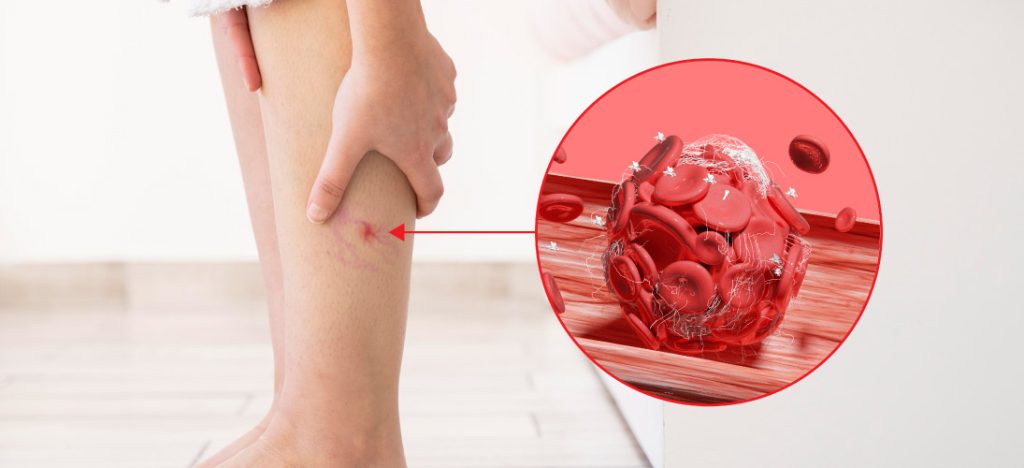
Understanding Venous Insufficiency
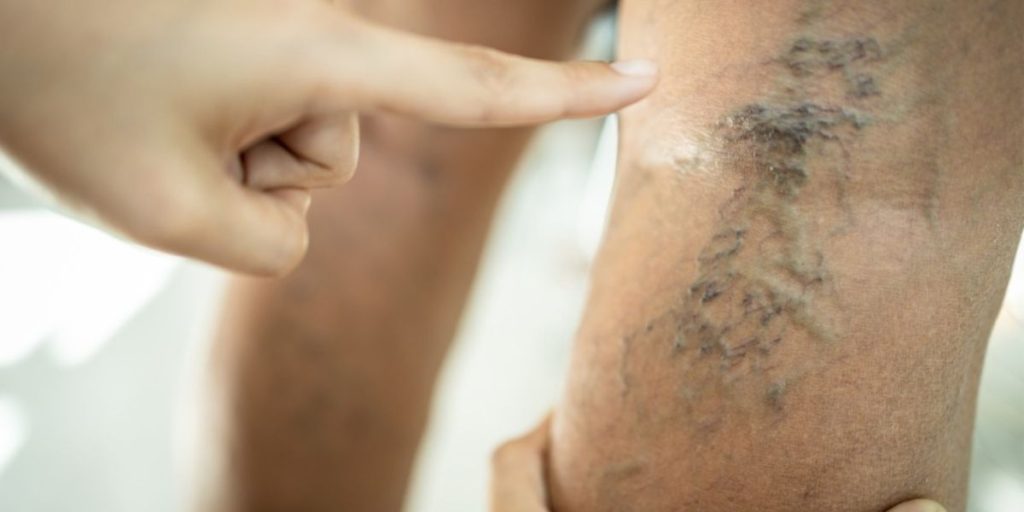
When the veins in your legs get damaged, you may develop chronic venous insufficiency (CVI). Because of this, the veins in your legs have a more difficult time regulating blood flow and transporting oxygenated blood back to your heart. When you have CVI, your blood pools in your leg veins, which raises your venous pressure.
Injury to any of the veins in your legs might lead to CVI. Some of these include:
1. Deep Veins
Large veins deep in your body run through your muscles.
2. Superficial Veins
These are close to the surface of your skin.
3. Perforating Veins
These are the veins that connect your deep and superficial veins.
CVI may initially present with just modest symptoms. However, the long-term effects of this illness can be detrimental to your health.
How To Reverse Venous Insufficiency At Home?
Some of the most effective ways to reverse venous insufficiency are described below.
1. Compression Stockings And Socks
Every patient prescribed for treatment to reverse chronic venous insufficiency naturally also receives graduated compression socks. Symptoms such as leg heaviness, achiness, weariness, and edema can be alleviated with the correct pair of compression socks. They may also alleviate the discomfort caused by varicose or spider veins.
2. Working Out
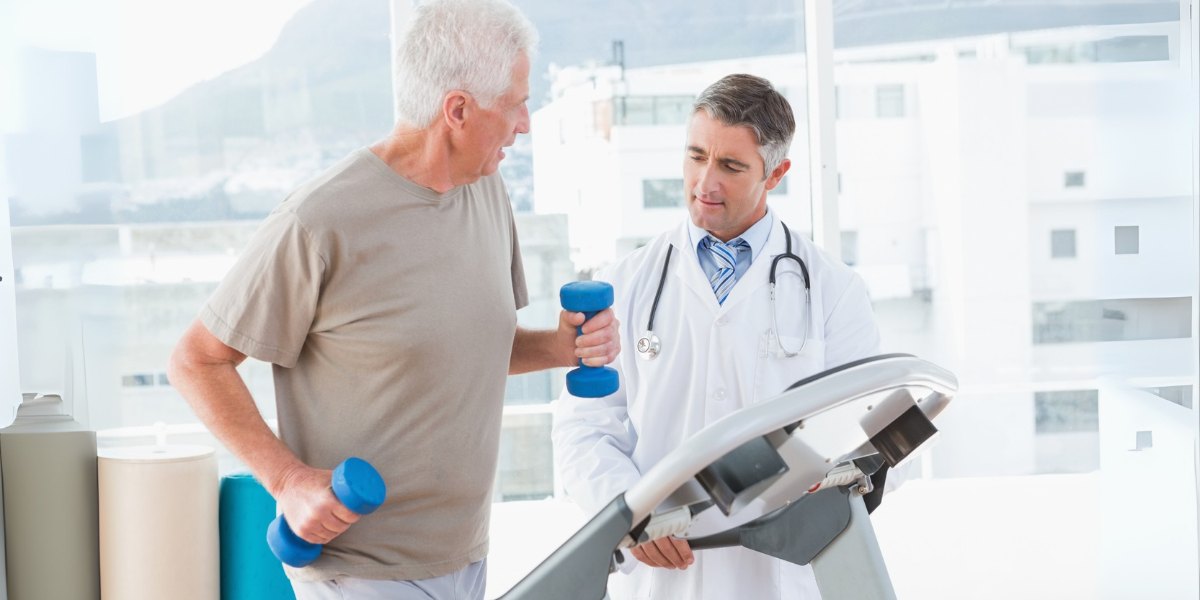
When you move, so does your blood. Your veins depend on muscular movements to help them return used, deoxygenated blood to your heart. If you don’t work out regularly, your blood circulation will suffer. Take numerous breaks from sitting or standing during the day, and aim for at least 30 minutes of continuous, low-impact activity daily.
3. Height
By bringing the lower half of the body closer to the heart, blood flow is improved. After a long day, this is a great way to relax and soothe tired muscles in your legs. A few minutes of elevation may provide significant relief for persons with even mild episodes of venous insufficiency. Legs should ideally be elevated above heart level, although any elevation is preferable. If you want to get the best possible outcomes, you can buy customized leg elevation pillows.
4. Care For The Skin Properly
Dry, irritated skin that is prone to rashes and, in more severe cases, infections and sores is a common symptom of venous insufficiency. Dermatitis, an inflammation of the skin, is occasionally treatable with the right skincare routine.
To prevent dry skin, you should:
- Wear a clean pair of compression socks every day.
- Avoid harsh chemicals like fragrances and antimicrobials.
- Avoid touching your skin throughout the day.
- Hydrate using greasy products like coconut oil rather than runny lotions.
- Avoid picking at your skin during the day.
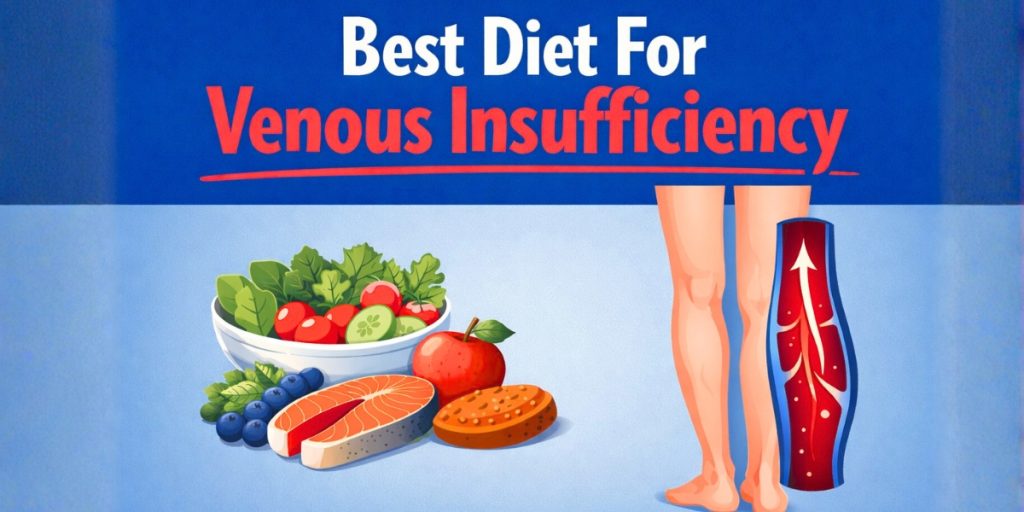
5. Nutritional Aids
Horse chestnut extract has shown promise as a venous insufficiency treatment. If you suffer from venous insufficiency, you may want to consider adding this natural supplement to your current medication regimen. Clinical research has discovered that horse chestnuts can help reverse venous insufficiency, such as leg swelling and itching. Damage and discoloration to the skin from chronic venous insufficiency may potentially be reversed. Insurance rarely covers supplements, but horse chestnut extract is available over-the-counter at health food stores and by prescription under the brand name Vasculera.
Improved blood viscosity is one benefit of maintaining a healthy water intake.
- Diets low in inflammatory foods; These foods are known to cause inflammation, which may theoretically impede blood flow. Animal products, processed foods, and fried foods are examples of what not to eat while on an anti-inflammatory diet. Instead, focus on consuming organically derived, entire meals made at home.
- Supplements like omega-3 and turmeric may help “thin the blood” and reduce inflammation, which in turn promotes healthy blood flow, according to anecdotal evidence. Before beginning a new supplement regimen, it is recommended that you consult with your doctor.
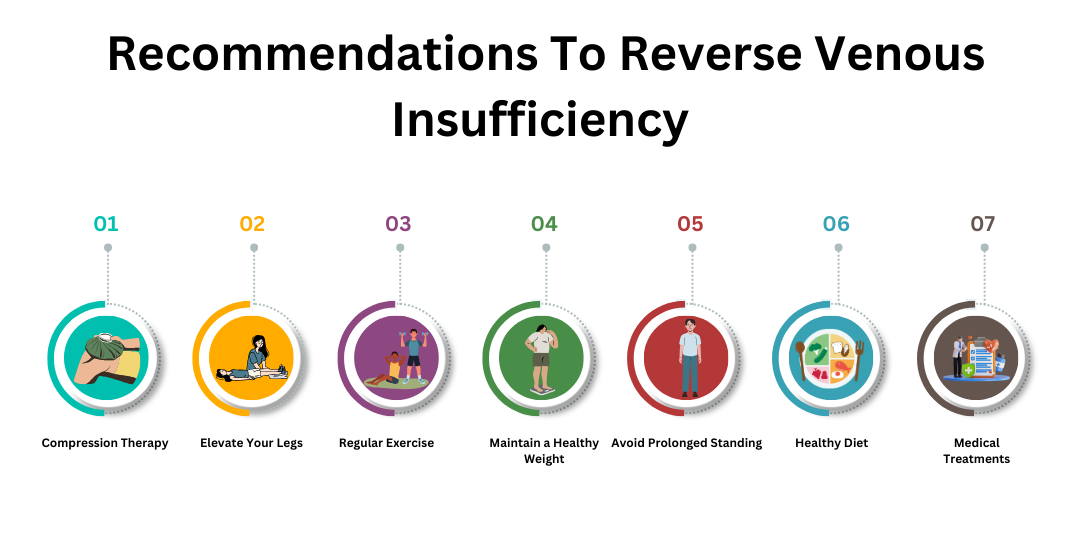
How Can Venous Insufficiency Be Reversed Through Medical Assistance?
1. Sclerotherapy
Sclerotherapy is the medical practice of injecting chemicals into damaged veins in order to block them off and stop blood flow. Scar tissue forms in the treated veins, which eventually disappear when the body reroutes blood flow to healthy veins. Compression stockings or elastic bandages may be recommended between sessions to help with swelling and healing of the legs.
2. Radiofrequency Ablation
In order to perform radiofrequency ablation, a catheter (a thin, flexible tube) is inserted into the defective vein. The catheter’s tip has a heating element that is used to internally heat and seal the vein. You’ll just need a local anesthetic for this outpatient surgery, and you’ll be able to go home the same day. The vein treated with radiofrequency ablation will form scar tissue and disappear when healthy veins take over the leg’s regular blood flow.
3. Microphlebectomy
This non-hospital method is used to treat veins that are too large for sclerotherapy but too small for ablation. The surgeon will make precise 2-3 mm incisions in your skin to eliminate problematic veins. There’s no need for stitches, but you’ll benefit from using an elastic bandage or compression socks while you recuperate.
You can also take measures to alleviate discomfort and increase blood flow, both of which play a role in warding off the development of new spider veins and varicose veins.
- Eat less salt (to control blood pressure).
- Keep your legs elevated (to encourage blood flow up your legs) whenever you sit down.
- Don’t stay in one position for too long (to prevent veins from becoming swollen).
- Increase your muscular contractions (which aid veins in pumping blood) by engaging in regular physical activity.
- Try a pair of compression stockings (to improve blood flow, but only if your doctor recommends them and fits you for them).
- Avoid scaling and irritation caused by venous stasis by keeping the skin clean and hydrated.
In Summary
The symptoms of chronic venous insufficiency can be greatly reduced by leading a healthier lifestyle, but it is essential to focus on the need to receive medical attention for this illness.
A venous insufficiency doctor can give essential assistance and measures to help you manage and reverse the symptoms of chronic venous insufficiency efficiently. Be sure to see a vein specialist at Advanced Medical Group if you think you could be suffering from chronic venous insufficiency so that you can get an individualized treatment plan. With the correct treatment, you may get back to doing what you enjoy and living the life you want.