 Patient Login
 (201) 581-6100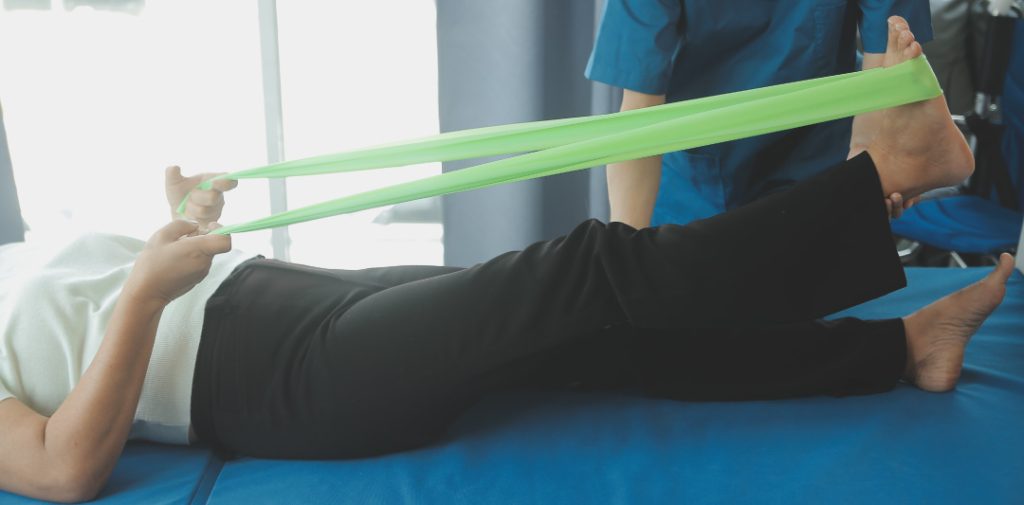
Effectiveness Of Exercise For Peripheral Artery Disease
Discomfort may arise from several sources, but if it escalates into severe pain and swelling, it may well be an indication of Peripheral Artery Disease(PAD). PAD can be a severe illness. It is a condition in which narrow arteries reduce blood flow to parts, usually the legs. This condition generally occurs in old age, but there are several other factors, such as obesity, diabetes, high blood pressure, and genetics which contribute to this condition.
Lack of blood in a particular area of the body may not only restrict movement but also give rise to several symptoms. Pain, fatigue, open sores, and numbness are some examples. However, it all starts with claudication initially. We experience claudication while walking which eases automatically after a few minutes of rest.
Above all, PAD symptoms are fully curable and tolerable. All you have to do is consider taking a peripheral artery disease treatment and include the correct amount of exercise in your routine so that can help manage the symptoms and improve overall health. It is essential to speak with experts before you begin with anything. Advanced Medical Group is a leading figure that can help you on the path to healthier veins. Now, let’s look at the finest exercise for peripheral artery disease so that you can enhance your muscular health.
What Is the Best Exercise For Peripheral Artery Disease?
Exercise can get a little tedious for individuals suffering from PAD. For instance, walking and doing movement can be extremely painful. But because the root of this disease is lack of circulation, exercise can greatly improve the symptoms in a good way. Not just this, it also helps in controlling the risk factors and improves overall cardiovascular health. Some of the best exercises for peripheral artery disease are as follows:
1. Begin With Warmup
People tend to skip the warmup and go straight into the activity. This ignorance can lead to unwanted injuries. The overall idea behind warming up is to make your body feel comfortable and adjusted to the exercise environment. So, if you have PAD, you shouldn’t skip this crucial part of your exercise routine.
Begin with stretching each leg and hip muscle for at least 10-15 seconds before you start. Short twists and turns of the ankles while sitting on a chair would also work. This will prevent sudden muscle cramps and get your muscles ready for the tasks ahead.
2. Get Moving With Walk
Walking is the simplest and best exercise for peripheral artery disease. This low-impact exercise increases your heart rate and can be tailored to your fitness level. It can limit your range of motion and may raise your blood pressure. Also, you may experience pain at first. But stay calm – it is absolutely normal and will ease with time.
Start cautiously, try to maintain a good pace, and keep walking even if you feel a little uncomfortable. You shouldn’t compete to walk the fastest, small steps also count. Another way to develop a walking habit is to walk between pauses and rest for a few minutes when you can’t stand the discomfort. Your goal should be to add five minutes to each walk every week until you can go without stopping for at least 30 to 45 minutes.
3. Cycle Till Your Reach
Cycling is emerging as a therapeutic ally in the battle against peripheral artery disease. It is also a low-impact exercise and significantly engages leg muscles. Cycling keeps the leg muscles active and stimulates blood flow in that body part, thereby reducing pain and discomfort. Slow, rhythmic pedaling promotes cardiovascular health without putting undue stress on the joints.
Whether you ride a bicycle in the park or opt for the home cycling equipment – you will have fun and destress yourself while also reducing the symptoms.
4. Supervised Exercise Therapy
Supervised Exercise Therapy (SET) is an effective treatment, especially for those managing claudication from PAD. This sort of therapy is undertaken under a qualified professional who is trained to provide exercise for such a disease. Specialized trainers or physiotherapists ensure that the benefits of these exercises exceed the harm.
SET sessions generally last for about 30 to 60 minutes. These sessions consist of treadmill-based exercise programs in which patients are advised to walk on the treadmill after a five-minute warmup session until they feel mild to moderate pain. Once the pain starts, the individual is asked to sit and rest until the pain goes. This process is repeated again and again for 60 minutes, including the resting period.
5. Water Exercises
If walking puts too much strain on your legs, you must choose water exercise instead. When you train in water and swim, the water carries most of your weight. In this case, the legs don’t have much to bear. Fluid resistance can be very effective in coordinating your leg muscles with movement and building their resistance to movement. If you still find it difficult to swim, then just prefer walking in the swimming pool area, as it is also known to be beneficial in preventing PAD.
6. Do A Mix Of Several Exercises
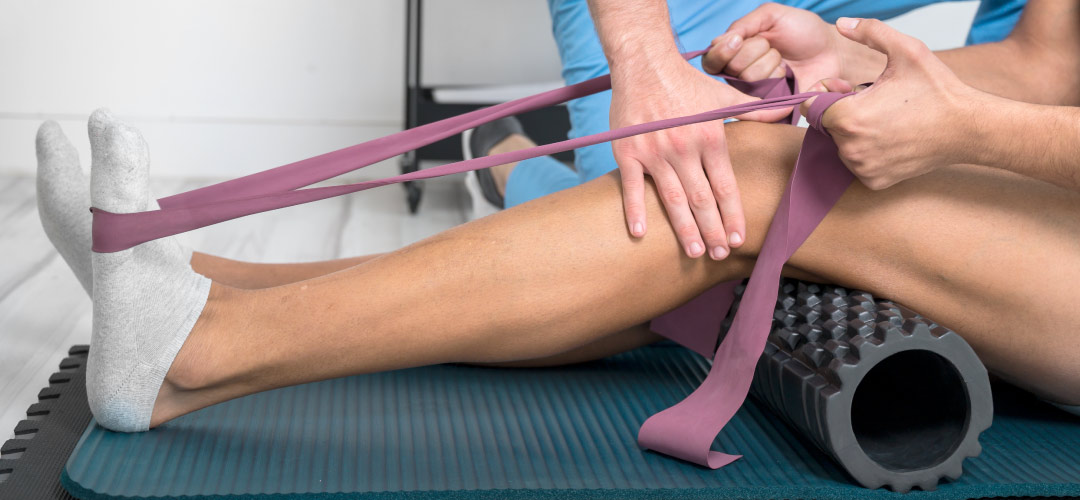
While walking, cycling, and water regimens may prove to be very effective – these are not the only ways to reduce the symptoms of PAD. You can adapt a mix of several exercises, such as stationary discs, gentle yoga, or ellipticals to get your blood flowing without putting pressure on your lower body. Include regimens that target your leg muscles, such as leg raises, leg extensions, and toe curls.
If your legs are in a lot of pain, you can focus on other body parts, such as the core and upper body. Any exercise can help your circulation and overall health and deal with symptoms of PAD.
A Vital Step Towards Vascular Health
Proper exercise is key in managing peripheral neuropathy. Whether it’s a gentle bike ride or a daily walk, staying active can ease symptoms and boost cardiovascular health. When paired with a healthy diet and quitting smoking, the benefits are even greater. Every journey with vascular pain is unique, and Advanced Medical Group is here to support you in living a more active, comfortable life.