 Patient Login
 (201) 581-6100
What Are The Treatment Options For Swollen Legs And Feet?
Swelling in legs and feet is one of the common leg problems that millions of people often face. If the swelling in your legs and feet is due to prolonged standing or sitting or extreme physical stress, then the swelling will go away on its own. However, swollen legs and feet can be a symptom of an underlying health condition like PAD, varicose veins, etc. So, you should be aware of treatment for swelling in your legs and feet and get treated quickly.
Understanding The Common Causes Of Leg And Foot Swelling
There are numerous causes of swelling in your legs and feet, such as being overweight, leg injury, pregnancy, high sodium intake, blood clots, leg infection, underlying medical conditions, side effects of certain medications, etc. Here are some of the best treatment options for swelling in the legs and feet.
1. Minimally Invasive Procedures
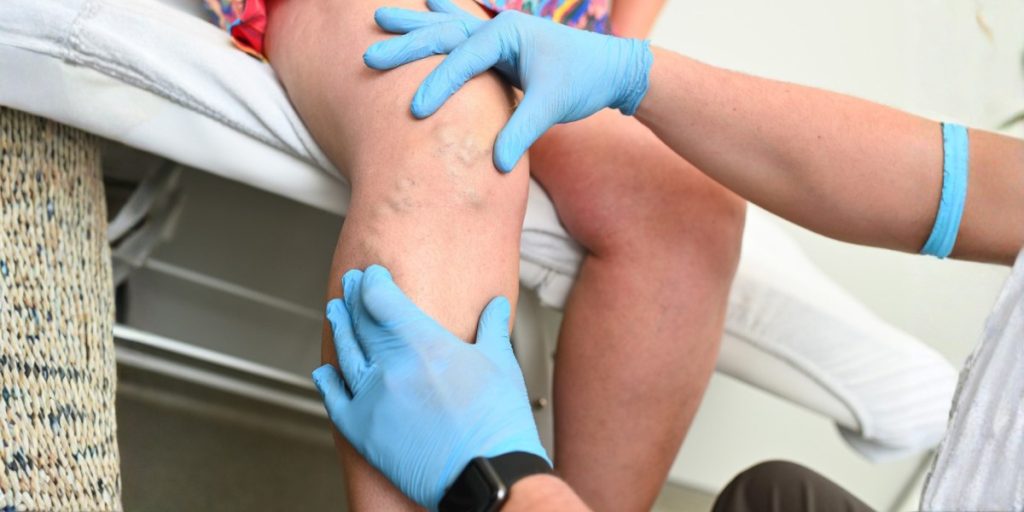
Swelling in your legs, especially lower legs and feet, is one of the warning signs and symptoms of varicose veins, peripheral artery disease, chronic venous insufficiency, etc. In this case, minimally invasive procedures are the best treatment options.
Some of the best minimally invasive procedures for treating swollen legs caused by varicose veins are laser ablation, sclerotherapy, phlebectomy, radiofrequency ablation, lysis therapy, and many more. You can consult Advanced Medical Group to learn more about the different minimally invasive procedures for treating swelling in your legs and feet.
2. Medications
If you have swelling in your legs and feet, one of the basic and most common treatment options is medications. The doctor may prescribe diuretics or fluid pills, mostly furosemide (Lasix), which will reduce the swelling.
If the swelling is caused by inflammation, your doctor may instruct you to use nonsteroidal anti-inflammatory drugs (NSAIDs) like naproxen, ibuprofen, etc. In addition to that, magnesium pills are also recommended, which will give relief from painful swelling.
3. Compression Stockings
Compression stockings or socks are also a practical treatment for swelling in the legs and feet. The doctor will recommend you wear compression or support stockings on your legs that will apply some amount of pressure to your limbs. This will help in reducing swelling in your legs and also relieve pain.
In addition to that, it is better to wear loose clothing to get more relief when your legs and feet are swollen. Also, make sure to avoid wearing tight clothes, especially skin-tight pants, which will increase the severity of your condition and cause more pain.
4. Leg Elevation
The most recommended treatment for leg swelling that is caused by peripheral artery disease is leg elevation. While resting or sleeping, your doctor will instruct you to keep your legs at an elevated position above your heart level. This way, your blood will flow properly and will not accumulate in your legs. It will reduce the swelling and discomfort in your legs and feet.
5. Ice Pack
Putting an ice pack on your legs will reduce the swelling quite easily. Make sure to apply an ice pack for about 15 to 20 minutes with an hour gap in between. Icing regularly will compress the blood vessels and reduce blood circulation to the area. As a result, the swelling and pain will reduce quickly. Make sure to avoid putting on a heat pack, as it might worsen the swelling.
6. Massage And Exercise
Leg massage without applying too much pressure will also reduce swelling and pain in your legs and feet. It is best to hire a physiotherapist who can gently massage your legs and feet, which will help improve your blood flow and circulation.
Also, your doctor may recommend light leg exercises that will give pain relief and reduce the swelling. These exercises are focused on improving your blood flow and circulation without straining your leg muscles.

7. Lifestyle Changes
Lifestyle changes are also a good treatment option for swelling in your legs and feet. There are numerous lifestyle changes that your doctor will recommend, which include:
Your doctor may ask you to avoid taking excessive amounts of salt and carbohydrates. This is because consuming too much salt will increase the accumulation of fluid in your legs, which will make your legs even more swollen and painful. In short, it is better to reduce sodium intake and avoid salty fast food at all.
One of the common misconceptions when you have swollen legs is not to drink water. If your legs are swollen, it is relatively important to stay hydrated and drink about 8 ounces of water every 2 hours. If your body is dehydrated, your body is likely to conserve the remaining fluid, which leads to swollen legs and feet.
If the swelling in your legs is caused by sitting or standing in the same place without moving, then it is best to exercise on a regular basis. You should avoid prolonged standing or sitting and make sure to walk constantly. It is best to avoid a sedentary lifestyle and try your best to live an active lifestyle.
If the reason for swollen legs is obesity, you will need to lose excess fat. You can follow healthy weight loss tips like cutting down oily and sugar foods, eating a well-balanced diet, exercising regularly, etc.
8. Surgical Treatments
If your swollen legs and feet are caused due to an underlying medical condition like liver failure, heart failure, kidney failure, lymphedema, or others, then surgical treatments are required.
Depending on the severity of your medical condition, your doctor will recommend the proper surgical treatment. For instance, if your swollen legs are caused by varicose veins, you may undergo ligation & stripping, valve repair, vein bypass, or other surgical treatments.
Say Goodbye To Swelling One Step At A Time
Swelling in the legs and feet can stem from a range of causes, including obesity, infections, injuries, blood clots, medication side effects, or underlying health conditions. While occasional swelling may subside on its own, persistent or worsening symptoms should never be ignored. If the swelling doesn’t improve within a few days, it’s important to seek medical attention.
At Advanced Medical Group, our experienced healthcare professionals specialize in identifying the root cause of leg and foot swelling. Using advanced diagnostics and personalized care plans, we offer effective, non-invasive treatment options tailored to your specific needs. Whether it’s managing circulatory issues or addressing inflammation, we’re here to help you move toward lasting relief and better health.