 Patient Login
 (201) 581-6100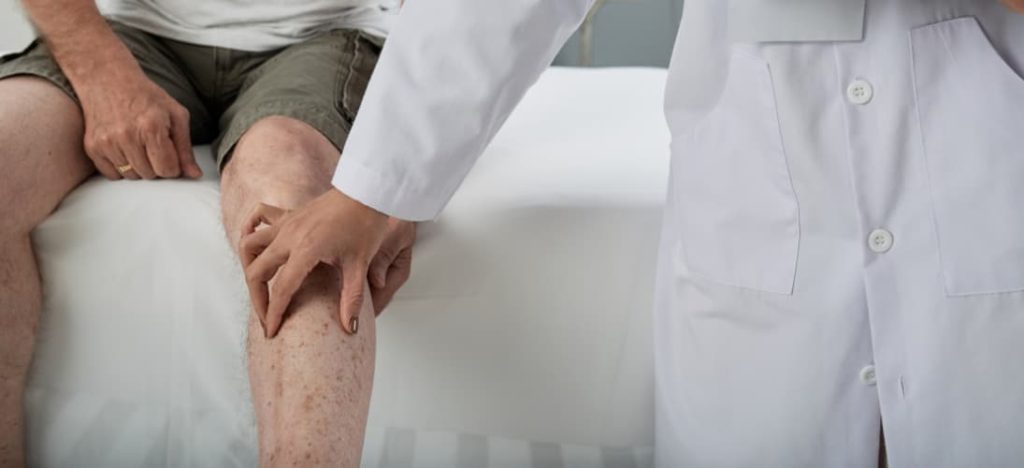
Early Signs Of Peripheral Artery Symptoms
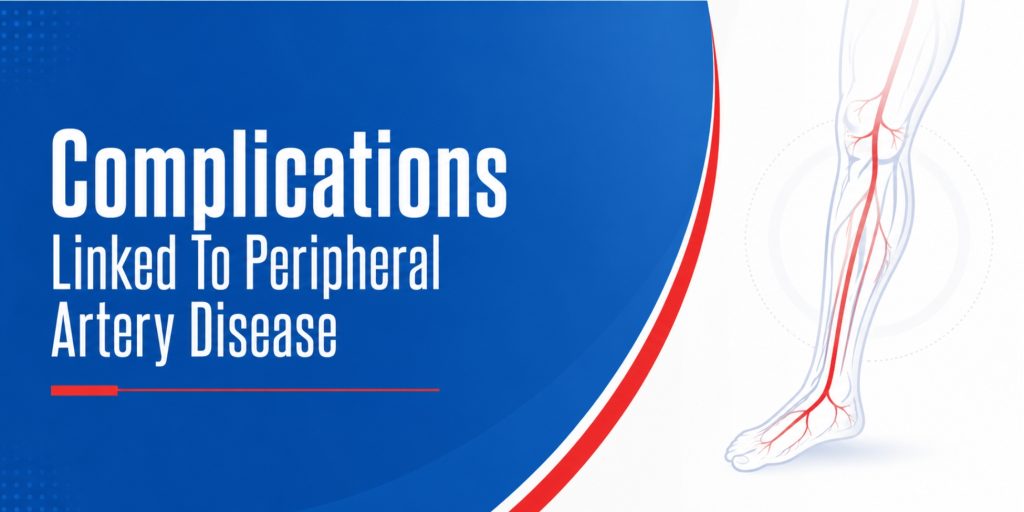
Peripheral artery disease, or PAD, is a condition that reduces blood flow to your limbs because of narrowed arteries in your legs or arms. The National Center for Biotechnology Information states that about 12 to 14% of people suffer from peripheral artery disease. Knowing the symptoms of peripheral artery disease will make it easy to diagnose and get proper treatment in the early stages.
When fatty deposits, often called plaque, accumulate in the arteries of your limbs, it will narrow the arteries. Due to that, the blood flow will be reduced which can lead to discomfort, tingling sensation, and pain in your legs and arms. If not treated early, peripheral artery disease can lead to severe health consequences like stroke, heart attack, etc.
Asymptomatic, claudication, critical limb ischemia, and acute limb ischemia are the four different stages of peripheral artery disease. The PAD symptoms will become relatively severe with each stage. Asymptomatic is considered the first stage, while acute limb ischemia is the last and most severe stage of peripheral artery disease.
The Common Causes Of Peripheral Artery Diseases
- Atherosclerosis
- Age
- Family history
- High cholesterol
- Obesity
- Arm, leg injuries or wounds
- Inflammation of blood vessels
- Exposure to radiation
- Changes in ligaments or muscles
Wondering what are the symptoms of peripheral artery disease? Vein doctors state that nearly 50% of people suffering from peripheral artery disease do not exhibit any signs and symptoms of peripheral artery disease, which is why they often reach severe stages of peripheral artery disease. Here are some of the possible symptoms of peripheral artery disease.
Pain In Legs
One of the earliest and most common symptoms of peripheral arterial disease is pain and discomfort in your legs. Regardless of whether you are sitting, standing, or sleeping, people with PAD experience leg pain often. Depending on your condition, the pain or discomfort in your legs may last a few minutes or a long time.
Leg Numbness
If you have peripheral artery disease, you may often feel that your legs are numb or weak. This weakness or numbness of your legs is due to the build-up of plaque and reduced blood flow. In addition, you may have a tingling sensation or get the feeling of standing on pins and needles.
Cramps
People with peripheral artery disease will often suffer from cramps, especially during nighttime. It is important to note that you may experience cramps in either or both of your legs. Cramps in hips, calves, buttocks, and thighs are also common.
Coldness In Your Legs
Coldness in your legs or feet is one of the common symptoms of peripheral artery disease. Due to insufficient blood flow in your limbs, you are likely to experience coldness in your lower legs frequently.
Non-healing Skin Sores
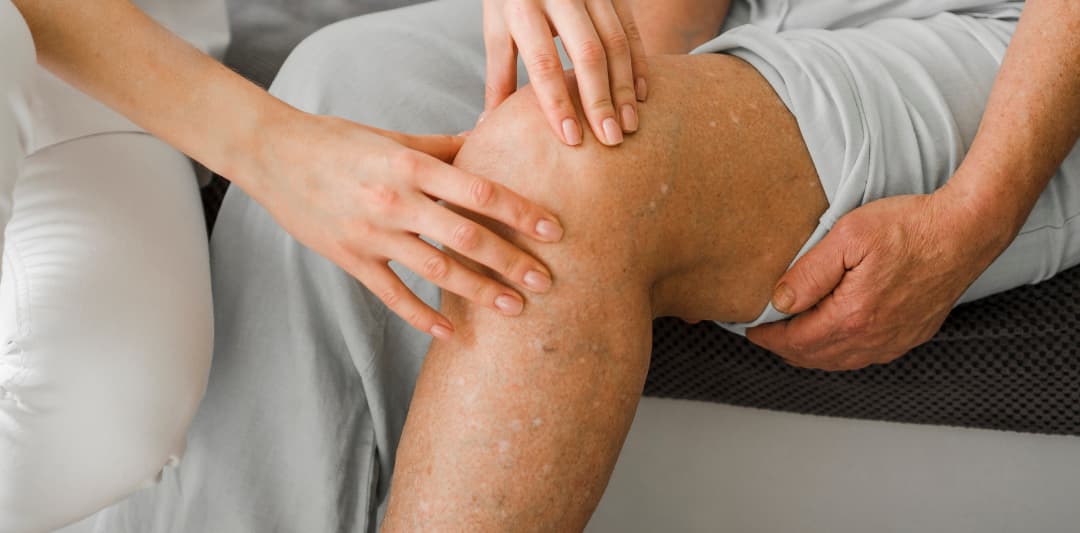
The accumulation of fatty deposits and lack of blood flow can cause non-healing skin sores or ulcers on your skin. The wounds or skin sores often arise on your legs, feet, and toes. In the majority of the cases, they do not heal or heal relatively slowly.
Skin Infections
The non-healing wounds can often become infected if they are not treated for a considerable period of time. As a result, you are likely to suffer from different types of soft tissue infections and skin infections.
Skin Color Changes
If you are in severe stages of peripheral artery disease, the color of the skin on your legs will change. The skin may become reddish, blue, or discolored. In some cases, your legs, especially lower legs, might become extremely pale.
Weak Pulse
If you are suffering from peripheral artery disease, the blood flow in your legs will decrease severely. Insufficient blood flow will weaken your leg pulse and also often cause loss of pulse.
Erectile Dysfunction
Erectile dysfunction is also one of the signs and symptoms of peripheral artery disease where the male can not erect or keep the erection only for a short amount of time. However, it is important to note that not all people with peripheral artery disease will experience this symptom.
Slow Hair Growth
If you have peripheral artery disease, another possible symptom is slower hair growth. Also, the body hair on your legs will grow very slowly or fall off if your PAD condition is relatively severe. In addition to that, the growth of toenails will also be reduced in people with peripheral artery disease.
Recognizing PAD Symptoms And Exploring Treatment Options
The vein doctor at Advanced Vein Group will choose the proper treatment option after considering your medical history, the severity of the signs and symptoms of peripheral artery disease, your current peripheral artery disease stage, etc. The PAD treatment options include medications, lifestyle changes, and minimally invasive procedures.
- A well-balanced and low-cholesterol diet is another common treatment for PAD, where excess sugar, trans fat, oily, and salty foods should be avoided.
- If you exhibit numerous symptoms or your PAD condition is severe, the vein doctor will prescribe medications such as oral anticoagulants, antiplatelet agents, angiotensin-converting enzyme inhibitors, statins, etc.
- Meditation and yoga are also recommended by doctors to help you take less stress and maintain a healthy body weight.
- Avoid smoking tobacco and other tobacco-related products because smoking puts you at a higher risk of suffering from sudden stroke or heart attack.
- Some minimally invasive procedures like stents, angioplasty, atherectomy, and peripheral artery bypass surgery are performed by doctors if you have a severe peripheral artery disease.
Your Guide To Identifying PAD Signs
Peripheral artery disease develops when fatty deposits accumulate in the arteries, leading to restricted blood flow and causing leg pain. If you notice any of these symptoms, seeking the expertise of a PAD specialist at Advanced Medical Group is crucial for receiving effective treatment. Consulting with a specialist can help address the condition and prevent potential complications, ensuring you receive the appropriate care and support for managing PAD effectively.