 Patient Login
 (201) 581-6100
Understanding Medical Treatments For Peripheral Artery Disease
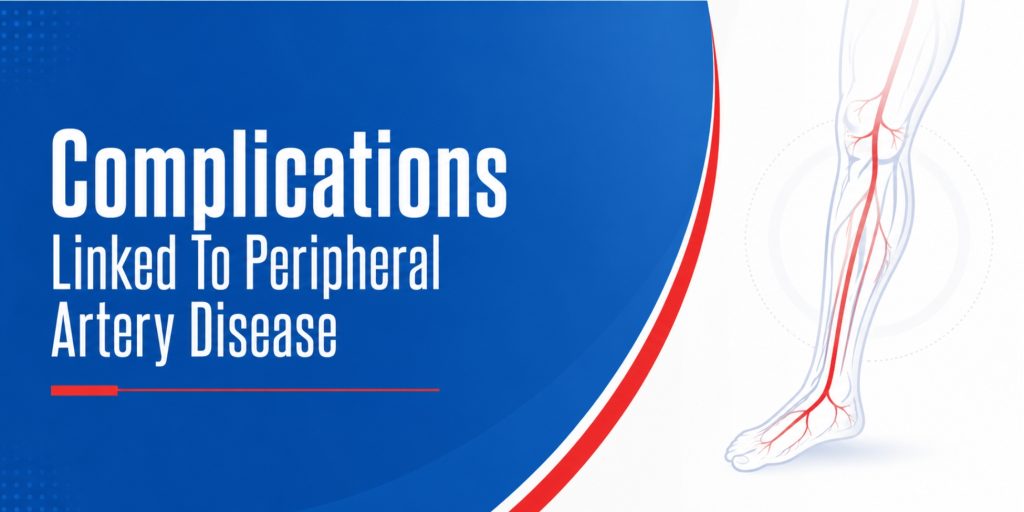
Peripheral Artery Disease (PAD) prevents normal blood circulation in the arteries, and it is often seen in the legs. It is seen as fatty deposits that shrink arteries, making blood circulation less effective. It might feel like leg cramps, numbness, or weakness. In other cases, PAD may also lead to severe medical conditions such as stroke or heart attack.
What are the medical treatments for peripheral artery disease? Nowadays, people have various options that can help enhance circulation, decrease symptoms, and avoid complications. In this article, we will describe different ways of treating peripheral artery disease in plain words to help you understand your choices better.
Treatments For Peripheral Artery
Disease Doctors might recommend lifestyle changes or medications to treat PAD. However, if medicines and lifestyle changes don’t work, doctors can use procedures to improve blood flow. These are later-stage treatments for peripheral artery disease; specialists like vascular surgeons perform them in most cases.
1. Angioplasty And Stent Placement
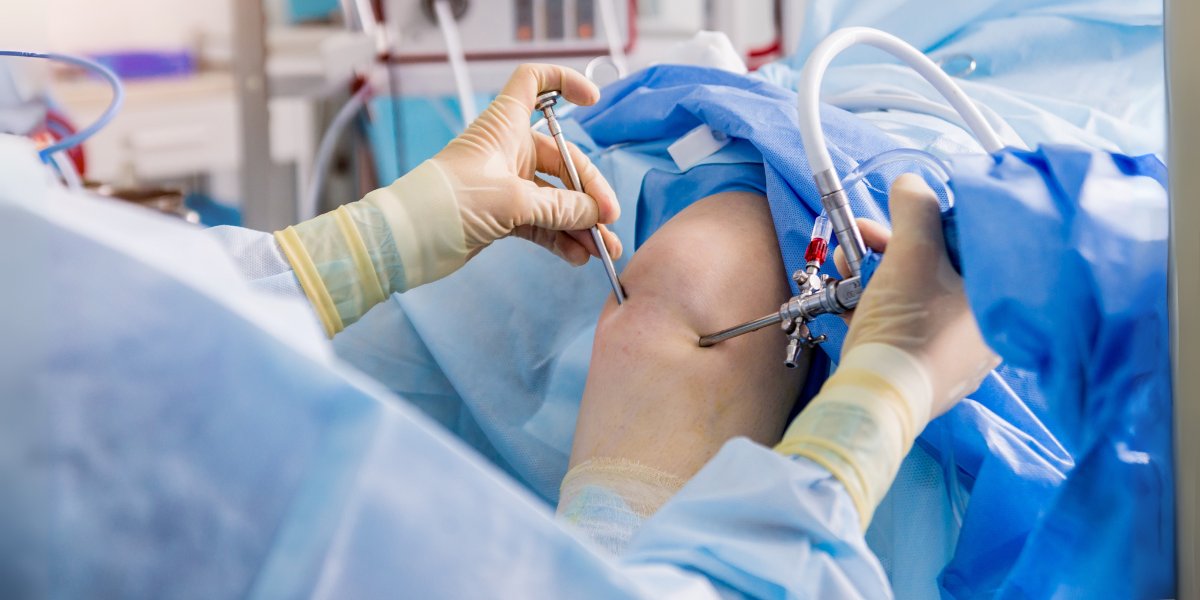
During this procedure, a small balloon is introduced inside the narrow artery and inflated to widen it. It may involve tucking in a small mesh tube (a stent) into the artery and utilizing it to keep it open. This improves blood flow and removes leg pain.
This is a minimally invasive procedure, often done with local anesthesia; thus, the recovery period is quicker than that of a traditional surgery. It is among the widely used PAD treatments, as it quickly alleviates symptoms. Nevertheless, patients may still need medication and lifestyle care.
2. Atherectomy
Atherectomy is a minimally invasive procedure in which doctors carefully clean the artery walls using a specialized instrument to eliminate plaque buildup. This helps restore healthy blood flow and can reduce symptoms such as chest pain or leg cramps caused by restricted circulation. In many cases, angioplasty and stents may augment this surgery to further widen the artery and keep it open for long-term effectiveness, preventing recurrent blockages and significantly improving patient outcomes.
When arteries are too hard or calcified, they often benefit from atherectomy alone, as opposed to balloons or stents only. The procedure involves equipment such as lasers, rotational blades, or diamond-encrusted burrs to eliminate the plaque. Although it assists in enhancing the flow of blood, the patient has to administer drug treatment and tests to prevent further vascular blockage.
3. Thrombolytic Therapy
In cases of PAD resulting in a blood clot, doctors can administer clot-dissolving medications injected directly into the affected artery. This assists in restoring blood quickly.
This therapy is often used in emergencies where blood flow must be restored quickly to save the limb. It may be combined with angioplasty if the artery is still blocked by plaque after the clot is dissolved. Although effective, it carries risks like bleeding, so doctors carefully evaluate patients before recommending it.
These surgeries are noninvasive compared to surgical procedures and may be done in clinics such as Advanced Medical Group.
Surgical Treatments For PAD
When blood circulation is dramatically obstructed due to more severe cases of PAD, surgery is likely to be required. Surgical treatments for PAD include:
1. Bypass Surgery
The doctors form a bypass around the blocked artery using either a vein or a fabricated graft. This enables the blood to flow normally around the arterial block.
In cases in which angioplasty or stenting is ineffective or cannot be used at all, bypass surgery may be recommended. Bypass surgery can significantly improve walking, decrease pain in the legs, and improve overall quality of life.
2. Endarterectomy
During an endarterectomy, fatty materials or plaque are delicately scraped off the internal lining of a blood vessel. It assists in restoring blood flow, diminishes the chance of heart attack, i.e., cardiovascular attack or cardioelectric, and it helps in vascular health and improved circulation.
This treatment is specifically effective in situations in which the blockage is present in the neck or large arteries. It may require some time to recover, but it can bring permanent relief to PAD symptoms.
3. Amputation (Rare Cases)
Extreme PAD may cause damage to tissues, and amputation may be involved when it can no longer be treated.
Doctors are concerned about saving as much functionality as possible and offering patients a prosthesis for mobility. Rehabilitation and treatment are necessary for the patients’ shift after an operation.
Advanced Medical Treatments And New Approaches
Current medical practice gives people more opportunities to treat Peripheral Artery Disease. Other advanced treatment options that compounding clinics like Advanced Medical Group offer include:
- Stem Cell Therapy and Gene Therapy: Scientists are investigating how stem cells or genes can be used to develop new blood vessels and enhance circulation.
- Advanced Drug Therapies: Newer medications are being considered for reducing the plaque and improving walking ability.
- Hybrid Procedures: There are treatment programs that integrate the minimally invasive treatment with a surgical program to ensure desirable outcomes.
Such emerging medical interventions or therapies in peripheral artery diseases provide the patient with a better hope of healing and quality of life.
Preventing Complications Of Peripheral Artery Disease
Along with treatments, prevention also matters in PAD treatment. Primary objectives of treating PAD are:
- Reduce pain and improve walking ability.
- Avoid heart attack and stroke.
- Prevent such extreme complications as gangrene.
- Enhance blood circulation and oxygen supply to affected limbs.
- Minimize the risk of further arterial blockages.
- Support wound healing in case of foot sores or ulcers.
- Improve overall cardiovascular health and quality of life.
- Reduce the need for invasive surgeries through early management.
Healthier Arteries And Better Living
PAD is a potentially fatal but treatable condition. Whenever people ask, What are medical treatments for peripheral artery disease? Among the possible answers, several spectrums are represented: changes in lifestyle, treatment with medicines, minimally invasive surgery, and surgical intervention.
Advanced care patients with trusted providers can receive the proper form of PAD treatment, and this is based on their requirements, using Advanced Medical Group. Adjusting in a timely way and strict adherence to the treatment regimens will help transition towards an active, healthy life with PAD.