 Patient Login
 (201) 581-6100
Check The Warning Signs Of Leg Swelling You Shouldn’t Ignore
Are you ignoring your swollen legs? Does it seem normal? There might be a bigger issue than you thought. The human body is willing to show signs of illness to rush and get treatment before it worsens. But ignoring sudden or persistent issues can make you really sick in the future.
Notice these warning signs of leg swelling and try to understand the reasons behind them. Swelling in your lower limbs can indicate the possibility of many infections, diseases, and fatal situations. If the swelling goes away after rest and is not repeatedly occurring, it may happen because you are standing for long hours.
Anyway, ignoring persistent warning signs will end up compromising your health. Therefore, take immediate action whenever you notice swollen lower limbs. Consider these five warning signs of leg swelling you shouldn’t ignore to get treatment quickly.
5 Dangerous Signs Of Leg Swelling
While leg swelling can sometimes be harmless, it’s essential to know when it might be signaling something more serious—here are five warning signs you shouldn’t ignore.
1. Sudden Swelling In One Lower Limb
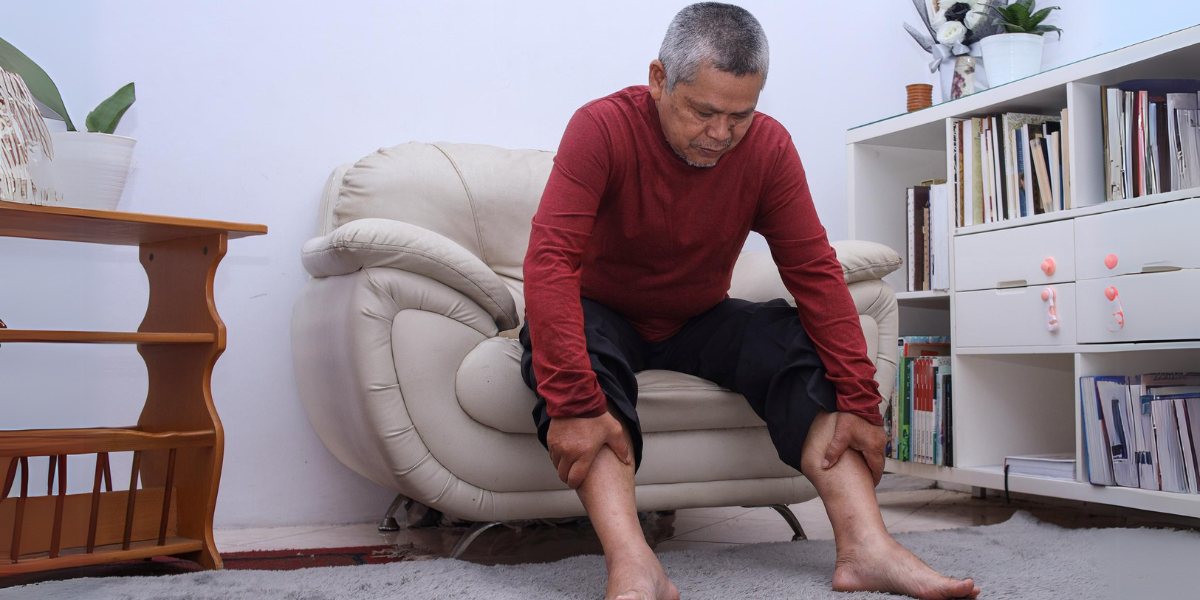
One swollen leg appears strange, and it is also a big reason to worry. The asymmetry in your legs is a warning sign that you cannot ignore. Notice if your one leg is appearing larger than the other and it took only a few hours to get it swollen. You may experience tenderness in your thigh.
Look at the skin carefully, as it may appear pale or slightly blue. It can be a blood clot in your leg’s deep vein, which is also known as DVT. The blood clot reaches the lungs and causes a fatal pulmonary embolism.
This condition is possible if you stay immobile for long hours while on bed rest or boarding a long flight. Having pain in your lower limb is not necessary, but swelling is enough to take immediate action. Call your doctor for consultation and get the right treatment for swelling. You may need blood thinners to remove or prevent blood clots.
2. Swelling In Legs With Redness And Warmth
If your leg appears bigger than usual, discoloured, and warm to the touch, there may be a blood circulation issue. By discolouration, it means that your swollen skin looks red or purple. It may feel warm to the touch. Even when you are at rest, you may experience pain. In severe cases, the patient may experience shivers or a high fever.
It may happen due to a bacterial infection, i.e., cellulitis, that may affect deep skin layers. It requires proper antibiotic treatment to reduce the infection and provide relief from symptoms. If ignored, it can spread and turn into sepsis, which is life-threatening.
You cannot even make it longer as the pain gets worse, and it will become unbearable. The risk of getting this infection is high in diabetic patients or those with a weak immune system. Get leg swelling treatment before the infection becomes fatal to your life.
3. Chronic Swelling Getting Worse By The End Of The Day
Like every day, you must be busy with your chores. But suddenly, you notice swelling in your legs in the morning that gets worse by the end of the day. You may feel heavy and experience fatigue while moving around. Check if the swelling occurs in the ankles or lower legs on both sides. If your legs have varicose veins and feel heavy, you might be suffering from CVI.
It is difficult for veins to circulate blood to the heart. Blood may get stagnant in the lower limbs, which leads to fluid buildup along with discomfort. If ignored, CVI can cause venous ulcers and badly affect the skin layers.
Your doctor may evaluate this problem as a compromised vascular system and provide the required treatment. In severe cases, surgery is the only solution to remove the swelling, and do various exercises, or wear compression stockings.
4. Leg Swelling With Chest Pain And Difficulty In Breathing
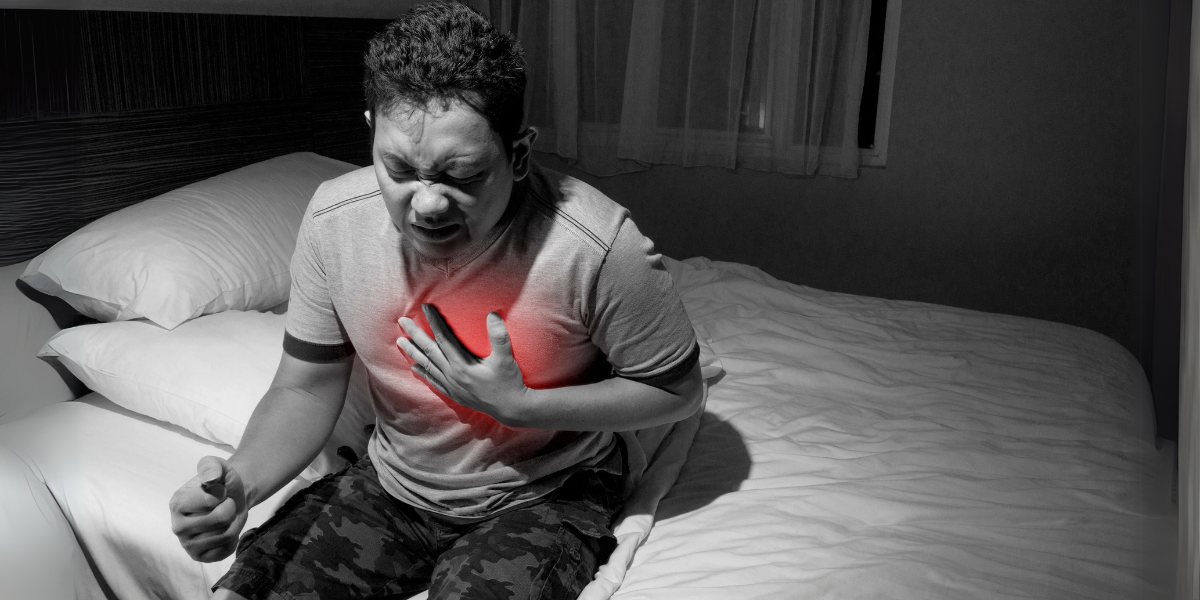
Another red flag sign you can assume with leg swelling is chest pain and shortness of breath. These symptoms can be fatal and need quick attention. You may ignore swollen lower limbs, but if shortness of breath appears suddenly along with chest pain, act fast.
Also, check if the heartbeat is fast and if you have symptoms like dizziness. There is a chance of having pulmonary embolism or CHF (Congestive Heart Failure). In this condition, your heart is unable to pump blood properly, and it may cause fluid buildup in your legs, lungs, and other body parts.
But if you are suffering from pulmonary embolism, the blood clot is formed in your legs and moves towards the lungs. It can be a life-threatening condition, and it is necessary to rush to a hospital to get treatment immediately.
5. Persistent Swelling, Even If You Rest
Elevating your feet is an effective way of reducing swelling in your feet and legs. But even after trying a lot, it is still the same. Know the possible causes of leg swelling. Check the swollen skin, as it may appear stretchy, shiny, or dimpled when pressed.
Some people may experience itchiness and dryness. Persistent swelling in the legs can happen due to chronic kidney or liver disease. Due to organ failure, fluids and toxins build up in the body. It causes legs to swell and reduces urine output. There is another issue, called Lymphedema, which can be seen with this symptom.
Due to the failure of the lymphatic system, fluid regulation becomes difficult, which leads to swelling. Never ignore this warning sign and visit the doctor immediately. Get some lab tests done to ensure your organs are working well. Get appropriate treatment for swelling in feet and legs.
Get The Right Leg Swelling Treatment
Swelling in your lower legs is a way of telling that something is seriously affecting your body. Instead of ignoring the signs, address them immediately by visiting the doctor and knowing the possible reason for swollen legs.
Get timely treatment to recover before it gets too late, and nothing works. Keep observing your legs regularly and consult the Advanced Medical Group if you experience any of the symptoms.