 Patient Login
 (201) 581-6100
Effective Foot Care Strategies For Peripheral Artery Disease Patients
More than 200 million adults have been afflicted with PAD worldwide. This increases as high as 20% in individuals older than age 70, thus affecting a wide set of populations.
Very often, patients are unaware of the important link between PAD and proper foot care. PAD is a disorder wherein the blood flow in your lower extremity region decreases; therefore, careful monitoring and management of foot care becomes highly critical in the overall management.
Be it symptoms of PAD, including pain in the legs, cramping, or slower healing wounds, paying extra attention to the health of your feet can make quite a difference in your daily life.
In this guide, we will be looking at some very effective foot care tips for PAD patients that will help you understand just how minor day-to-day habits can be life-changing for a PAD patient.
8 Top Foot Care Tips For PAD Patients
In PAD, the feet are especially vulnerable due to limited blood flow, making even minor injuries harder to heal. Consistent care and attention can help you avoid complications and stay mobile.
Let’s Explore essential foot care tips for managing PAD that complement your treatment plan, promote healthy circulation, prevent complications, and support your journey toward effective PAD treatment and overall wellness.
1. Check Your Feet Every Day
PAD restricts blood flow to the feet, which then becomes quite vulnerable to injury, cuts, and infections. Inspecting the feet daily will help identify any problem so that the disease does not increase in intensity. Check for:
- Cuts, blisters, or sores
- Redness or swelling
- Cracked skin or unusual discoloration
The key to any complication and major medical events is early detection of minor problems.
2. Keep Your Feet Clean And Dry
Hygiene is very important for the care of the feet of a patient with PAD. The feet should be washed daily using lukewarm water and mild soap. After washing, the feet should be dried well, most importantly between the toes, to prevent fungal infection.
For instance, one patient with PAD found that merely pat-drying her feet lightly with a towel greatly reduced incidents of athlete’s foot. She also started smearing a moisturizing cream into her skin each day to avoid letting the skin get too dry or her heels become cracked.
3. Wear Proper Footwear
For any patient with PAD, it is important to choose proper shoes. One should avoid shoes that are too tight and may cut off circulation; on the other hand, ill-fitting ones can lead to blisters or pressure points. Look for shoes that:
- Provide ample space for your toes
- Have a cushioned sole for support
- Offer good ventilation to prevent sweating
For added protection, avoid walking barefoot, even at home. It’s easy to step on something sharp and injure the foot without realizing it, especially if experiencing numbness caused by PAD.
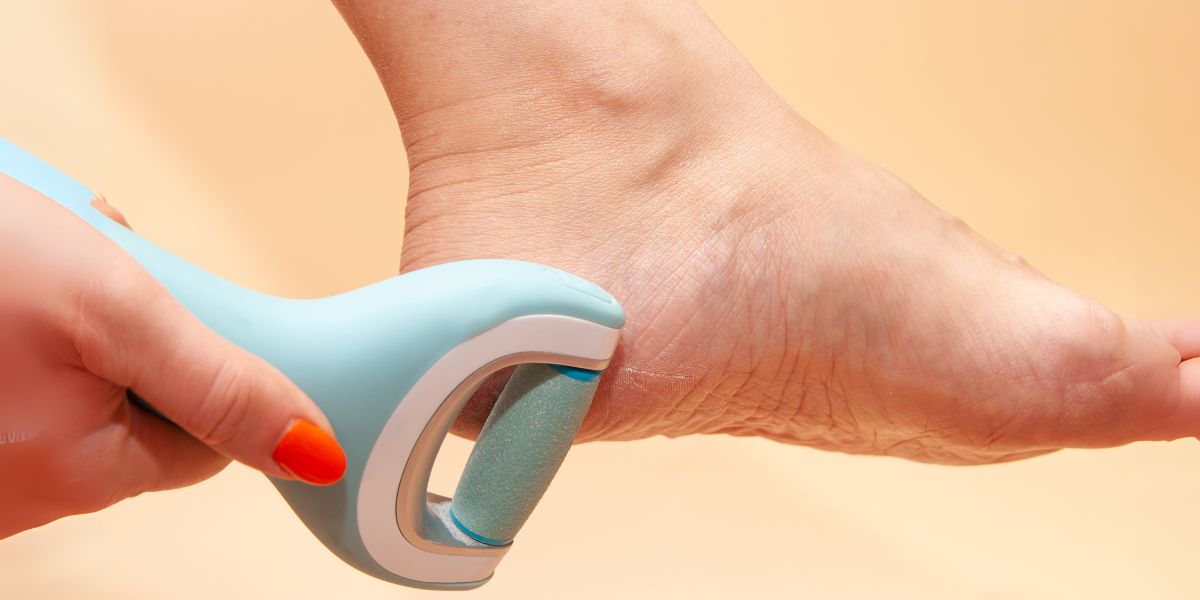
4. Cut Your Toenails With Care
Ingrown and overgrown toenails can hurt and become infected. Cutting your nails straight across and preventing short lengths will help you maintain good nail health. If a person cannot see or reach their feet, podiatrists are here to assist in nail care techniques to prevent injury.
For example, a PAD patient, while attempting to trim his toenails too close, accidentally caused a small cut that eventually became infected. After this experience, he decided to get regular professional nail care, successfully reducing his risk of similar medical issues.
5. Avoid Extreme Temperatures
People with PAD often have diminished sensation in their feet and are, therefore, at greater risk for burns or frostbite. Avoid extreme heat or cold to the feet. For example:
- Avoid applying hot water bottles or heating pads directly to the feet.
- Wear warm socks during colder months to keep your feet warm.
If you are unsure about the temperature of the water that you will be washing your feet with, first test the water with your hands.
6. Stay Physically Active
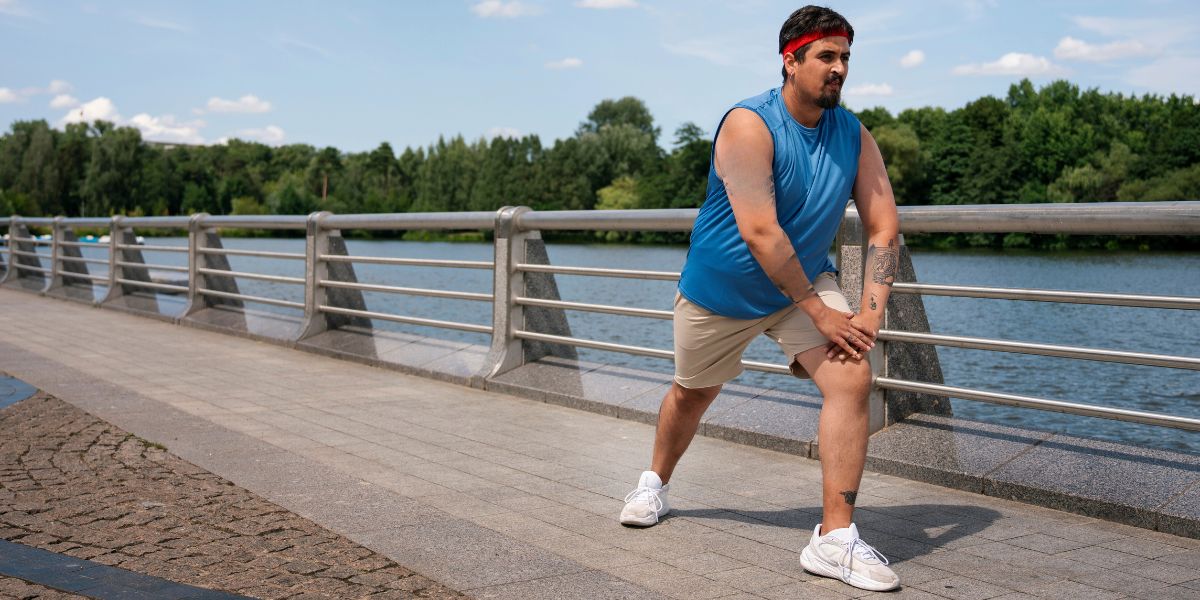
One will see increased circulation through regular exercise which is very important for any person diagnosed with PAD. Aerobic workouts such as walking, cycling, or swimming can go a long way in bettering blood flow to the legs and feet. Even slight stretching at work or home can aid your problem. However, exercise cautiously to avoid muscle strains or pulls.
For instance, a 65-year-old PAD patient started taking short daily walks around his neighborhood. While his legs initially felt sore, he noticed improved circulation and reduced cramping. His doctor encouraged him to continue this routine as part of his PAD treatment.
7. Don’t Ignore Pain Or Changes
Consult a PAD treatment doctor immediately if your feet ache constantly, the skin discolors, or the wound heals poorly. These signs, if neglected, can further worsen into infections and ulcers.
Consider another PAD patient who noticed a persistent sore on his foot that wasn’t healing. Instead of waiting, he visited his doctor, who prescribed treatment that prevented further complications. Being proactive about seeking medical advice can make all the difference.
8. Quit Smoking And Manage Chronic Conditions
Smoking considerably worsens PAD, further narrowing the vessels and reducing blood flow. If you quit smoking, it will not only contribute to your overall health but also guarantee an improvement in the blood circulation of your feet. Other measures for the treatment of PAD, besides quitting smoking, include the control of conditions such as diabetes and high blood pressure.
For example, being a PAD patient and earlier a smoker, a patient claims to have improved her life after quitting smoking. Her symptoms also improved with the efforts of her doctor to make her blood sugar levels settle down.
Take Small Steps For healthy Feet
When managing PAD, foot care should be a daily priority. Simple habits like daily inspection of the feet, proper footwear, and physical activity will go a long way in preventing complications. Remember, early detection of PAD symptoms and timely action are key to managing PAD effectively.
Advanced Medical Group is here to help those people seeking professional help with peripheral artery disease treatment. At Advanced Medical Group, health is kept at the frontline to guide you toward an improved way of living a life.
It’s time to move toward healthier feet and, subsequently, improved overall health.