 Patient Login
 (201) 581-6100
Everything About Podiatrist’s First Visit
Foot and ankle troubles can be challenging to deal with, which is why it’s important to select a reputable podiatrist. These specialists address foot problems such as toe deformities, bunions, ingrown toenails, and plantar fibroma, as well as problems of the foot and ankle, such as arthritis, tendonitis, sprains, and other injuries that could be diabetic foot conditions. The podiatrist, a foot care expert, can also treat problems like heel spurs, arch issues, corns, cysts, bone problems, and shortened tendons that other health practitioners address.
If this is the first time you visit this specialist, you must know his consultation process; this process can help you prepare for your visit. This article will clarify what a podiatrist does on the first visit and explore the measures to consider before the consultation.
What Does A Podiatrist Do On His First Visit?
If you are curious about what a podiatrist does on the first visit, visit the nearest podiatrist in person. During your conversation, the doctor strives to collect pertinent details about the patient’s medical history.
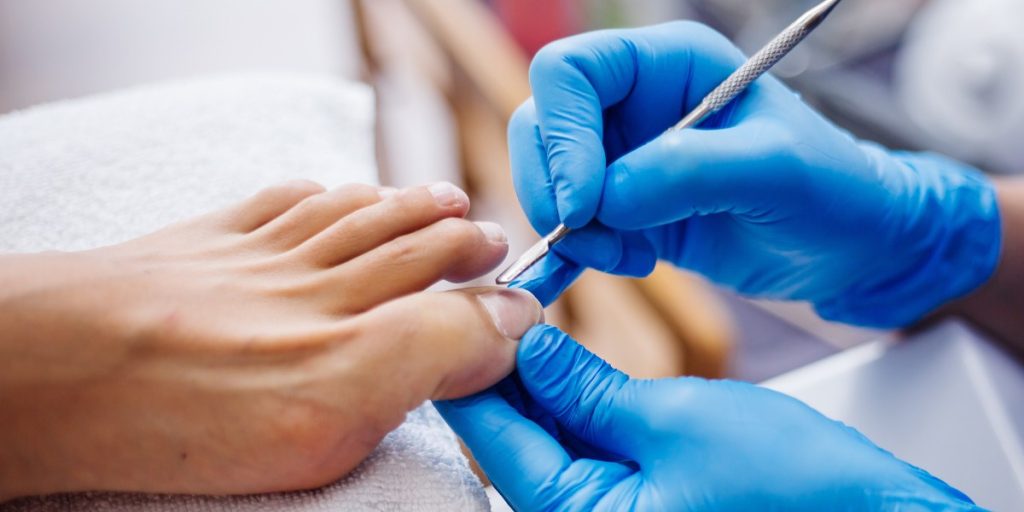
He thoroughly examines the affected areas to detect the exact issues. Though the appointment procedure varies from one podiatrist to another, a few steps remain common. Some of the vital steps involved in the first podiatric appointment are as follows:
Initial Consultation
This is the most critical phase of a portraitist’s first visit. It involves an in-depth consultation to understand the patient’s concerns and medical background. Past medical history is reviewed religiously, the affected part is checked manually, and symptoms are observed well.
The doctor also enquires about the ongoing medicines, lifestyle habits, and devices like footwear. All symptoms are noted down sincerely to understand key triggers and timelines. In this case, physical and visual examinations are performed to check infection signs, poor circulation, skin conditions, and deformities. Gait analysis is also performed to analyze issues affecting walking patterns. You might be asked to walk in a straight line so that your doctor can notice your movements.
Enquiry About The Patient’s Medical History
You must carry your old medical reports, as the doctor will evaluate them. The doctor will ask you about the duration of your issue, medications taken, previous surgeries, ongoing foot issues, and others. He will also inquire about your foot-maintenance habits and lifestyle. If you are overweight, he will recommend that you reduce your weight so that the pressure on your feet is minimized. He might even ask you to fill up a special questionnaire mentioning all your medical details and your family’s medical history.
Physical Examination
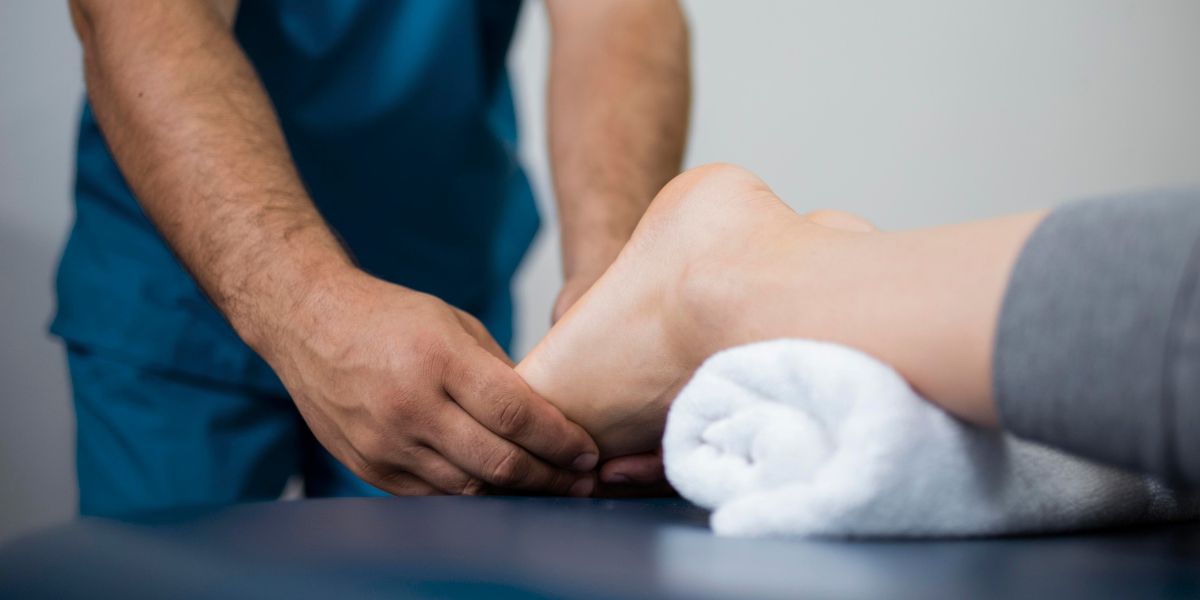
This is the most essential part of your first-time visit to a podiatrist. Problems like toenail brittleness or discoloration, lower back and heel pain, ingrown toenails, and bunions cannot be detected well without physical checking. On the other hand, poor blood circulation in your lower legs is also observed closely. Gait issues can only be appropriately evaluated with a thorough physical examination.
Diagnostic Procedures
What does a podiatrist do to treat their patients efficiently? The doctor often prescribes a few diagnostic tests, exceedingly when doubtful about the exact reason behind the patients’ issues. These tests are usually recommended based on the physical examination and initial consultation.
Discuss Findings
Based on the assessment or diagnosis reports, doctors discuss treatment options or further examinations in detail. Diagnosed conditions are also discussed thoroughly so patients can understand their issues. Thus, doctors frequently implement various visual tools like models and diagrams.
Preventive measures, such as footwear, exercises, and lifestyle adjustments, are highly recommended. Surgery is preferred if indicated for critical health; otherwise, non-surgical treatments are recommended. A completely customized treatment plan is prepared to tailor to the specific lifestyle and needs of the patients. Follow-up visits are also needed to track progress.
Initial Treatment
Initial podiatry treatment includes the use of topical or oral medicines. Medicines help to manage infection, inflammation, or pain. Corticosteroid injections can tackle severe inflammation. Orthotic devices are also advised for additional support. These devices can provide support and correct biomechanical troubles.
Sometimes, doctors recommend practicing physiotherapies for improved foot function and tackling symptoms. Some minor clinical procedures are also included in the treatment list to offer instant relief to the patients. These procedures are strapping or padding application to release pain and pressure, debridement of warts or calluses, and ingrown toenail removal or nail trimming.

Counselling
Counseling is a critical aspect of the first visit. The podiatry doctor conducts a healthy discussion session to understand the psychological needs of the clients. He also caters detailed education on different relevant topics, and a few of them have been discussed below:
Footwear
The podiatrists will guide you in choosing the appropriate shoes based on your foot condition and trouble type. They always recommend picking the right footwear, as the wrong footwear can exacerbate the foot issue.
Lifestyle Adjustments
They offer particular recommendations on lifestyle adjustments, including weight management, activity modifications, and alteration of other lifestyle aspects affecting overall foot health.
Regular Foot Care
These specialists provide valuable tips for preserving foot hygiene and health, maintaining diabetes-like conditions, and preserving infections.
Be Prepared For The First Podiatrist’s Visit
Your first visit will give you an informative and comprehensive experience aiming at addressing and diagnosing foot issues efficiently. If you still have not visited any podiatrist’s chamber and want to know more about what does a podiatrist does on the first visit, you can also opt for an online visit before visiting him physically. Advanced Medical Group can be one of the best options for this consultation. You can at least get a fair idea of how the system works and how your issue will be handled with care. Moreover, you will also experience a customized session beneficial for discussing about your concerns ( foot/ankle issues) in detail.