 Patient Login
 (201) 581-6100
What Are The Treatments For Chronic Venous Insufficiency?
According to a study conducted by the National Center for Biotechnology Information, every year, there are 150,000 new patients who are diagnosed with chronic venous insufficiency. Nearly 70% of patients suffer from primary chronic venous insufficiency, while about 30% of patients suffer from secondary disease. Every year, about USD 500 million is spent on chronic venous insufficiency treatment.
Chronic venous insufficiency, or CVI, is not a severe health hazard; however, it can cause extreme discomfort. Wondering what actually is chronic venous insufficiency, what its symptoms are, and what the chronic venous insufficiency treatment options are? Scroll down to find out!
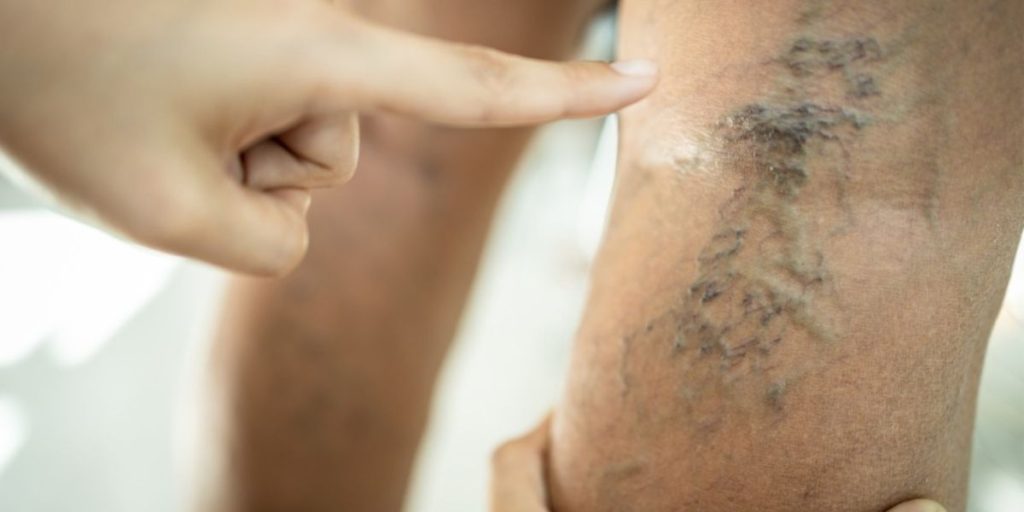
Chronic venous insufficiency is a type of venous disease where the leg veins are blocked or damaged. The damaged veins can not properly carry blood from your legs to your heart. Due to that, the blood will often accumulate in your legs, which causes swelling and pain.
After considering various factors like your age, symptoms, health history, venous insufficiency stage, etc., vein doctors will choose the most proper chronic venous insufficiency treatment. Below are some of the available venous insufficiency treatment options.
Best 4 Treatments For Chronic Venous Insufficiency In 2025
1. Wear Compression Garments
One of the most common chronic venous insufficiency treatment options is compression therapy or wearing compression garments. Compression garments like stockings or bandages minimize discomfort and swelling. They will help the accumulated blood in your legs, feet, or ankles to flow in the proper direction.
Depending on your condition, vein doctors may recommend graduated fabric compression socks or elastic compression stockings. Wearing the compression garments helps in easing your pain and other associated symptoms as well.
2. Medications
The vein doctors also prescribe medications that promote blood flow through the blood vessels, which is another common chronic venous insufficiency treatment. If you have any ulcers or skin infections due to chronic venous insufficiency, the doctor will recommend antibiotics.
In order to avoid blood clots from arising, blood thinners or anticoagulants are usually prescribed. These medications can also treat existing blood clots.
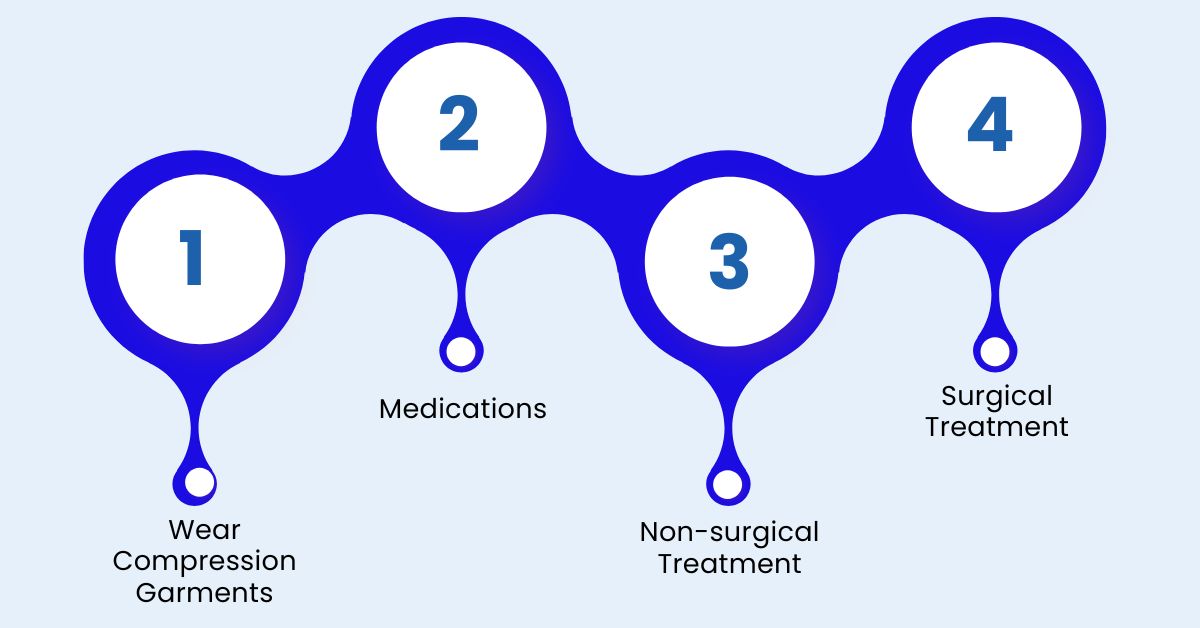
3. Non-Surgical Treatment
If medications or compression garments do not work, vein doctors proceed with non-surgical chronic venous insufficiency treatment. There are various non-surgical venous insufficiency treatment options, such as:
Ablation
Thermal ablation is a non-surgical process where vein doctors add heat to eliminate damaged or weakened veins. Non-thermal ablation procedures use chemicals to destroy and remove the damaged veins.
Sclerotherapy
The vein doctor will inject a liquid, chemical foam solution into damaged veins that scar the veins, making them unable to flow blood. Then, your body will absorb the damaged veins, and the accumulated blood will flow through the healthy veins.
Phlebectomy
Phlebectomy is a non-surgical chronic venous insufficiency treatment where tiny holes are made in the skin to eliminate damaged veins. No stitches are necessary, and it can be done within an hour or 30 minutes.
Lysis Therapy
In order to remove blood clots from your leg veins, lysis therapy is used by vein doctors. The vein specialist will make a small cut in your upper leg and insert a catheter that will reach the clot. Then, the vein doctor will inject medications that will eliminate the blood clot.
4. Surgical Treatment
If your condition is severe and any of the above vein treatments do not work, the vein doctors will perform surgical procedures. If you need surgery for chronic venous insufficiency, it is best to contact a trusted vein care center like Advanced Medical Group to get safe, quick surgical treatment. There are various surgical venous insufficiency treatments, which include:
Ligation And Stripping
Ligation is the surgical procedure of cutting and tying damaged veins to make sure blood is no longer accumulated or flowing in the wrong direction. With minor incisions, the severely damaged veins or valves will be eliminated, which is called stripping.
Vein Bypass or Transplant
A vein bypass procedure involves taking a healthy vein from your body and replacing it with a damaged vein. After that, blood will flow in the proper direction.
Valve Repair
In order to stitch and strengthen the damaged valve, the vein doctor will make a tiny cut in your leg. This is called valve repair and restricts your day-to-day life for about 6 weeks.
Home Remedies For Chronic Venous Insufficiency
Here are some of the best home remedy chronic venous insufficiency treatment options or minor lifestyle changes that will help you prevent chronic venous insufficiency and also give relief from discomfort caused by chronic venous insufficiency.
Keep Your Legs
Elevated. If you sit or stand in the same position without moving for a long time, the blood will accumulate in the veins. When sitting or sleeping, it is best to keep your legs elevated on a small footstool or a pile of pillows to make sure that the blood flows in the right direction.
Healthy Weight
If you are obese, the veins or valves in your legs have a high chance of getting weakened or blocked. Make sure to maintain a healthy body weight. If you are overweight, it is best to lose fat by exercising and eating healthily while getting chronic venous insufficiency treatment.

Boost Activity Levels
If you have a lazy lifestyle without minimal activity, you are at risk of suffering from chronic venous insufficiency. By being active, your muscles will be relaxed and enhance blood circulation. No Tight Clothes If you often wear tight or restrictive lower-body clothes for a long time, it will affect the blood flow and can lead to chronic venous insufficiency.
Treatment Highlights For Chronic Venous Insufficiency
While chronic venous insufficiency isn’t typically life-threatening, it can lead to significant pain and discomfort in the legs. If you’re experiencing any of the symptoms mentioned above, it’s important to consult with the experienced vein specialists at Advanced Medical Group to receive the appropriate treatment and care.