 Patient Login
 (201) 581-6100
Next-Gen Approaches In Peripheral Artery Disease Treatment
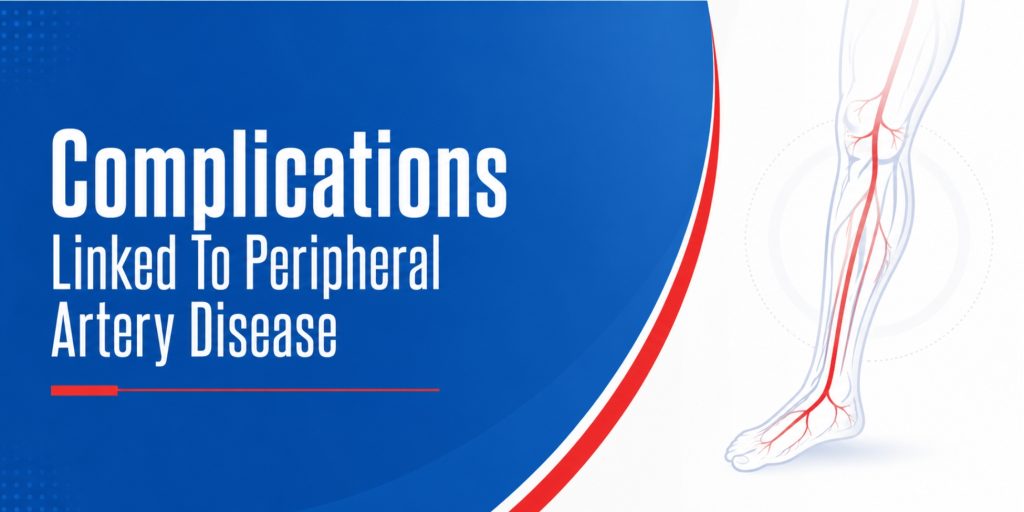
Peripheral artery disease refers to problems in blood vessels outside the heart and brain, most often in the leg area. A narrowing or blockage in the arteries may result in pain, some numbness, and even serious issues that keep wounds from fully healing. Living with PAD can be hard for many people and influence their everyday activities.
Luckily, medical technology is progressing fast, and new methods can help identify and manage PAD symptoms much more easily.
Such new ideas give patients hope by improving results, shortening recovery, and making treatments less intrusive. In this post, we’ll examine the most recent technologies used to treat peripheral artery disease and how they shape the future of vascular care.
Understanding New Technologies Treatment For Peripheral Artery Disease
It is a circulatory disease that gradually affects arteries, which reduces blood flow to the limbs, usually the legs. Common classic symptoms are leg pain on walking (claudication), numbness in the feet, slow-healing sores, and, in severe cases, tissue death or amputation of limbs.
Before, therapies for PAD mainly involved changing habits, taking medicine, and, for severe conditions, performing open surgeries. Yet, these methods were generally not successful for people with complicated health problems or a higher risk.
This PAD treatment costs, with procedures is around $11,300 in the USA. Now that both the aging population and cases of diabetes are increasing, more people are looking for safer, more effective, and less intrusive treatments for PAD.
Recent Advances In Medicine Are Shaping The Way To Treat PAD
Discover the new technologies for peripheral artery treatment, shaping how people with the condition are treated.
1. Drug-eluting Balloons (DEB)
- Unlike standard angioplasty balloons, DEBs include medicine that gets released onto the wall of the artery as the balloon is inflated. This medicine helps stop the narrowing of the arteries, which can sometimes happen after standard procedures.
- It is vital because DEBs for below-the-knee PAD improve outcomes, lower the need for more treatment, and help keep arteries open for longer.
2. Drug-eluting Stents (DES)
- They work by supporting blockages in arteries and, over time, allowing medicine to be released to stop scar tissue from growing.
- DES technology has succeeded in complex PAD treatments because it reduces extra blockages and helps the affected limb recover.
3. Bioresorbable Scaffolds (BRS)
- BRS devices are temporary and stay in the artery until it has healed, and then gradually dissolve after that.
- It matters because restoring the artery’s normal flexibility with this procedure lessens the risk of problems in the future, especially for younger or active people.
4. Advanced Atherectomy Devices
- In atherectomy, medical devices work by physically clearing away plaque on the inside of the arteries using rotation, orbiting movement, or a laser beam.
- These devices help by restoring blood flow and do not require placing a balloon or stent inside, making them suitable for those with tough, solid, or lengthy blockages.
5. Percutaneous Transluminal Angioplasty (PTA) Balloons
- When the narrowed artery is discovered, a balloon is gently threaded in and filled, opening the vessel and restoring blood flow.
- The reason it is important is that modern PTA balloons minimize injury to the blood vessels and cut down on restenosis, helping PAD patients gain better results.
6. Self-Expanding And Balloon-Expanding Stents
- These stents have different ways of working: Self-expanding stents fit the flow of the artery, and balloon-expanding stents ensure more exact placement.
- Why this matters: Stents designed for various arteries help reduce issues and ensure more support for your vessels later on.
7. Cryoplasty
- This treatment applies balloon angioplasty and icy nitrous oxide. This causes the narrowing plaque to freeze and ease inflammation.
- It is believed that cryoplasty can lower the chance of restenosis and aid in healthy arterial healing.
- The cold temperature reduces trauma to the artery walls. The procedure also reduces the rate at which smooth muscle cells grow, which helps prevent re-narrowing. The combination of mechanical dilation with cryotherapy in cryoplasty provides a two-step method to enhance blood flow. The procedure serves as an alternative treatment for patients who do not respond well to standard angioplasty procedures or face increased risks of complications.
8. Using Gene And Stem Cell Therapy
- In gene therapy, doctors try to boost blood vessel growth in the affected limb by altering genes, and in stem cell therapy, the aim is to fix tissue damage and improve blood flow.
- With most new treatment options still in clinical trials, they offer hope to those patients with severe disease who do not qualify for regular treatments.
10. Robotic-Assisted And 3D-Printed Solutions
- They work by allowing robots to improve surgical precision and by producing models of patients’ blood vessels for surgical planning with 3D printing.
- The significance is that these new developments make PAD procedures more secure, allow patients to recover more quickly, and predict what the outcomes will be.
The amount you need to pay for the PAD new treatment strongly depends on the kind of technology, the severity of your condition, and the area where you live. The peripheral angioplasty can be done in the USA at around $2,500 to $3,000, while balloon angioplasty costs $5000.
A New Era For PAD Patients
There are many new developments taking place in peripheral artery disease management. Because of the rise of new technologies and treatments for peripheral artery disease, patients can now get interventions that are more efficient and meet their unique needs.
Thanks to drug-eluting devices, gene therapy, AI diagnostics, and robotic surgery, things are looking positive for PAD patients.
In case you or a family member notice leg pain, numbness, or slow-healing wounds, make an appointment with a vascular specialist or contact Advanced Medical Group for help identifying the problem. The latest developments in PAD treatment are available, making a massive difference in people’s lives.