Poor Circulation

Poor circulation, diagnosed and fixed

Cold feet, numb toes, slow-healing skin — not just “getting older.” Our vascular team finds the cause and restores blood flow, usually in one visit.

Poor Circulation care at Advanced Medical Group
Overview

What “poor circulation” usually means

Poor circulation is a symptom, not a single disease — it can be caused by narrowed arteries (PAD), venous insufficiency, blood-vessel inflammation, or a combination. The first job is to figure out which one is yours, because each requires a different fix.

Most cases respond beautifully to a combination of focused medication, simple lifestyle changes, and (when warranted) a minimally invasive procedure to open a narrowed artery or close a leaking vein. The goal is the same: get warm, oxygen-rich blood reliably reaching your fingertips and toes again.

Book a Consulting →

Minimally invasive, in-office diagnostics and procedures — no hospital stay.

Care led by a board-certified interventional cardiologist, not a generalist.

Endocrinology, vascular and wound care under one roof — one plan, not five referrals.

Same-week new-patient appointments across five Hudson County locations.

Insurance verified before your visit — no billing surprises.

Our Team

Specialists who treat this condition

A small, senior team — board-certified cardiology, vascular, podiatry and endocrinology — sharing one chart and one plan.

Meet all providers →
Why Choose Us

Why patients choose Advanced Medical Group

Coordinated, specialist-led vascular care — in five Hudson County locations, close to home.

Specialist-led care
In-office OBL
Same-week appointments
Coordinated care team
Minimally invasive
Insurance concierge
Know the Signs

Symptoms & risk factors

If two or more of these apply to you, a baseline vascular evaluation is one of the highest-yield prevention steps you can take.

Symptoms to watch for

Listen to your body

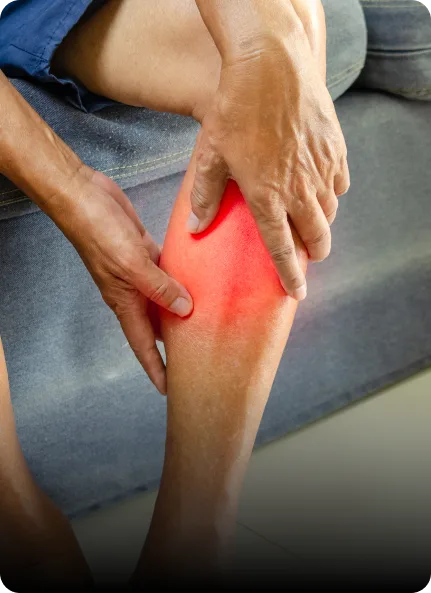
  • Persistently cold hands or feet (often one side worse)
  • Tingling, numbness or “pins and needles”
  • Pale, bluish or mottled skin on extremities
  • Slow-growing nails or hair loss on the legs
  • Swelling in the ankles and lower legs by end of day
  • Slow-healing scrapes, cuts or insect bites
  • Cramping in calves or feet at rest, especially at night
Risk factors

Conditions that raise your odds

  • Diabetes (Type 1 or Type 2)
  • Smoking — current or recent
  • High blood pressure or high cholesterol
  • Obesity and sedentary lifestyle
  • Age 60+
  • History of blood clots or chronic vein disease
  • Connective-tissue or autoimmune conditions
Treatment Process

From first visit to long-term protection

A predictable four-step path — no guesswork, no months of waiting between appointments.

  1. Step 01

    Evaluation & Imaging

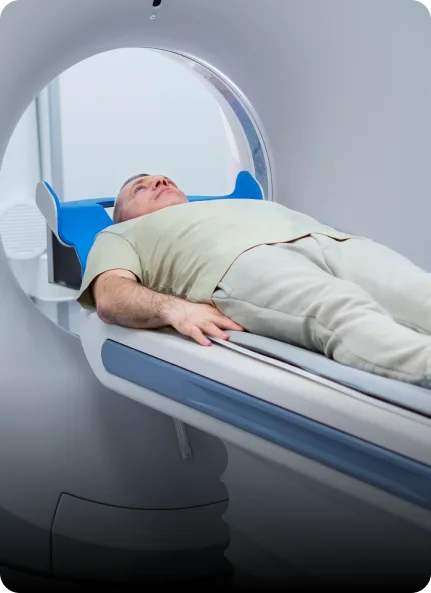
    Vascular exam, ABI and on-site imaging — usually completed in one visit.

  2. Step 02

    Personalized Care Plan

    A coordinated written plan tailored to your anatomy and goals.

  3. Step 03

    In-Office Procedure

    Minimally invasive treatment in our OBL, under local anesthesia.

  4. Step 04

    Follow-Up & Prevention

    Structured follow-ups, surveillance imaging and risk-factor coaching.

FAQ

Common questions

Real, specific answers from our team. If your question is not here, our front desk can usually answer it in a 5-minute phone call.

How do I know if it’s an artery or a vein problem?

Arterial problems usually cause cold, pale skin and pain that gets worse with walking. Venous problems usually cause swelling, heaviness and skin discoloration that gets worse with standing. A 30-minute ultrasound tells us which (or both).

Can poor circulation be reversed?

In most cases, yes. Restoring blood flow with focused treatment plus risk-factor control reverses the visible symptoms — warmer feet, better walking distance, faster wound healing — usually within weeks.

Do I have to take medication forever?

It depends on the cause. Some patients need long-term statins or antiplatelets to keep arteries open. Others only need a one-time procedure plus lifestyle changes.

Is poor circulation a sign of something more serious?

It can be. PAD in the legs predicts heart attack and stroke risk. Catching circulation problems early is genuinely protective for the whole body.

What can I do at home?

Walk daily — even 10–15 minutes helps. Quit smoking. Elevate legs if you have swelling. Keep diabetes and blood pressure controlled. We’ll build a personalized plan with you.

Is this covered by insurance?

Yes — diagnostic ultrasound and ABI are covered by Medicare and virtually all commercial plans when symptoms are documented. We verify before your visit.

Testimonials

Stories from patients we have treated

Names changed where requested. Every quote below comes from a patient seen at one of our Hudson County locations.

★★★★★

“My feet were freezing year-round. After the procedure and the right medication, I sleep without socks for the first time in five years.”

Rosa M. West New York
★★★★★

“They explained the difference between artery and vein in plain English. Once I knew what was wrong, fixing it felt simple.”

Anthony D. Jersey City
★★★★★

“The whole evaluation took less than an hour. I left with a clear plan and the swelling was gone within two weeks.”

Yvonne P. North Bergen
Get Started

Bring warmth and feeling back

A non-invasive vascular check tells you exactly what’s slowing your circulation. Most plans are corrected in a single in-office visit.

Same-week appointments · Five Hudson County locations · Medicare & most commercial plans accepted

Advanced Medical Group
Privacy Overview

This website uses cookies so that we can provide you with the best user experience possible. Cookie information is stored in your browser and performs functions such as recognising you when you return to our website and helping our team to understand which sections of the website you find most interesting and useful.