 Patient Login
 (201) 581-6100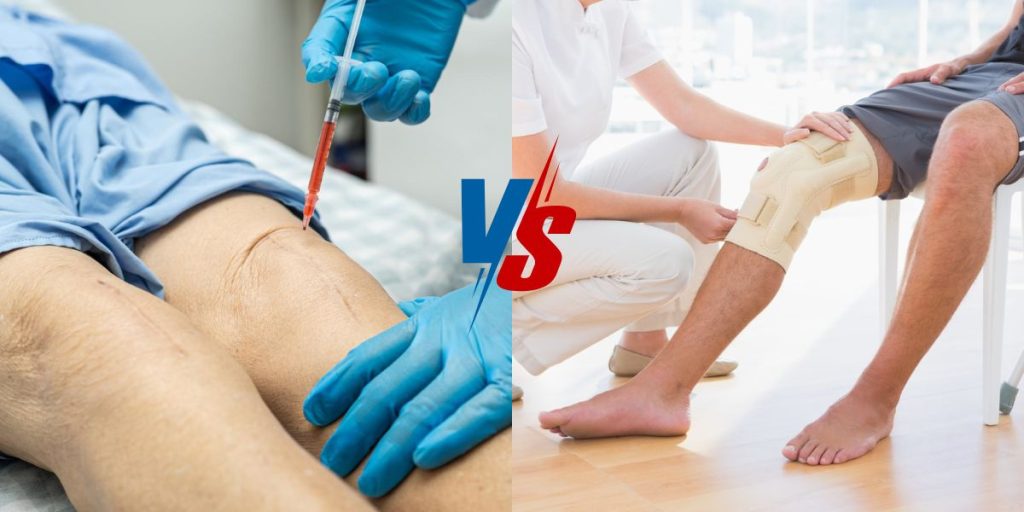
Difference Between GAE And Knee Replacement For Better Knee Pain Relief
For people with osteoarthritis, knee pain might make daily activities challenging. Two very different methods, GAE vs knee replacement, provide treatment choices. Knowing the difference between GAE and knee replacement will guide your decision on the most suitable choice for your condition, lifestyle, and long-term objectives. This manual covers GAE treatment, pain management treatment, and GAE knee treatment.
GAE Knee Treatment
For those with osteoarthritis, genicular artery embolization (GAE) is a cutting-edge, minimally invasive therapy used to relieve ongoing knee pain. A pain management specialist injects little particles into the genicular arteries to halt erratic blood flow, therefore reducing inflammation. GAE is appropriate for those not qualified for knee replacement or seeking to avoid major surgery because it provides rapid recovery, minimum downtime, and long-lasting pain alleviation. It is considered an effective pain management treatment for knee osteoarthritis.
Knee Replacement Surgery
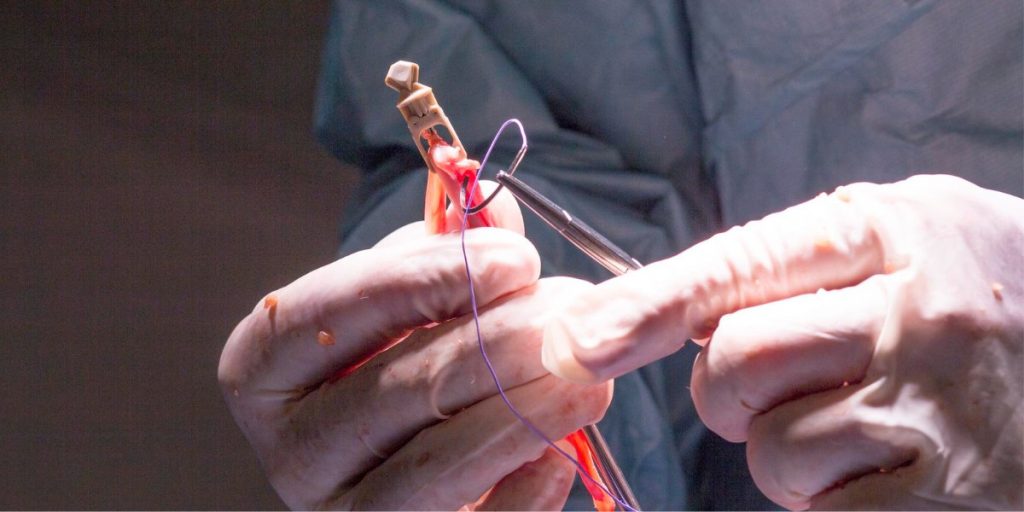
One important surgical choice for several knee osteoarthritis is knee replacement, also known as total knee arthroplasty, is with metal and plastic implants; it replaces torn cartilage and shattered bone. Although it has greater dangers, including infection, blood clots, rigidity, and implant difficulties, it offers long-term pain relief and better mobility with a hospital stay, general anesthesia, physiotherapy, and several months of recovery.
GAE vs Knee Replacement: Key Differences
Understanding the GAE vs knee replacement surgery comparison helps you see which treatment might be right for you. Below are the major differences explained in simple terms:
1. Invasiveness
GAE
- Minimally invasive procedure
- No large incisions
- Performed with a small catheter through a tiny puncture
- No stitches, no implants
- Ideal for people who want to avoid surgery
Knee Replacement
- Major surgical procedure
- Requires a large incision
- Artificial joint implants are placed
- Involves cutting bone and tissue
- Requires hospitalization
This is one of the biggest differences between GAE and knee replacement; here, one is non-surgical, the other is a major surgical operation.
2. Recovery Time
GAE
- Quick recovery (1–3 days)
- Many patients return to normal activities within a week
- No physical therapy required
- Minimal discomfort after the procedure
Knee Replacement
- Recovery takes months
- Physical therapy is necessary
- Some people experience stiffness for several months
- Time off from work or strenuous activity is required
For patients wanting a fast, low-stress recovery, GAE treatment for knees is an excellent alternative.
3. Pain Relief And Effectiveness
GAE
- Targets inflammation-causing knee pain
- Reduces swelling by blocking abnormal blood flow
- Provides pain relief for mild to moderate arthritis
- Works well for patients who still have some cartilage left
Knee Replacement
- Designed for severe or end-stage osteoarthritis
- Replaces the entire joint
- Provides long-term or permanent pain relief
- Effective when the cartilage is completely worn out
In summary, GAE works best for earlier to moderate stages, while knee replacement is ideal for advanced cases.
4. Risks and Complications
GAE
- Low risk of complications
- No general anaesthesia
- Minimal bleeding or infection risk
- Safe for patients who cannot undergo major surgery
Knee Replacement
- Higher risk due to the surgical nature
- Possible complications: infection, clotting, implant failure
- Requires long-term follow-up
- Risks increase for older adults or those with medical conditions
A pain management doctor may recommend GAE if you are not a good candidate for surgical procedures.
5. Suitability
GAE is ideal for patients who:
- Have mild to moderate osteoarthritis
- Want to avoid surgery
- Want faster recovery
- Have health issues preventing major surgery
- Want to delay knee replacement
Knee replacement is ideal for patients who:
- Have severe or end-stage arthritis
- Experience constant, debilitating pain
- Have major cartilage loss
- Have tried all conservative treatments
Benefits Of GAE And Knee Replacement Treatments
| Feature | GAE Knee Treatment | Knee Replacement Surgery |
|---|---|---|
| Procedure Type | Non-surgical outpatient treatment | Surgical implant procedure |
| Hospital Stay | Usually, an outpatient procedure | Requires hospitalisation |
| Anesthesia | Local anaesthesia or mild sedation | General or spinal anaesthesia is required |
| Activity Resumption | Patients can resume normal activities quickly | High-impact activities may be limited after surgery |
| Long-Term Effect | Provides pain relief that may last for years, but may need a repeat procedure | Offers permanent pain relief with joint replacement |
| Scarring | No visible scars | Large surgical scar on the knee |
| Procedure Duration | Usually 60 to 90 minutes | 1 to 3 hours, depending on complexity |
| Reversibility | Minimally reversible if needed | Permanent surgical change cannot be reversed |
| Cost | Generally lower cost | Higher cost due to surgery, hospital stay, and implants |
| Downtime | Minimal downtime | Significant downtime with activity restrictions |
What Results When You Decide On GAE Treatment
Should you choose to have Genicular Artery Embolisation (GAE), here is what you can anticipate from the procedure:
Before The Procedure
- Your symptoms, medical history, and imaging are reviewed by your pain management doctor.
- Simple directions you get include eating not for a few hours.
- No significant planning or general anaesthetic is needed.
- The GAE treatment is performed on an outpatient basis.
During The Procedure
- You are lightly sedated to make you feel at ease and calm.
- Through a little skin puncture close to the wrist or groin, a little catheter is placed.
- The doctor steers the catheter toward the genicular arteries using imaging.
- Small particles are introduced to stop aberrant blood flow and hence lessen the inflammatory response.
- Normally, the process takes 60 to 90 minutes.
After The Procedure
- You spend a little time in the recovery room before leaving the same day.
- Within 1 to 3 days, most patients go back to their regular activities.
- Though it fades rapidly, mild discomfort at the insertion location may arise.
- Over the following few weeks, as inflammation subsides, pain relief improves. GAE treatment offers long-lasting comfort without major surgery.
Making The Right Choice For Your Knee Health
Understanding the difference between GAE and knee replacement helps you choose the best path for your knee health. GAE vs knee replacement is really a comparison between a minimally invasive, quick-recovery treatment and a major surgical procedure designed for severe arthritis.
If you are searching for a solution that avoids surgery, offers fast recovery, and provides real relief, GAE treatment for knees is becoming one of the most effective options available today. A qualified pain management doctor or specialist at clinics like Advanced Medical Group can help determine the right treatment based on your condition.