 Patient Login
 (201) 581-6100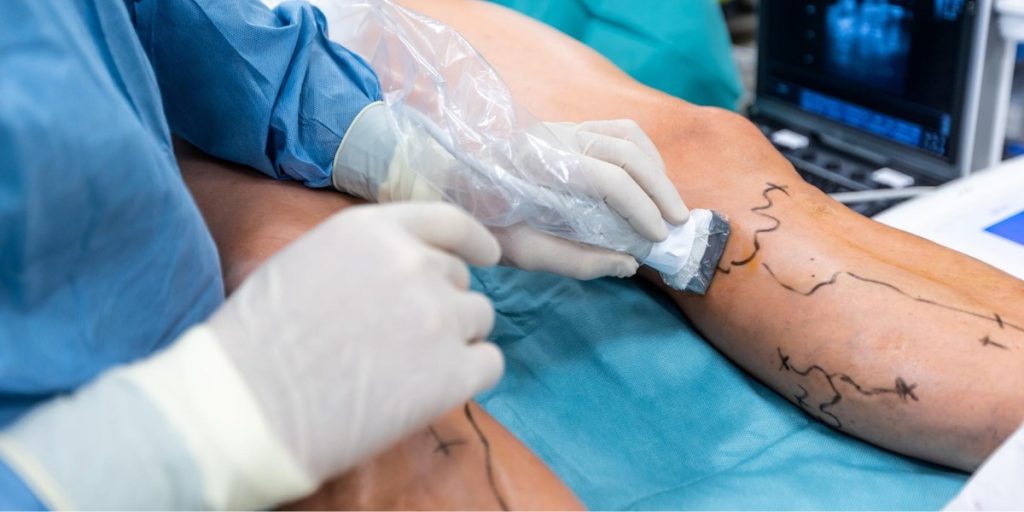
Get Ready For Your First Visit And Know Things To Ask Your Vein Doctor
Is there something wrong with your veins? Consult an experienced vein doctor before it gets too late to take full control of your health. It is normal to feel a little hesitant before your first visit. But remember, the more you ask questions regarding your problems, the closer you will get to the right treatment options.
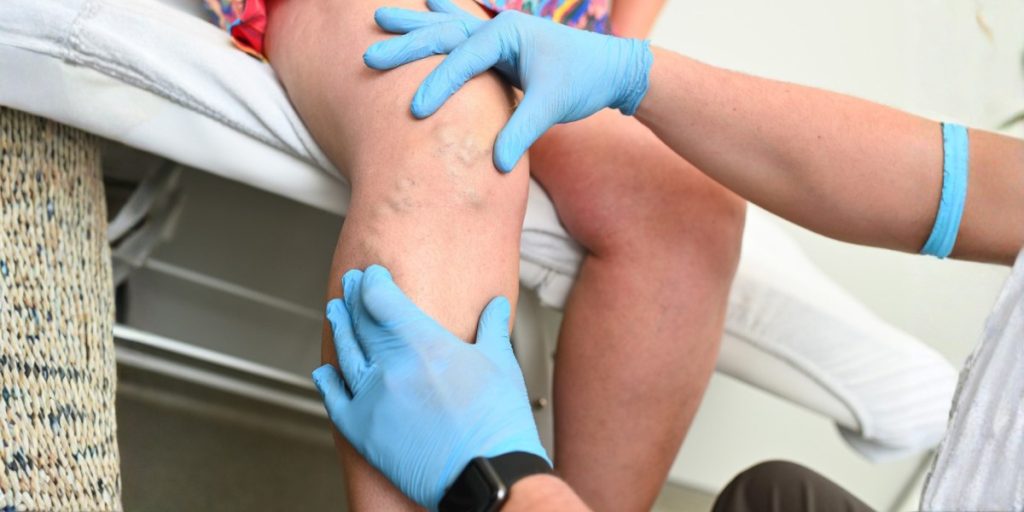
Whether you have more visible veins like spider web or are feeling discomfort, you can walk into the clinic of the vein doctor for consultation. With little preparation, you can confidently ask any queries to proceed further without any doubts.
This guide helps you know the things you should ask a vein doctor before your first visit. Be prepared with the questions in your head and get ready to explain your symptoms clearly. Get the most out of your first consultation by preparing yourself completely.
First-Visit Things To Ask A Vein Doctor
Here are the things that you must ask if you are visiting the vein doctor for the first time.
1. Doctor Expertise For Treating Several Vein Conditions
To know if you have visited the right doctor, this is the first question that must strike in your mind to ask. It is okay to ask such a question, as the right doctor will not mind answering it. Begin with knowing the years of experience the doctor holds and how long he has been treating several vein conditions.
Talk further by asking about the certifications and training in this field. A specialist with enough experience will speak confidently and address all your queries generously. He can also recommend the advanced treatment options for different vein issues.
2. Understand Methods For Diagnosis
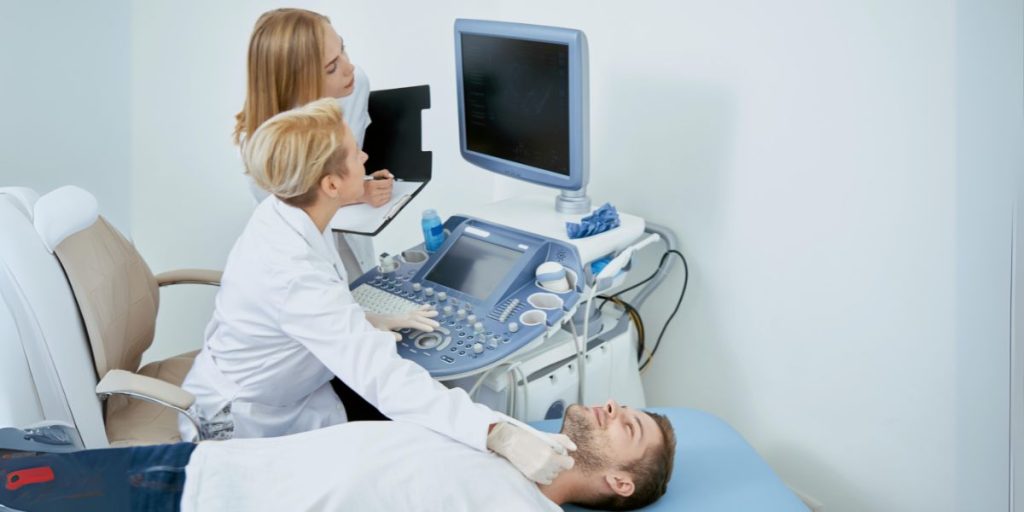
In many vein problems, it is hard to find the cause and hence, proper diagnosis is mandatory. To understand your health better, your doctor may suggest some tests. It can be either an ultrasound or blood tests. Sometimes, there can be a big list of tests to detect specific vein problems.
Before beginning any treatment, it is essential to know the functioning of veins, the circulation of blood, and the exact disease. During your first visit with the vein doctor, you will be advised of a diagnosis through several tests. So, be prepared for it. The quicker you get the test results, the sooner your treatment will start, and you will get relief from your problems.
3. Know the Available Treatment Options
Every patient’s vein disease may vary, and so may their treatment. You can ask the doctor about the available treatment options depending on your condition. The doctor can often confirm your health problem before the diagnosis and discuss the treatment. But sometimes, a proper diagnosis is essential to detect the cause of the vein problem. After that, the expert can suggest the right treatment.
Talking about the treatment options, it can be sclerotherapy for varicose vein treatment, Phlebectomy for large vein removal, laser ablation treatment, RFA, etc. You can also ask about any specific treatment that works best, along with the number of sessions and recovery time.

4. Ask About Risks Or Side Effects
Generally, most of the vein treatments are minimally invasive, but there is a possibility of side effects or potential risks. If you have already diagnosed your condition and are asking about the treatment, do not forget to ask about the side effects after the treatment. Patients must expect swelling, bruises, or skin discoloration after the therapy.
Along with risks, also ask how long the recovery period will be. You should also know if you must wear compression garments to deal with side effects. Before choosing any treatment, you must know everything about the therapy, including the risks and potential side effects.
5. Get Details Regarding Medical Finances
There is nothing to be surprised by when it comes to medical expenses for treating any health problem. Some vein conditions are necessary to treat, but some treatments are entirely cosmetic. Your doctor can clear this confusion during your first visit. It is essential to plan your medical finances, as some treatments are expensive, and one must be ready to spend that money.
It is better to discuss the estimate you will have to spend on your vein problem. The doctor may ask if you have any insurance coverage. You need to check if the treatment cost is covered in your insurance policy. Have such a conversation in the doctor’s cabin to avoid confusion about the budget during the treatment.
6. Know About Prevention
Prevention is always better for long-term care of varicose veins than one-step treatment. Once your doctor detects your condition, you can ask if your condition is preventable or manageable in the long term. By modifying your lifestyle and doing exercises, you can even make your veins healthy. In some cases, you may not need further treatment.
Your doctor may suggest that you avoid prolonged standing or sitting to improve blood circulation. For better support, you may need to wear compression garments. It is also essential to maintain a healthy weight with a good diet and exercise. Prevention steps may seem small, but they are pretty powerful for your vein health.

Ask Your Vein Doctor With Confidence
If you have already taken the appointment with your vein doctor, do not feel overwhelmed. Instead, prepare yourself with the things to ask a vein doctor before your first visit. Consider the right questions that must cover the doctor’s experience, diagnosis, treatment options and costs, prevention tips, and all the necessary things.
When the patient is informed about their health, they get proper treatment from an expert doctor. Whatever you ask, you will get answers only when you visit the right doctor. Just ask confidently and see what response you get from the medical expert.
If you feel satisfied with consulting that doctor, you can continue your treatment there. So, remember all the first visit things to ask a vein doctor at Advanced Medical Group. Ask all the necessary questions regarding your vein health to know the available treatment options.