 Patient Login
 (201) 581-6100
Massage Therapy For PAD A Path To Improved Circulation And Pain Relief
Peripheral Artery Disease (PAD) affects millions of people around the world, bringing with it painful frustration and discomfort. In 2019, the number of people living with PAD increased substantially to around 113 million people aged over 40 years.
PAD is a circulatory condition in which the arteries become narrowed — typically in the legs. This happens a lot of the time when fatty deposits called plaque build up in our arteries. If you have one of these conditions, the blockages associated with them also stop flow from reaching your arms or legs; however, PAD more typically affects vascular health in people’s limbs. When the arteries narrow, it makes it difficult for muscles to get oxygen-rich blood, which can lead to various symptoms that cause it to be more difficult for you to do normal daily activities; even walking, standing, or sitting down could become painful. Of course, there are many medical treatment procedures, but have you once thought about massage therapy?
In the following blog, we will explain the benefits of massage therapy for PAD patients and how it can improve overall health.
Role Of Massage Therapy For PAD Patients
PAD treatments typically involve medications to help control symptoms, lifestyle changes that may include quitting smoking or eating better, and participating in exercise for peripheral artery disease (especially supervised walking) to aid circulation. In worse cases, surgery may be necessary.
While these treatments aid in controlling PAD, they are not always sufficient for complete relief. This is where considering massage therapy to act as supportive care can help address overall health and feelings associated with stress.
Massage therapy is an alternative form of medicine where soft tissues and muscles within the body are rubbed to help relieve pain, discomfort, or overall stress. Therefore, let us move forward to find the handful of advantages massage therapy has for PAD patients
1. Better Blood Circulation
Massage therapy intends to increase blood flow throughout the body. This is especially beneficial for those with PAD. PAD reduces blood flow to the lower legs, causing discomfort and other symptoms. Massage can improve circulation to ensure that essential oxygen and nutrients are delivered to tissues that require it. This results in a reduction in symptoms of cramping and difficulty in morning functioning, such as walking or climbing several flights of stairs.
An Individual with PAD often experiences leg cramps after walking short distances. However, with regular massage therapy sessions that focus on enhancing circulation, he/she might find walking longer distances less painful or uncomfortable.
2. Promotes Healing Of Tissues
Poor circulation is why, in many cases, sores on the legs or feet take forever to heal for patients with PAD. To be clear, the massage does not heal those injuries, but it increases blood flow and tissue health, assisting the body in returning to normal. This can help stimulate blood flow to the affected area, which in turn encourages healing processes and minimizes any complications that could lead to infections.
Think of a PAD patient with an ulcerated foot that healed very slowly. Massaging the wound can improve blood flow (circulation), aid in cellular nutrition and oxygenation, and promote enzyme complex movement through tissues where it is necessary for healing to occur.
3. Reduces Muscle Pain And Tension
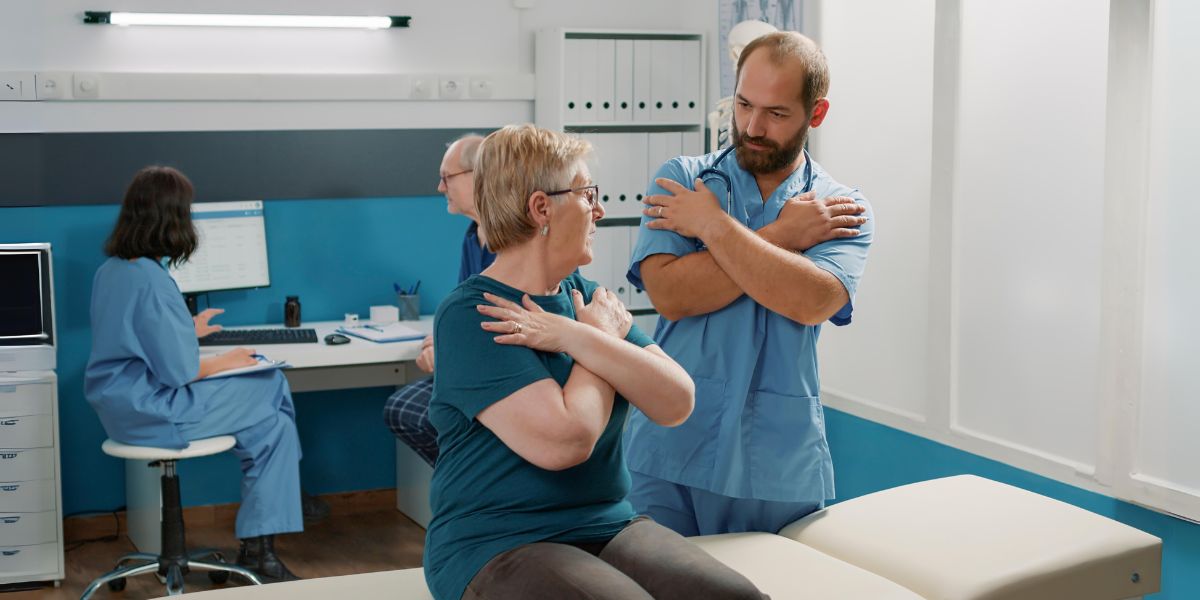
PAD can lead to symptoms such as muscle pain, stiffness, and cramping in the legs because the blood supply is narrowed. Massage therapy can help solve this by working into those muscles to get them out of their tight and sore state so they release. This provides relaxation that can reduce muscle tightness and pain, thereby leading to a reduction in painful movement.
A person living with PAD and suffering from painful calf cramps may learn that deep tissue massage gives them more flexibility in their muscles, prompting an activity boost (while alleviating pain).
4. Helps with Stress And Anxiety
If you are living with a chronic condition like PAD, it can be stressful. Besides, patients often worry that they are no longer able to stay active, and their symptoms can be taken as an early sign of health decline. Massage therapy has been shown to help reduce stress and anxiety, as well as be restful for the recipient. Stress can be particularly bad for the cardiovascular system in people with PAD, and stress relief is important to general health.
A person who is obsessing over their PAD symptoms may find it difficult to calm down, which can exacerbate the way they are feeling. But, once they start having massage therapy as a part of their routine, they see that their stress disorders diminish, which helps them to manage their overall health.
A few guidelines must be maintained by everyone who is going to initiate massage therapy for their PAD treatment. Though massage sounds like a good idea, it is important that all PAD patients speak with their PAD specialist first. Sometimes, more aggressive treatments may be necessary, particularly in the later stages of PAD, and massage on its own is not enough to control it.
You should also look for a licensed massage therapist who has experience helping individuals with PAD or other kinds of vascular diseases. Furthermore, a PAD therapist will know which techniques are safe and effective. This is a critical factor because the wrong level of pressure or massage technique could exacerbate symptoms.
Using Massage Therapy To Relieve PAD Symptoms
Keep in mind that PAD as a condition will need almost a full-treatment model to improve, and adding massage therapy could be an excellent contributor. When combined with other remedies like medications and exercise, a massage can contribute to improving your overall health.
If you are concerned about PAD treatment costs, then it is a good idea to consult professionals who can walk you through your options. The Advanced Medical Group will help you understand which treatment is right for you and will work with your budget. Reach out now to learn how you can get control of your PAD management – and overcome the challenges in your life today.