 Patient Login
 (201) 581-6100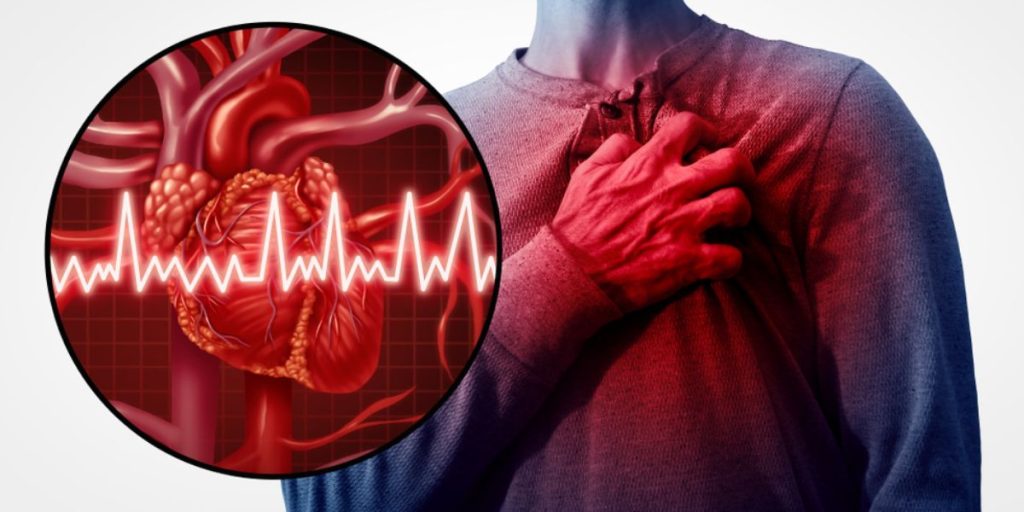
Indications That It’s Time To Consult A Cardiologist
When you fall ill, the first step is to visit a general physician and get a quick treatment regime (medication, food supplements, etc) to get back in good shape. However, certain health conditions like those that may indicate a serious disorder of vital organs like the heart need the attention of a specialist. Most people tend to ignore simple signs like chest pain and end up delaying a visit to a heart specialist. So it is essential to know some common signs you need to see a cardiologist.
But whenever you visit a heart specialist the doctor must be experienced and the Advanced Medical Group promises that the most reputable and experienced heart specialists are on board.
10 Signs It’s Time To See A Cardiologist
Chest Pain
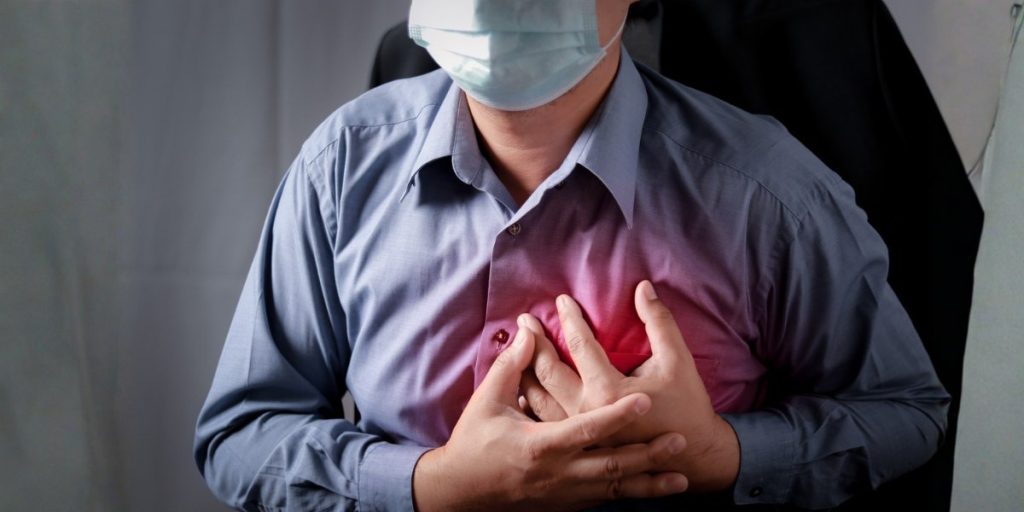
Sudden chest pain which some people may experience as acute pressure in the chest area is a cause of concern and one of the signs to see a cardiologist. Chest pain implies heart problems but in rare cases, gastric problems may also cause pain or a feeling of pressure in the chest.
Also, if the pain increases when one performs any activity it is bad and implies that one might have to make an urgent visit to the hospital. In other words, chest pain shows that the heart has to work way too hard to perform its regular function (pumping oxygenated blood).
Consistent High Blood Pressure
When a person measures your blood pressure he gives two values for the systolic and diastolic pressure. For a healthy middle-aged individual, the normal value for blood pressure is 120/80. With age both the systolic and diastolic pressure increases but if things go out of hand then these are signs to see a cardiologist.
High blood pressure means that the heart has to work very hard to perform its regular function (pumping blood) so this extra pressure on a vital organ is a cause of concern.
Shortness Of Breath or Thumping In The Chest
Shortness of breath or sudden chest thumping could indicate an irregular heartbeat or arterial disease. In some cases, these symptoms might stem from normal age-related changes, such as decreased estrogen levels in women over 40 or 45. However, it’s crucial to consult a cardiologist for a thorough evaluation to determine whether these signs are linked to a heart condition or another health issue.
Suffering From Comorbid Conditions
If the glucose concentration is high in the blood it means that the blood-pumping organ of one’s body has to work quite hard to perform its task. So, if you are suffering from chronic diseases that put pressure on the blood-pumping organ of your body, you may need heart treatment.
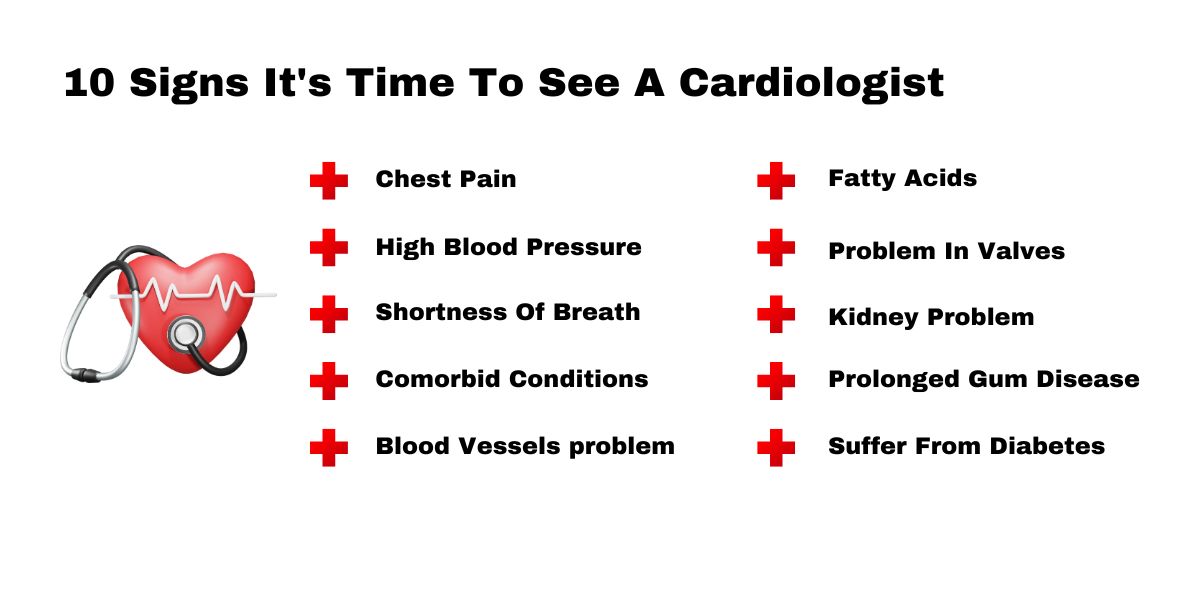
Suffering From Some Problem With The Blood Vessels
If you are suffering from any condition of the blood vessels be it of the one that carries blood all the way up to the brain or of some blood vessel that carries blood to the limbs it is likely that you may have some problem with the heart. So, having some problem with any major blood vessel in the body these are signs you need to see a cardiologist.
Suffering From Accumulation Of Fatty Acids
If the bloodwork shows that the fatty acids in the blood are high it may be a sign to get yourself checked by a specialist doctor. Fat droplets that get accumulate on the walls of the blood vessels.
Accumulation of fatty droplets causes the space in the blood vessels to be thinner than what it should be normally. This makes the pumping organ of the body work harder to pump blood to different parts of the body. A specialist doctor may suggest changes in diet plans or may even prescribe some pills to keep the fat levels under control.
Problem In Valves
The blood-pumping organ of the body has stopcocks that regulate the flow of blood. If there are problems with these stopcocks then people might see signs like swelling in the extremities and difficulty while exercising.
When You Suffer From A Kidney Problem
Having a kidney that does not work optimally makes life tough. People who suffer from such conditions are often put on a restricted diet (low protein diet), and at times they may have to undergo surgeries. However, having a problem with the kidneys also puts pressure on other vital organs of the body, especially the ones that pump blood.
Prolonged Gum Disease
Studies suggest long-term gum disease may cause germs to travel all the way to the blood-pumping organ of the body and cause trouble.
Suffer From Diabetes
Living with diabetes involves managing blood sugar levels through diet, exercise, and medication. It requires regular monitoring to prevent complications like heart disease.
A Simple Talk Can Save Your Heart
All body organs work in harmony, making it crucial to address symptoms like sudden chest pain or shortness of breath promptly. Seeking a skilled cardiology doctor with a proven track record ensures accurate diagnosis and effective treatment. Choose specialists renowned for their expertise in managing heart conditions and reducing recovery times after surgery. Trust your heart health to the dedicated team at Advanced Medical Group, where exceptional care meets expertise.