Peripheral Artery Disease Treatment In New Jersey
All About Peripheral Artery Disease Treatments
The treatment for PAD by our doctors focuses on relieving symptoms, slowing down the disease’s progression, and reducing the risk of serious complications like limb amputation or heart-related issues. Our approach at Advanced Medical Group to treating PAD involves a variety of tailored strategies formulated to suit each patient’s individual needs and circumstances.
Lifestyle modifications, including smoking cessation, diabetes management, adherence to a low-saturated-fat diet, and regular exercise, are fundamental in PAD management. These interventions are vital as they address risk factors and promote overall cardiovascular health, directly impacting the course of the disease.
Medications such as antiplatelet agents (e.g., aspirin or clopidogrel ) reduce the risk of blood clot formation, while statins primarily manage cholesterol levels. All these drugs aim to lower the cardiovascular risks associated with PAD, a condition marked by compromised blood flow in the peripheral arteries.
Minimally invasive procedures, such as angioplasty and stenting, become options when PAD severity demands intervention. They are employed to restore blood flow in affected arteries, alleviate symptoms, and minimize the risk of complications. Our medical team evaluates each case to determine the appropriate course of action.
The selection of PAD treatment is a highly individualized process. It hinges on the specific patient’s condition, including the severity of PAD and overall health. Collaboration with a healthcare provider is essential to tailor the treatment approach, ensuring it aligns with the patient’s unique needs and circumstances.
Peripheral Artery Disease Treatments In New Jersey
Angioplasty and Stenting
Picture this as a gentle, less invasive procedure. We guide a catheter with a deflated balloon into the narrowed artery. Once in place, we inflate the balloon to widen the artery, often placing a stent to keep it open. This helps restore blood flow and ease your symptoms.
Atherectomy
Think of atherectomy as a specialized clean-up crew. We use special catheters with cutting devices or lasers to remove plaque from your artery walls. Its goal is to relieve your symptoms, improve blood flow, and lower the risk of complications tied to PAD.
Surgical Bypass
When PAD gets severe, surgery may be the best path. During this procedure, a skilled surgeon creates a detour around the blocked artery using a graft. Our medical team at Advanced Medical Group will provide tailored guidance to meet your specific needs.
Lifestyle Adjustments
It's time to embrace a healthier routine. Regular exercise, like supervised walking programs, gets your blood flowing and encourages collateral vessel growth. Plus, saying goodbye to smoking and adopting a heart-healthy diet low in saturated fats can help prevent plaque buildup.
Medications
Our experienced vein doctors might prescribe medications to target PAD. These could include antiplatelet drugs like aspirin or clopidogrel, which keep blood clots at bay. Vasodilators like cilostazol might also be on the list to ease claudication symptoms by widening blood vessels.
Compression Therapy
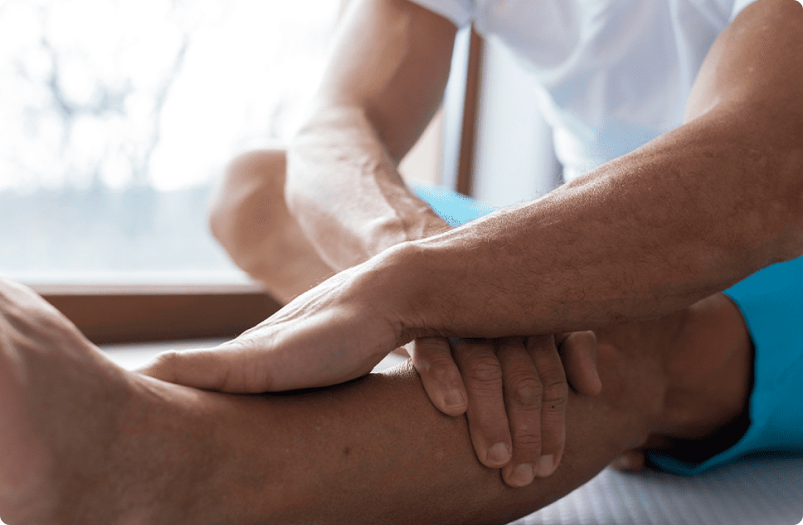
Compression therapy involves wearing special stockings or wraps that apply pressure to your legs. This helps improve blood circulation and reduce swelling in the affected limbs. Your healthcare team will recommend the appropriate compression therapy based on your specific condition.
Peripheral Artery Disease Treatment FAQs
Advanced Medical Group provides a variety of treatments for PAD, ranging from lifestyle adjustments to medication therapy, minimally invasive procedures like angioplasty and stenting, atherectomy, and, in severe cases, surgical bypass. The choice of treatment depends on your specific condition and overall health.
Lifestyle tweaks are a cornerstone of PAD management. These include supervised walking programs, adopting a heart-healthy diet that’s low in saturated fats, and breaking the smoking habit. These changes are vital because they tackle risk factors and boost your overall heart health, which is key to successful PAD treatment.
Our vein specialists may recommend medications like aspirin or clopidogrel to prevent blood clots and statins to manage cholesterol levels. We might also suggest vasodilators like cilostazol to widen blood vessels and relieve claudication symptoms.
Angioplasty and stenting come into play when PAD is more severe. During these procedures, we use a catheter with a balloon to gently widen narrowed arteries, often followed by placing a stent to keep the artery open. These treatments aim to restore blood flow, alleviate symptoms, and reduce the risk of complications. Your specific treatment plan will be discussed during your evaluation.
Surgical bypass becomes an option for patients with severe PAD. In this procedure, a skilled surgeon creates a detour for blood flow using a graft to bypass the blocked artery. This surgical intervention effectively brings circulation back to the affected limb. The decision to proceed with surgical bypass depends on the severity of your condition and your overall health. Our medical team will provide personalized guidance based on your unique needs.
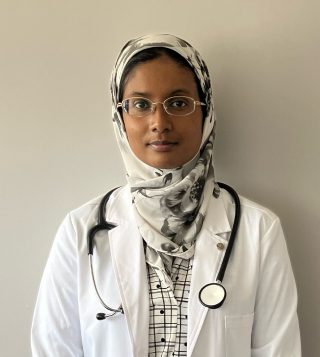
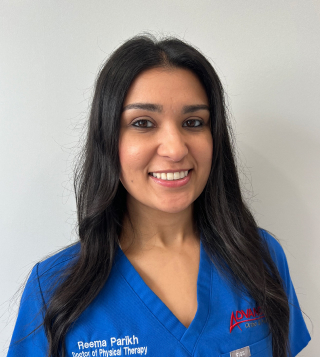
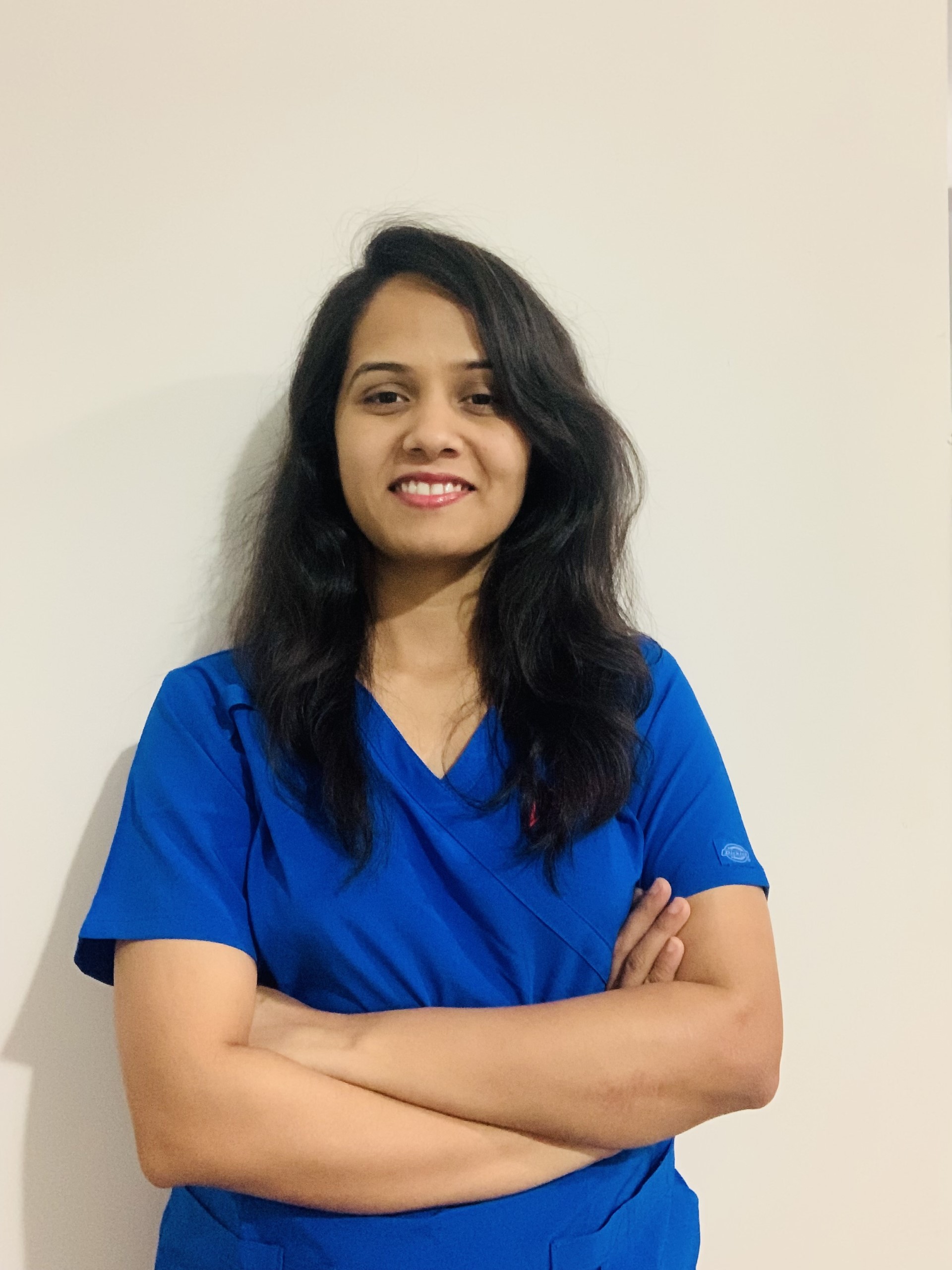
Peripheral Artery Disease Doctors 
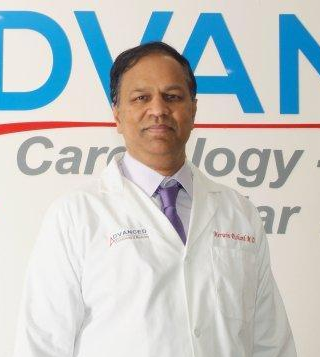
Top Specialist of Advanced Medical Group
Here Are A Few Patient Testimonials You Should Read!
At the heart of our approach is you, the patient. Our specialists are always striving to provide the best care possible, utilizing the latest advancements in vascular medicine. We opt for minimally invasive procedures and the latest technology to ensure that you receive the best outcomes for peripheral artery disease.
Advanced Peripheral Artery Disease Specialist In New Jersey
We have a whole team of skilled diagnosticians and healthcare experts who are all here to make your treatment journey as comfortable as possible. If you have any other questions on the treatment, get in touch with us!