Peripheral Artery Disease Symptoms
Everything About PAD Symptoms
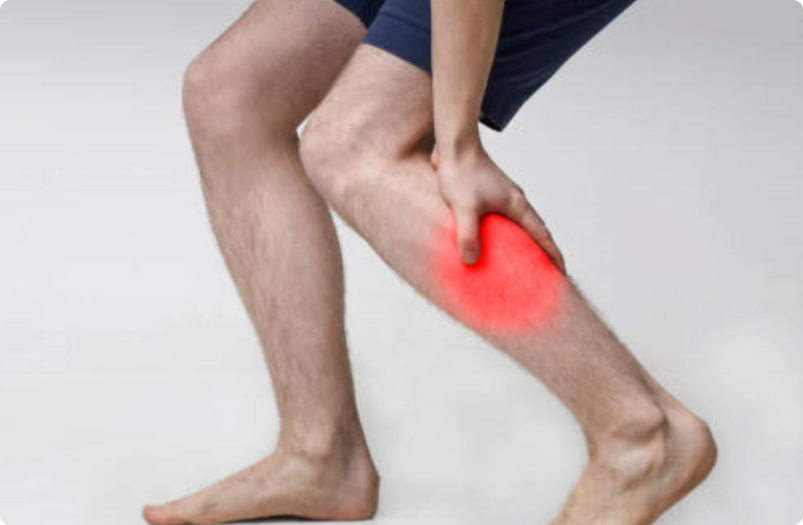
PAD commonly presents with symptoms such as leg pain or cramping during physical activity (claudication), numbness or weakness in the legs, coldness or discoloration of the feet or legs, and visible wounds along the feet or legs.
Yes, PAD primarily affects the arteries in the legs, but it can also affect arteries in other parts of the body, including the arms, neck, and even the kidneys. The symptoms of these areas may include arm pain, neck pain, or high blood pressure.
PAD-related leg pain typically occurs during physical activity and is often described as a cramping or aching sensation. It tends to improve with rest. In contrast, muscle pain or joint pain may occur at rest or with specific movements and is not usually triggered by walking or exercise.
Yes, advanced PAD may lead to more severe symptoms, such as constant pain or numbness in the legs and feet, a noticeable decrease in leg temperature, and the development of non-healing sores or ulcers. These signs should be taken seriously and require immediate medical attention.
If you suspect you have PAD symptoms, it’s important to consult a healthcare professional, typically a vascular specialist or cardiologist. They can perform diagnostic tests such as ankle-brachial index (ABI) measurement, Doppler ultrasound, or angiography to confirm the diagnosis.
Treatments For Peripheral Artery Disease Symptoms
Lifestyle Modifications
Engage in regular exercise, like supervised walking programs, to stimulate blood flow and promote the development of collateral vessels. Adopt a heart-healthy diet low in saturated fats and quit smoking to reduce plaque buildup and improve overall cardiovascular health.
Medication Therapy
Prescribed medications, such as antiplatelet agents (aspirin or clopidogrel) and statins, help lower cholesterol levels and prevent blood clots. Vasodilators like cilostazol can alleviate claudication symptoms by widening blood vessels. At Advanced Medical Group, we will assess your specific condition and suggest the best course of action.
Angioplasty and Stenting
In this minimally invasive procedure, a catheter with a deflated balloon is inserted into the narrowed artery. Once positioned, the balloon is inflated to widen the artery, and a stent is often placed to keep it open. This restores blood flow and relieves symptoms. Our experts at Advanced Medical Group will assist you on the complete road to recovery.
Atherectomy
Atherectomy involves the use of specialized catheters equipped with cutting devices or lasers to remove plaque from the artery walls. This procedure can be particularly effective in cases of heavily calcified or complex blockages. These treatments aim to alleviate symptoms, improve blood flow, and reduce the risk of complications associated with PAD.
Surgical Bypass
For severe cases of PAD, bypass surgery may be necessary. A surgeon creates a detour around the blocked artery by using a graft to redirect blood flow. This procedure can effectively restore blood circulation to the affected limb.
Patient Education and Support
At Advanced Medical Group, we believe in empowering our patients with knowledge and providing a supportive environment throughout their PAD treatment journey. We understand that living with PAD can be challenging, and we're here to answer your questions, address concerns, and guide you every step of the way.
Preventing PAD symptoms FAQs
Preventing PAD involves adopting a healthy lifestyle: quitting smoking, maintaining a balanced diet low in saturated fats, exercising regularly, and managing conditions like diabetes and high blood pressure. Regular check-ups with your doctor are essential for early detection and management.
There is a genetic component to PAD, meaning if you have a family history of the condition, you may be at a higher risk. However, lifestyle factors also play a significant role, so adopting a healthy lifestyle can mitigate genetic risk factors.
Yes, PAD can be asymptomatic in its early stages. Some individuals may not experience noticeable symptoms until the disease has advanced. Regular check-ups and risk factor assessments are crucial for early detection.
Medications like antiplatelet drugs (e.g., aspirin) and statins are often prescribed to manage risk factors like blood clots and high cholesterol, which can contribute to PAD. These medications can help prevent progression and complications.
PAD is a chronic condition, but it can be effectively managed. With appropriate lifestyle changes, medication, and sometimes medical procedures, many individuals can significantly reduce symptoms and improve their quality of life.
Experiencing Peripheral Artery Disease Symptoms? 
Top Specialist of Advanced Medical Group
Here are a Few Patient Testimonials You Should Read!
With a strong focus on patient-centered care, our experts utilize the latest advancements in vascular medicine, including minimally invasive procedures and state-of-the-art technology, to deliver the best outcomes for individuals facing PAD. Take a look at how our patients feel with us!
Manage Your Peripheral Artery Disease Symptoms With Us!
Our doctors have extensive expertise in diagnosing and treating PAD, ensuring you receive the most effective and personalized treatment options available. Talk to us now to clarify any of your questions on PAD symptoms and treatment.