 Patient Login
 (201) 581-6100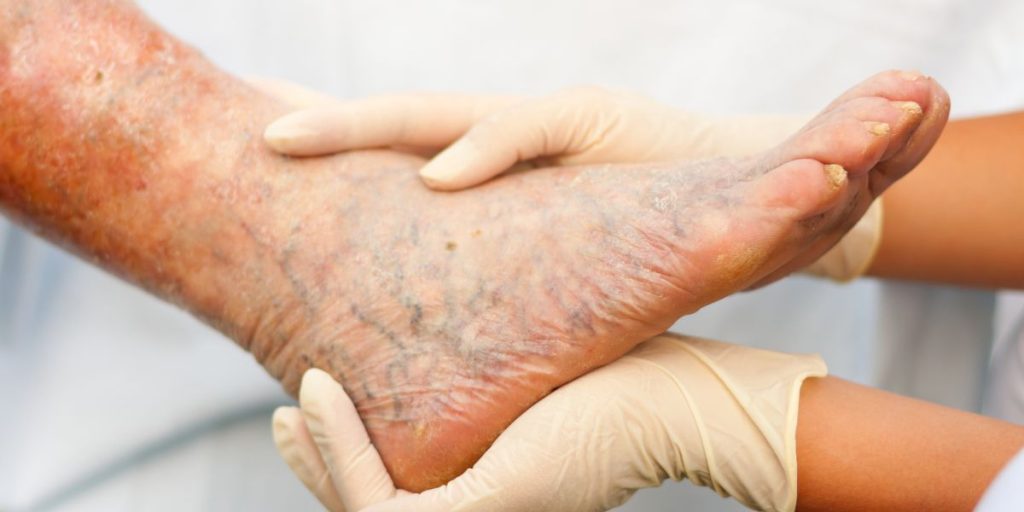
Understanding The Stages Of Varicose Vein
The Varicose vein is a severe growing across the world. The problem is usually seen in the lower limb and can affect daily life. Due to the surface of the vessels becoming thin, the walls cannot withstand the pressure of blood flow and become swollen. The primary stages of varicose veins might not be a concern. But as their severity increases, abnormalities start appearing.
Therefore, it is important to treat varicose veins by understanding the right stage. We will have a keen view of the different stages of varicose veins and how they will affect your lifestyle.
7 Different Stages Of Varicose Veins
Stage 1: Weakening Of Valves
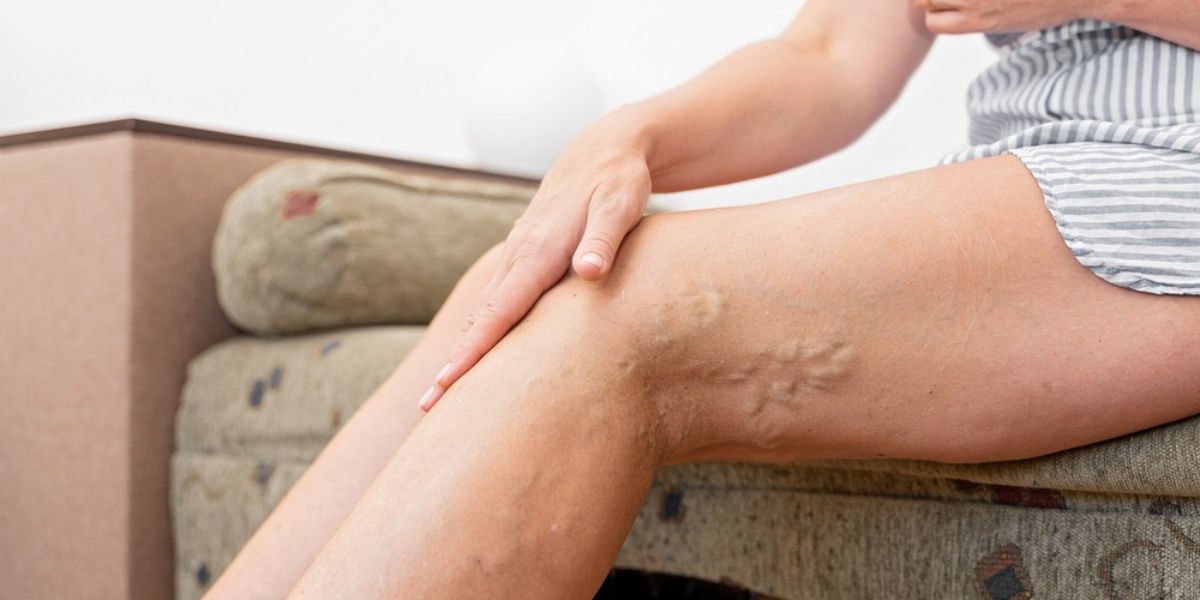
The beginning stages of varicose veins does not appear physically or have symptoms. Therefore, it is difficult to detect the initial stage. In the first stage of varicose veins, the valves of the vessels become clogged, and blood flow starts to be impeded.
There is no primary swelling, but it can include indirect symptoms like itching, burning, or mild leg pain. With time, one can feel fatigue in the leg and pulsation in different parts of the lower limb. It is one of the prominent signs that you are suffering from the first stage of varicose veins.
Stage 2: Spider-Like Veins
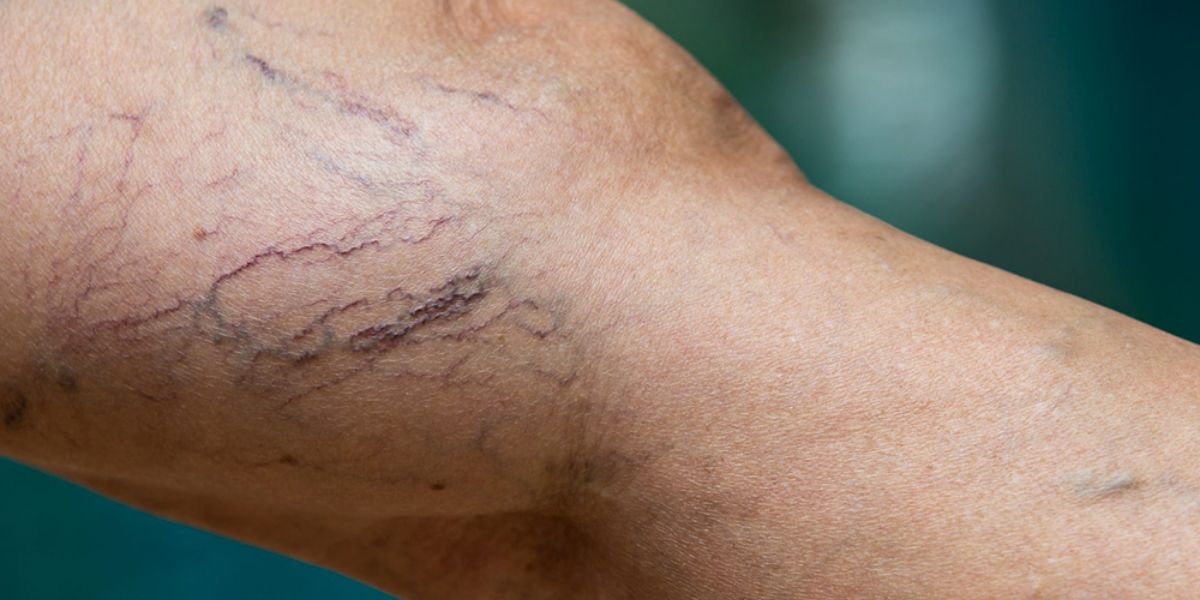
The second is also known as the morphological phase, when the physical signs of varicose veins start to appear. Due to high blood pressure and low oxygen supply, the blood vessels appear bluish-purple with mild pain in the legs.
In the latter half of the second stage, one can see crawly or spider-like veins popping out of the skin. However, no potential swelling or pain is claimed at this stage. However, general symptoms like burning, itching, and fatigue are seen in some of the patients.
Stage 3: Swollen Veins(Varicosities)
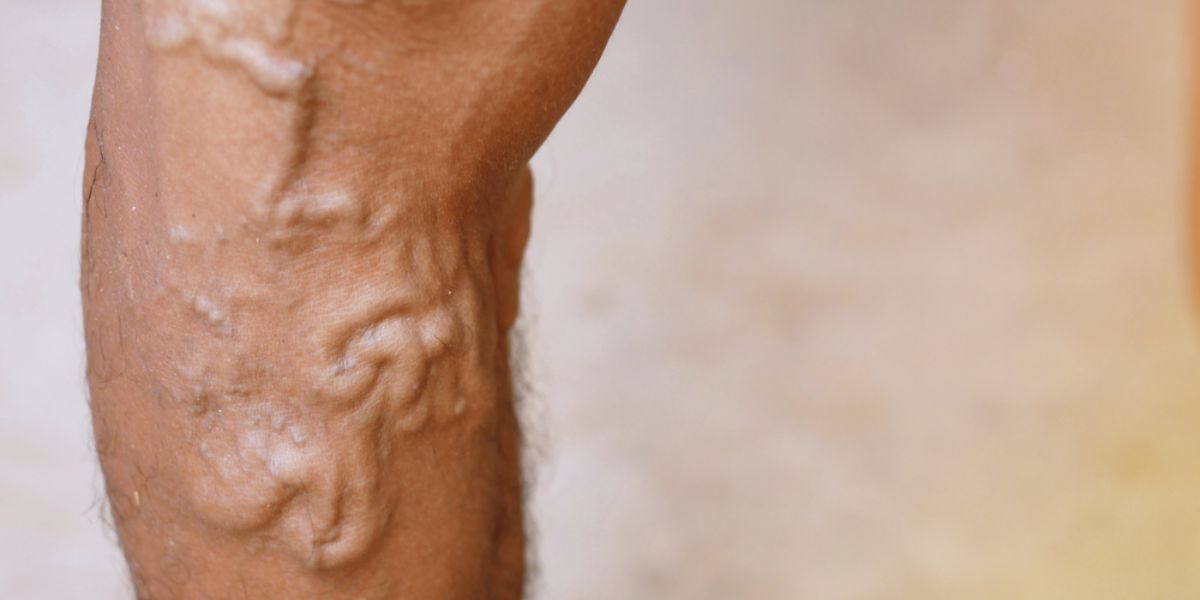
It appears at the end of the fourth week. Primary swelling appears in the third stage. The initial swelling stage is painless and has no critical impacts. But with time, the swelling might cause pain, skin discolouration, burning, and itching around the veins.
If not treated in this stage, it can have severe effects, leading to loss of sensation and terrible pain. Moreover, according to specialized varicose doctors, the third stage is very sensitive and can show potential effects in contact with fabrics, oils, and skin creams. Therefore, it is better to consult a doctor and get treatment when symptoms appear.
Stage 4: Edema
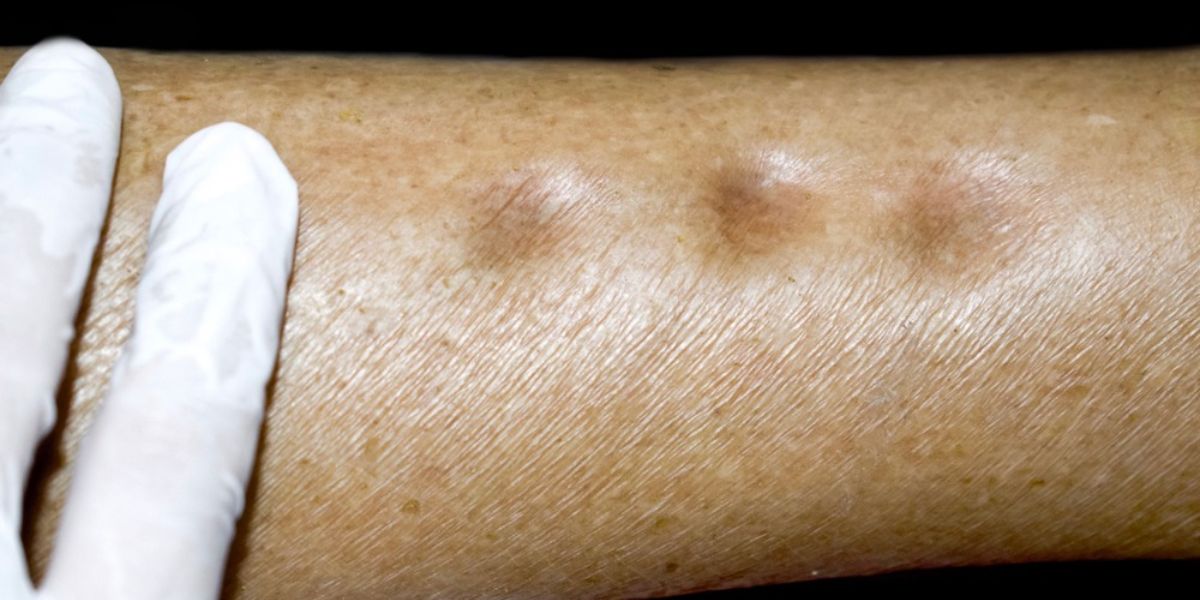
If not treated during the third stage, the severity of varicosities will increase, and more disturbing signs will appear. In the final period of the third stage, or during the initial phase of the fourth stage, enlarged veins and edemas in lower limbs become prominent.
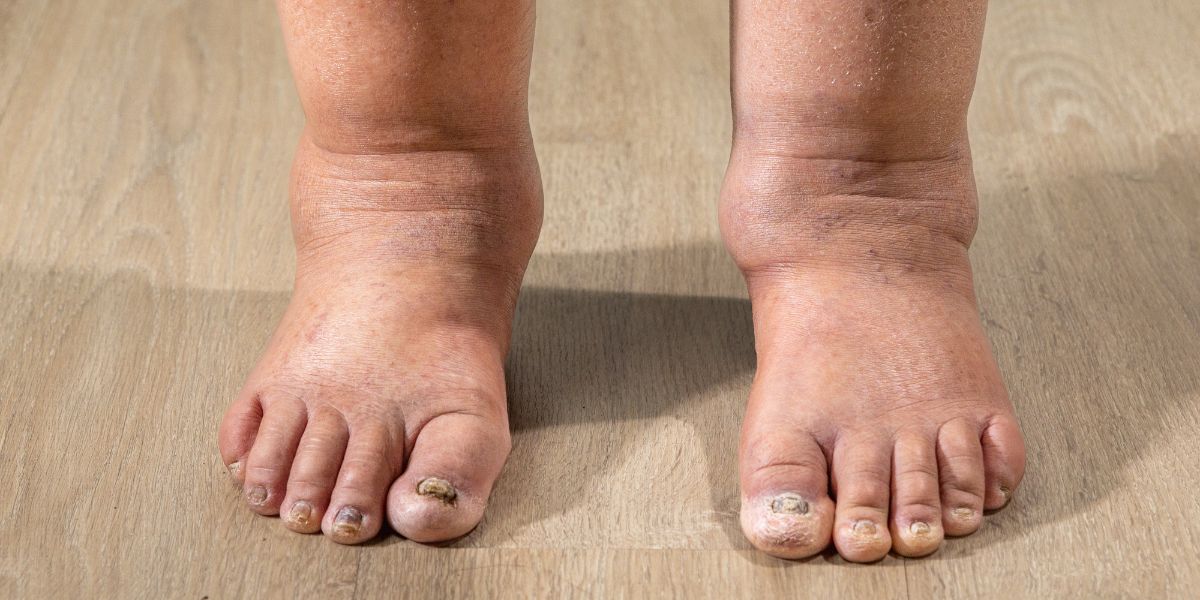
The impeded flow in vessels leads to edemas, bubble-like wraps filled with lymph-like fluid. Furthermore, due to the obstruction of the general path, fluid accumulates in lower parts like the ankle. Hence, most of the patients experience ankle swelling in this stage.
Stage 5: Ankle Changes
In the final phases of the fourth stage, we saw swelling near the ankle. These changes become prominent in the fifth stage. Patients’ ankles will be filled with spider veins, and significant swelling can be seen in the ankles. Edemas can appear due to prolonged standing, which is painful and can cause leg fatigue.
The emerging blue veins around the ankles symbolize the severity of the fifth stage and can cause problematic situations like venous eczema if not treated immediately. A group of ulcers can grow around the spider veins in the ankle, producing a severe itching and burning feeling.
Stage 6: Skin Changes
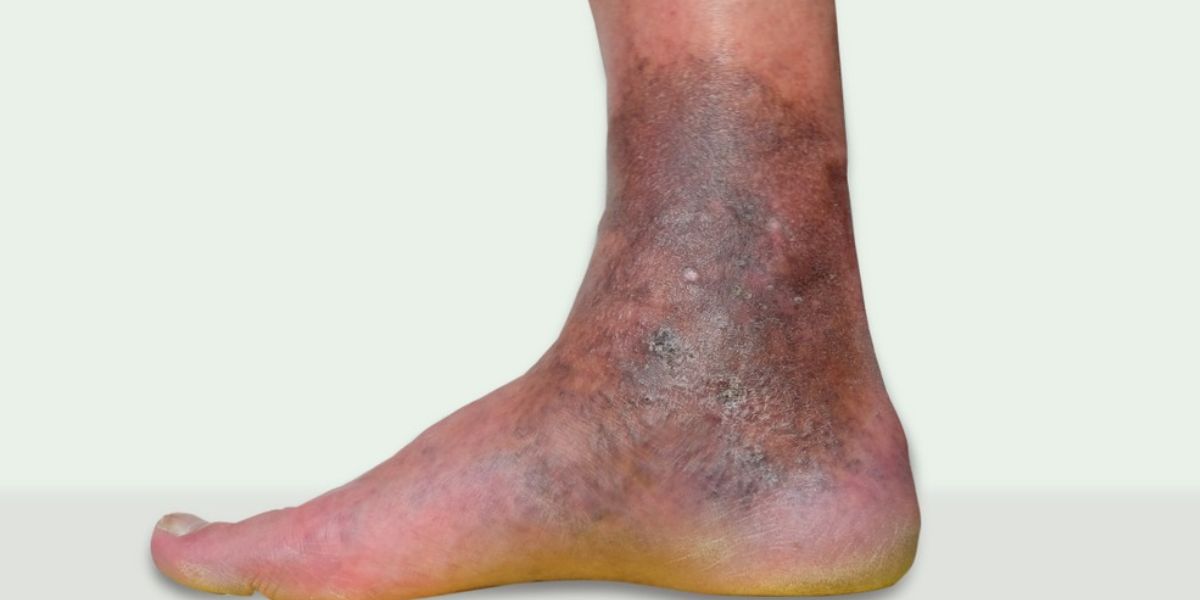
Skin changes are unexpected in many cases, however, in some recent cases, it is reported as one of the common symptoms of the sixth stage. In this phase, the skin or affected areas of the lower limbs undergo discoloration initially and can turn yellow in the latter half. According to varicose doctors, these changes are due to abnormal flow of blood in the vessels and high affinity of carbon dioxide in the veins.
The density of coloration indicates the severity of swelling. Skin changes prominently help the varicose vein doctor detect operative areas and areas having maximum swelling.
Stage 7: Ulcers
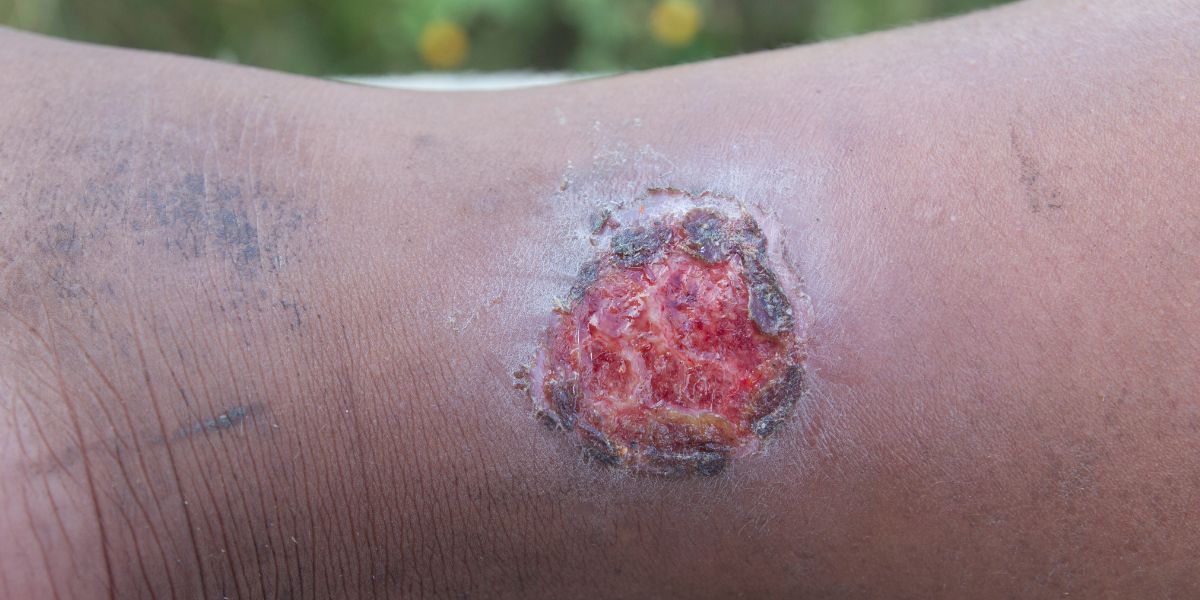
Appearance of ulcers is counted as the last stage of varicose veins. It is the most advanced stage, which causes painful swellings in different areas of veins. Patients in this stage suffer from predominant symptoms like lymphatic ulcers, grooved veins, painful cramps, and slow healing. Operation is the last way to treat such a condition.
Summarizing The Stages Of Varicose Veins
Varicose veins development typically takes place in different stages. The below table shows the first stage of varicose veins to last stage of varicose veins in detail.
| Stages | Symptoms |
|---|---|
| Stage 1 | This stage has no symptoms. |
| Stage 2 | Spider veins or telangiectasia are the potential symptoms of the second stage. However, bulging veins are not visible. |
| Stage 3 | Minor swelling of the veins can be seen at this stage. Skin discoloration also begins in the latter half of the 3rd stage. |
| Stage 4 | This stage includes some severe skin changes such as lipodermatosclerosis. |
| Stage 5 | Discomfort in walking and fatigue. Ulcers become even more painful in this stage. |
| Stage 6 | Discomfort in walking and fatigue. Ulcers become even more painful in this stage. |
| Stage 7 | Advanced ulcers with significant skin changes and severe discomfort. |
Treatment For All Stages Of Varicose Veins
Understanding the varicose veins stages and plan for an early treatment is necessary to ensure safety. Experienced doctors must treat varicose veins as they can help you with the right advice, accurate treatment, and timely healing.
At Advanced Medical Group, we provide expert treatment of varicose veins with latest proven techniques and ensure you recover on time.