Limb-Threatening Ischemia

Save the limb — act this week

Severe pain at rest, non-healing ulcers, blackened tissue. CLTI is a medical emergency for the leg — and we treat it the same week, often the same day.

Limb-Threatening Ischemia care at Advanced Medical Group
Overview

What CLTI is — and why time matters

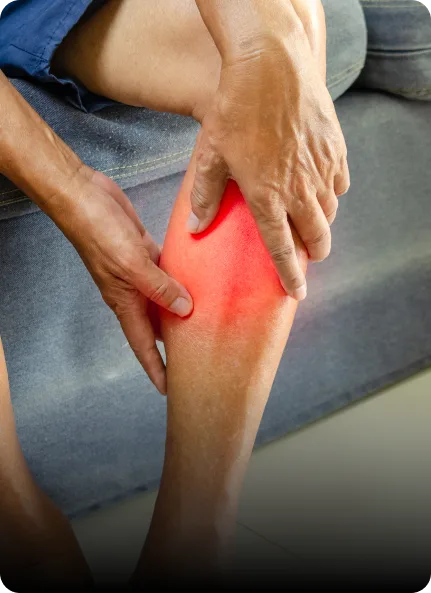
Chronic Limb-Threatening Ischemia (CLTI) is the most severe stage of peripheral artery disease — when blood flow drops so low that tissue starts dying. The give-away signs are constant pain at rest (especially at night, often relieved by hanging the foot off the bed), non-healing ulcers, and black or gangrenous patches on toes or heels.

CLTI is genuinely a race against time: every week of delay raises the chance of amputation. The standard of care today is urgent revascularization — opening the blocked arteries with angioplasty, stents, atherectomy or surgical bypass — combined with infection control and aggressive wound care. With early treatment, the limb-salvage rate exceeds 90%.

Book a Consulting →

Minimally invasive, in-office diagnostics and procedures — no hospital stay.

Care led by a board-certified interventional cardiologist, not a generalist.

Endocrinology, vascular and wound care under one roof — one plan, not five referrals.

Same-week new-patient appointments across five Hudson County locations.

Insurance verified before your visit — no billing surprises.

Our Team

Specialists who treat this condition

A small, senior team — board-certified cardiology, vascular, podiatry and endocrinology — sharing one chart and one plan.

Meet all providers →
Why Choose Us

Why patients choose Advanced Medical Group

Coordinated, specialist-led vascular care — in five Hudson County locations, close to home.

Specialist-led care
In-office OBL
Same-week appointments
Coordinated care team
Minimally invasive
Insurance concierge
Know the Signs

Symptoms & risk factors

If two or more of these apply to you, a baseline vascular evaluation is one of the highest-yield prevention steps you can take.

Symptoms to watch for

Listen to your body

  • Constant foot or leg pain at rest, especially at night
  • Pain that eases when the leg hangs off the bed
  • A non-healing ulcer on the foot, toe or heel
  • Black, blue or dusky skin on toes or heel
  • Foul-smelling drainage or visibly dying tissue
  • Loss of leg hair, shiny tight skin, or thickened nails
  • Sudden cold, painful, pale leg (emergency — call 911)
Risk factors

Conditions that raise your odds

  • Long-standing PAD that has progressed
  • Diabetes with neuropathy or chronic ulcer
  • Smoking — current or recent
  • Chronic kidney disease or dialysis
  • Age 70+
  • Prior bypass surgery or amputation in the family
  • Severe heart or coronary artery disease
Treatment Process

From first visit to long-term protection

A predictable four-step path — no guesswork, no months of waiting between appointments.

  1. Step 01

    Evaluation & Imaging

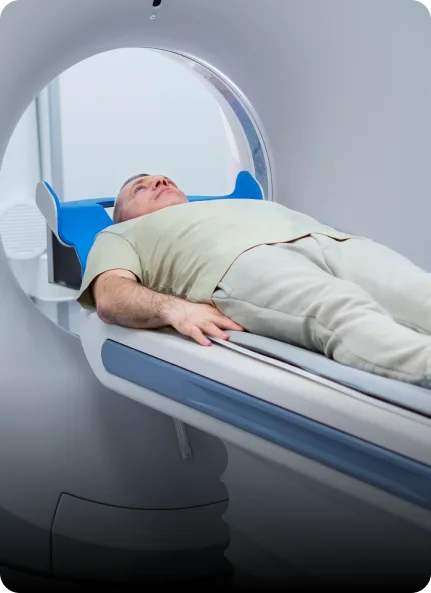
    Vascular exam, ABI and on-site imaging — usually completed in one visit.

  2. Step 02

    Personalized Care Plan

    A coordinated written plan tailored to your anatomy and goals.

  3. Step 03

    In-Office Procedure

    Minimally invasive treatment in our OBL, under local anesthesia.

  4. Step 04

    Follow-Up & Prevention

    Structured follow-ups, surveillance imaging and risk-factor coaching.

FAQ

Common questions

Real, specific answers from our team. If your question is not here, our front desk can usually answer it in a 5-minute phone call.

How fast do I need to be seen?

CLTI is an urgent condition. New rest pain or a non-healing ulcer with PAD should be evaluated within a week — sooner if there is active infection or tissue loss. We hold same-week and same-day urgent slots.

Will I lose my leg?

With timely revascularization plus modern wound and infection care, limb salvage exceeds 90%. Delay is the single biggest enemy.

Is it always major surgery?

No. Most CLTI today is treated through a tiny catheter — angioplasty, stents and atherectomy — in our office under local anesthesia. Open bypass is reserved for the few cases that need it, and we coordinate that referral.

What if the artery is too small to fix?

Below-the-knee arteries can be challenging, but modern small-vessel devices and pedal-loop techniques succeed in the great majority of cases. We do these every week.

Will the artery stay open?

Many do for years. Some need re-intervention. We do scheduled ultrasound surveillance at 1, 6 and 12 months and act early on any narrowing before it becomes a problem.

Is this covered by insurance?

Yes — Medicare and all commercial plans cover urgent vascular evaluation and treatment of CLTI. Our concierge can verify in hours, not days.

Testimonials

Stories from patients we have treated

Names changed where requested. Every quote below comes from a patient seen at one of our Hudson County locations.

★★★★★

“I was told I’d lose the toe within a month. Three weeks after the angioplasty it was healing. I still have all ten.”

Frank D. North Bergen
★★★★★

“They saw me within 48 hours. No waiting list, no delays, no excuses. That speed saved my foot.”

Esperanza V. Jersey City
★★★★★

“The pain at night was unbearable. After the procedure I slept through the first night in weeks.”

Robert J. Union City
Get Started

Time is tissue — let us see you this week

If you have rest pain or a non-healing ulcer, please don’t wait. Our urgent vascular team holds same-week and same-day slots for CLTI evaluation.

Same-week appointments · Five Hudson County locations · Medicare & most commercial plans accepted

Advanced Medical Group
Privacy Overview

This website uses cookies so that we can provide you with the best user experience possible. Cookie information is stored in your browser and performs functions such as recognising you when you return to our website and helping our team to understand which sections of the website you find most interesting and useful.